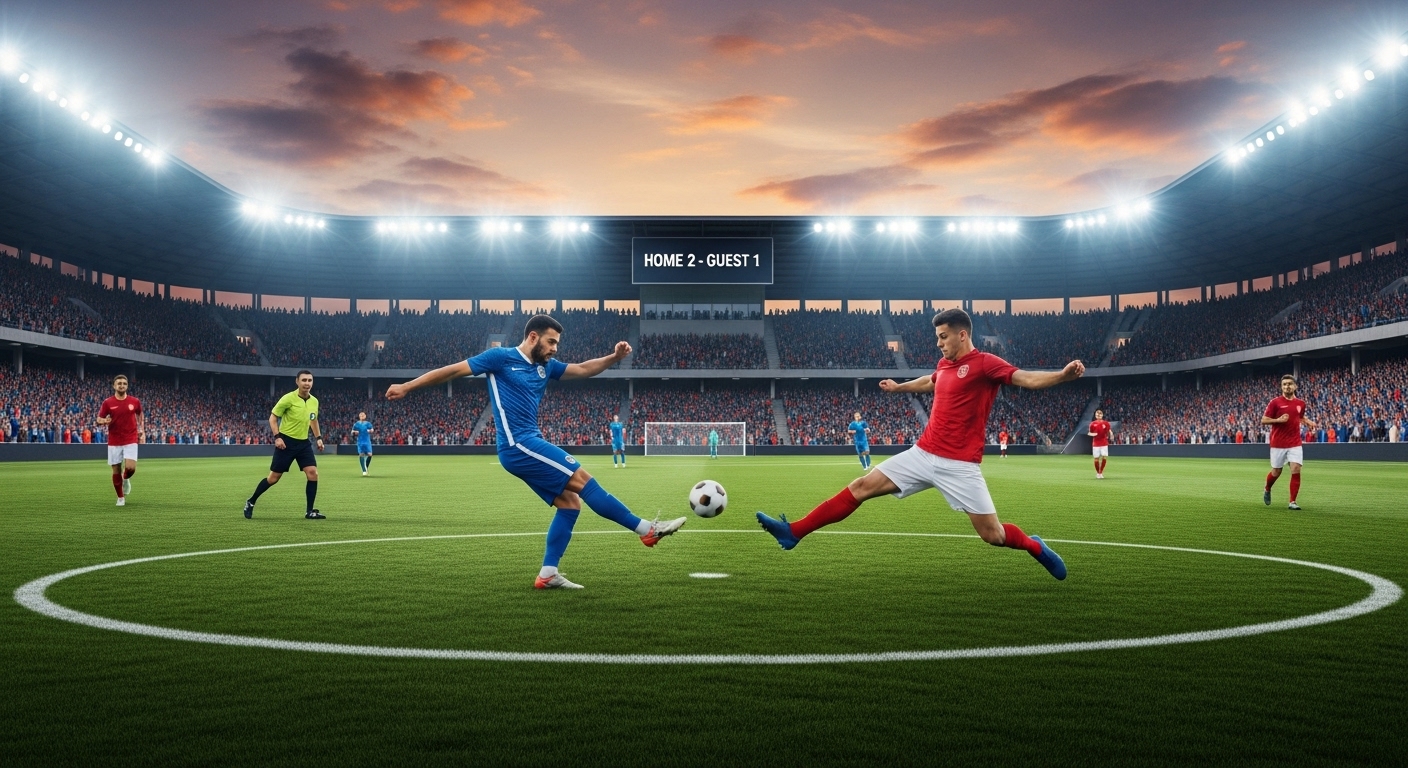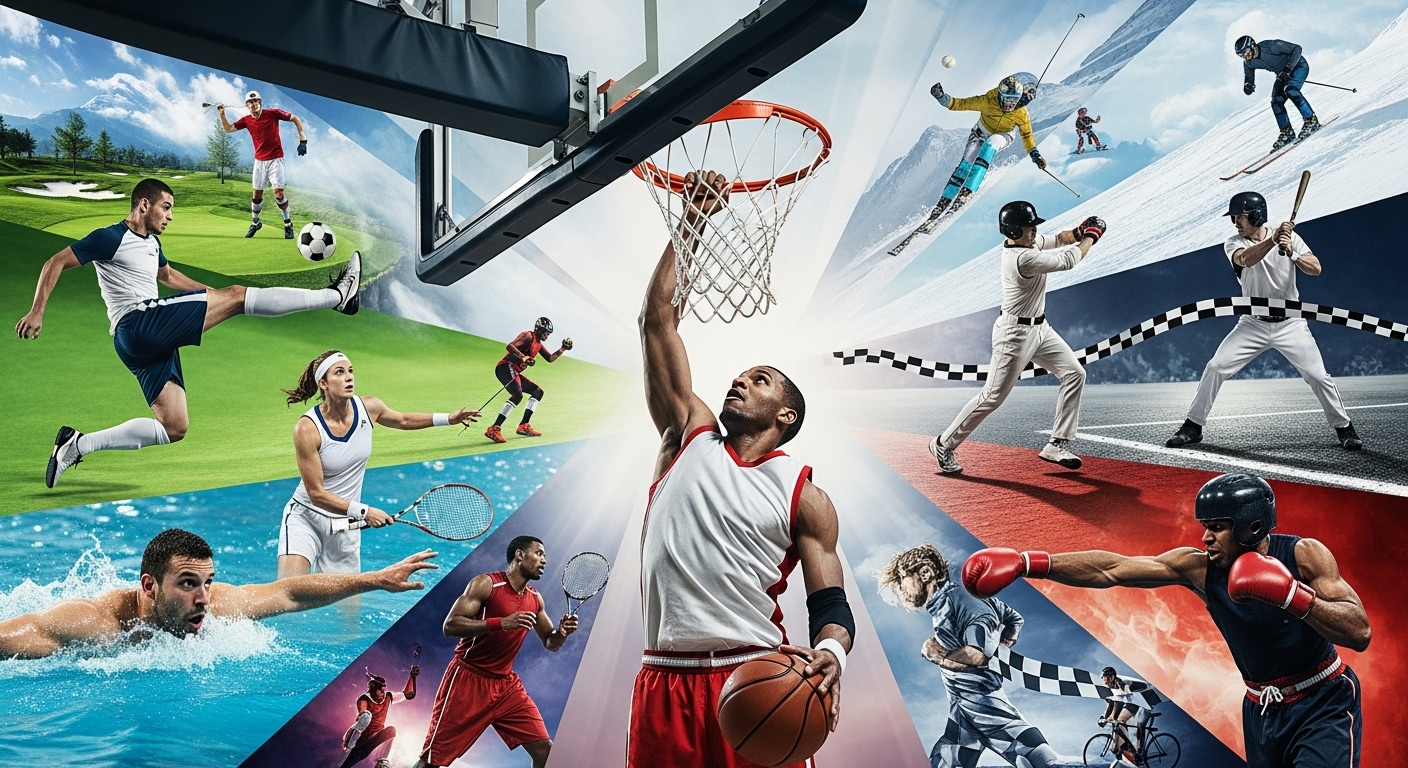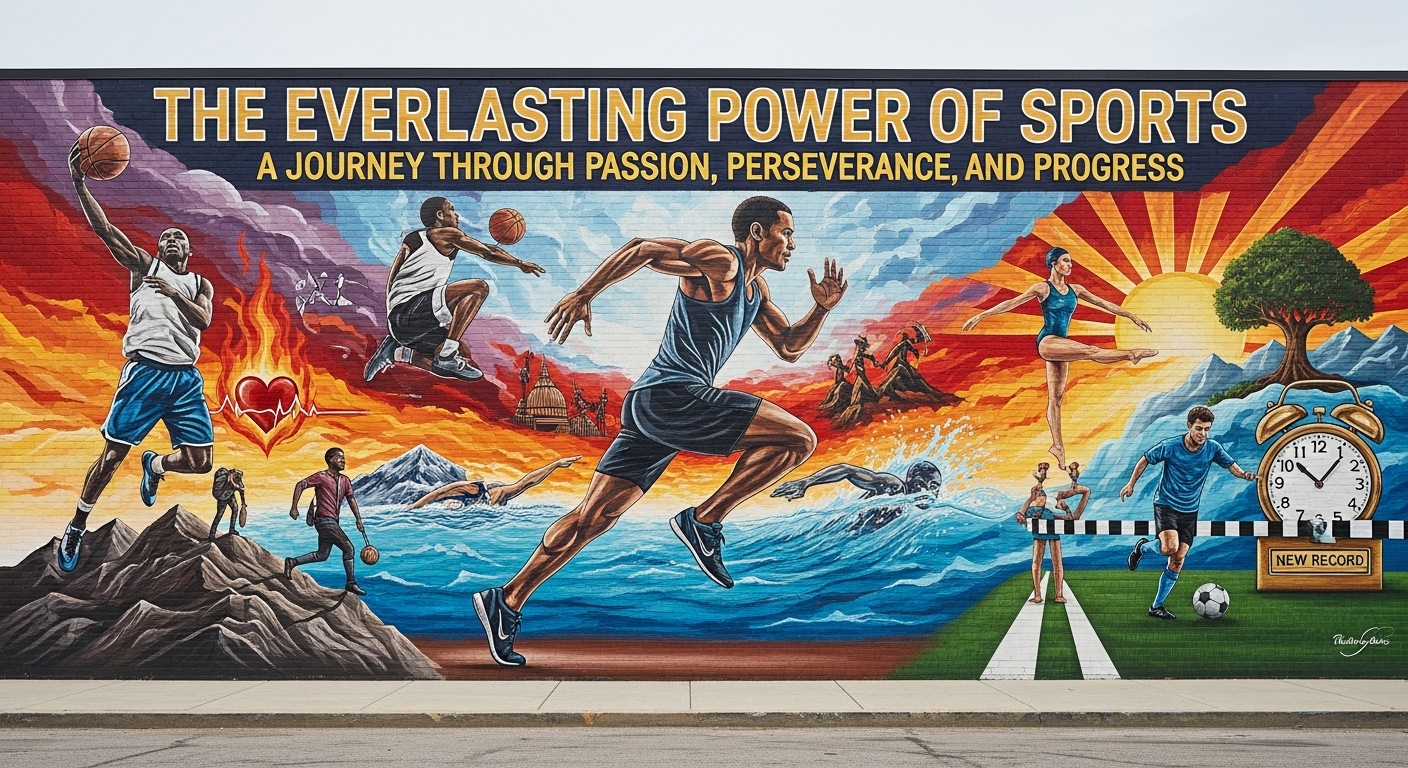
Sports are not merely games played for enjoyment or competition; they are a vital part of human life that spans across generations, cultures, and continents. From the bustling streets of Rio de Janeiro to the quiet countryside in Africa, sports are a universal language. The excitement of a football match, the tension of a basketball final, or the calm focus required in a marathon are experiences that connect people from all walks of life. The power of sports lies in its ability to bring people together, shape individuals, and transform communities. This blog post explores the deep impact of sports, not just in terms of physical benefits but also their profound effects on mental health, social cohesion, and personal development.
The Global Unifying Force of Sports
Sports possess an unparalleled ability to unite individuals and nations. Unlike language or politics, sports transcend cultural and societal differences, allowing people to connect and bond over shared passions. The global appeal of major sporting events like the FIFA World Cup, the Olympics, and the Super Bowl is a testament to the unifying power of sports. These events bring together millions of fans from across the globe, creating a collective experience that is both personal and universal.
One of the most powerful examples of sports’ unifying power is the FIFA World Cup. Held every four years, it brings nations together to compete for the coveted trophy, but more importantly, it creates an atmosphere of camaraderie, where people from all over the world share in the celebration of athletic excellence. The moment when the final whistle blows, and the winning team lifts the trophy, is a shared memory for fans everywhere, regardless of nationality. These moments remind us that, despite our differences, we are all united by a common love for the game.
Beyond global tournaments, sports also serve as a bridge within countries. For example, in divided societies, sports can provide a neutral ground for people to come together. In places where tensions run high, such as post-apartheid South Africa, sports have played a key role in reconciliation and nation-building. Nelson Mandela understood the unifying power of sport when he used rugby as a tool to foster national unity after the fall of apartheid. The 1995 Rugby World Cup, where South Africa triumphed, became a symbol of hope, pride, and reconciliation for a nation that was deeply divided. This example shows how sports can be an instrument of social change and healing.
The Physical Health Benefits of Sports
Engaging in sports is undoubtedly one of the best ways to maintain physical health. Regular physical activity, especially through sports, helps prevent numerous health issues such as heart disease, diabetes, obesity, and hypertension. Sports provide individuals with a structured way to exercise while also offering the added benefit of enjoyment and competition. Whether it’s a casual jog, a tennis match, or a competitive game of basketball, participating in sports helps improve cardiovascular health, boost metabolism, and enhance overall fitness.
For athletes, the benefits of physical activity go beyond just health. Training for a specific sport increases muscle strength, coordination, flexibility, and endurance. For example, long-distance runners develop strong cardiovascular systems and the ability to endure extreme physical fatigue. Swimmers, on the other hand, benefit from increased flexibility and core strength. Each sport demands different physical skills and offers unique challenges to the body, making it a comprehensive form of exercise that can target various aspects of physical health.
Even for those who aren’t professional athletes, sports can be an enjoyable way to stay fit. Recreational activities like playing soccer with friends, going for a bike ride, or participating in a weekend tennis match all contribute to staying active and healthy. Importantly, sports can be tailored to suit people of all ages and abilities, from children to seniors. Programs for youth sports emphasize not only physical health but also instill values like teamwork and discipline. For older adults, sports like walking, swimming, or tennis can maintain mobility and flexibility, helping them stay active and independent as they age.
Mental Health and Well-Being Through Sports
While the physical benefits of sports are well-known, the impact of sports on mental health is equally profound. The mind-body connection that comes with physical activity has long been recognized by experts in psychology and sports medicine. Regular engagement in sports has been shown to reduce stress, anxiety, and symptoms of depression. The act of participating in a sport triggers the release of endorphins, the body’s natural mood boosters, which help alleviate negative emotions and promote a sense of well-being.
Sports also provide individuals with an outlet to express their emotions, especially in a controlled and focused environment. For athletes, the discipline required to train and compete can provide structure and purpose, leading to improved mental clarity and focus. Many professional athletes, such as tennis star Serena Williams and basketball legend Michael Jordan, have spoken about how sports helped them navigate difficult periods in their lives. For example, Williams has discussed how tennis served as a coping mechanism during personal struggles, offering her both a sense of purpose and an escape from stress.
The mental health benefits of sports are not limited to professional athletes. For individuals of all ages, sports provide a way to stay mentally sharp and manage stress. A study published by the Mayo Clinic found that physical activity, especially in the form of sports, can help reduce the effects of anxiety and depression. It improves mood, boosts self-esteem, and enhances cognitive function. Whether it’s the rhythm of a morning jog or the focus required during a team sport, sports encourage individuals to be present and engaged, helping them disconnect from everyday worries.
The Social Impact of Sports
Sports also have a significant social impact, especially in local communities. The sense of belonging and camaraderie fostered by sports helps individuals build relationships and connect with others. Whether through team sports, community leagues, or simply playing with friends, sports provide opportunities for social interaction that can enhance one’s social network and overall happiness.
In many communities, sports clubs and local teams are essential pillars of social cohesion. They create spaces where people from diverse backgrounds can come together with a shared goal and purpose. For children, joining a local sports team can help develop important social skills such as communication, teamwork, and leadership. It also helps children build friendships and learn how to interact with peers in a positive and supportive environment.
For adults, sports offer a chance to stay connected with others and form lasting friendships. Many people join recreational leagues or sports clubs as a way to meet new people, especially in cities where social connections can sometimes be difficult to establish. Group activities such as weekend soccer games, basketball pick-up games, or running clubs provide not only physical exercise but also an avenue for social interaction and support. These social bonds created through sports can lead to stronger communities, where people care about one another and work together for the common good.
Moreover, sports often help break down social and cultural barriers. In multi-ethnic or multicultural societies, sports can act as a unifying force that fosters understanding and cooperation among different groups. The shared passion for a particular sport can create friendships and bridge gaps between communities, helping individuals recognize their common humanity. A simple game of football can transcend race, religion, or economic status and become a powerful tool for social integration and unity.
The Life Lessons Taught by Sports
One of the most valuable aspects of sports is the life lessons they teach. Sports provide real-world experiences that instill important qualities such as discipline, perseverance, and resilience. Athletes, whether at the professional or amateur level, learn how to handle failure, deal with pressure, and work toward long-term goals. These lessons go far beyond the field or court; they shape the character and mindset of individuals and prepare them for life’s challenges.
Perseverance is perhaps the most significant lesson taught by sports. In every sport, athletes face setbacks, whether it’s an injury, a loss, or a failure to meet expectations. How athletes respond to these setbacks is what separates the great from the good. Sports teach us that failure is not the end, but a stepping stone toward success. The most successful athletes are often those who have learned how to persevere in the face of adversity, bounce back from failure, and continue pushing forward with determination and focus.
Sports also teach the value of teamwork and collaboration. Even in individual sports, athletes rely on coaches, trainers, and support staff to help them reach their goals. In team sports, the importance of cooperation and collective effort cannot be overstated. Athletes must learn how to work together, communicate effectively, and trust one another. These skills translate to the workplace, family life, and other areas of life where collaboration is essential for success.
The Evolution of Sports and the Role of Technology
Over the years, sports have evolved significantly, especially with the advent of technology. In the past, sports were primarily limited to in-person competitions, but today, they are accessible to a global audience via television, streaming platforms, and social media. The rise of digital media has made it possible for fans to follow their favorite teams and athletes no matter where they are in the world, breaking down geographic barriers and creating a truly global fanbase.
In addition to fan engagement, technology has revolutionized the way sports are played and analyzed. The introduction of tools such as wearable devices, video analysis, and artificial intelligence has transformed training and performance analysis. Athletes can now track their movements, monitor their health metrics, and receive real-time feedback, allowing them to improve their skills and optimize their performance.
Moreover, the use of technology has enhanced the fan experience. Innovations such as virtual reality and augmented reality allow fans to immerse themselves in the action, viewing games from different angles or experiencing the event from the perspective of their favorite players. These technological advancements are making sports more interactive and engaging, bringing fans closer to the action than ever before.