Introduction: The Allure and Power of Sports
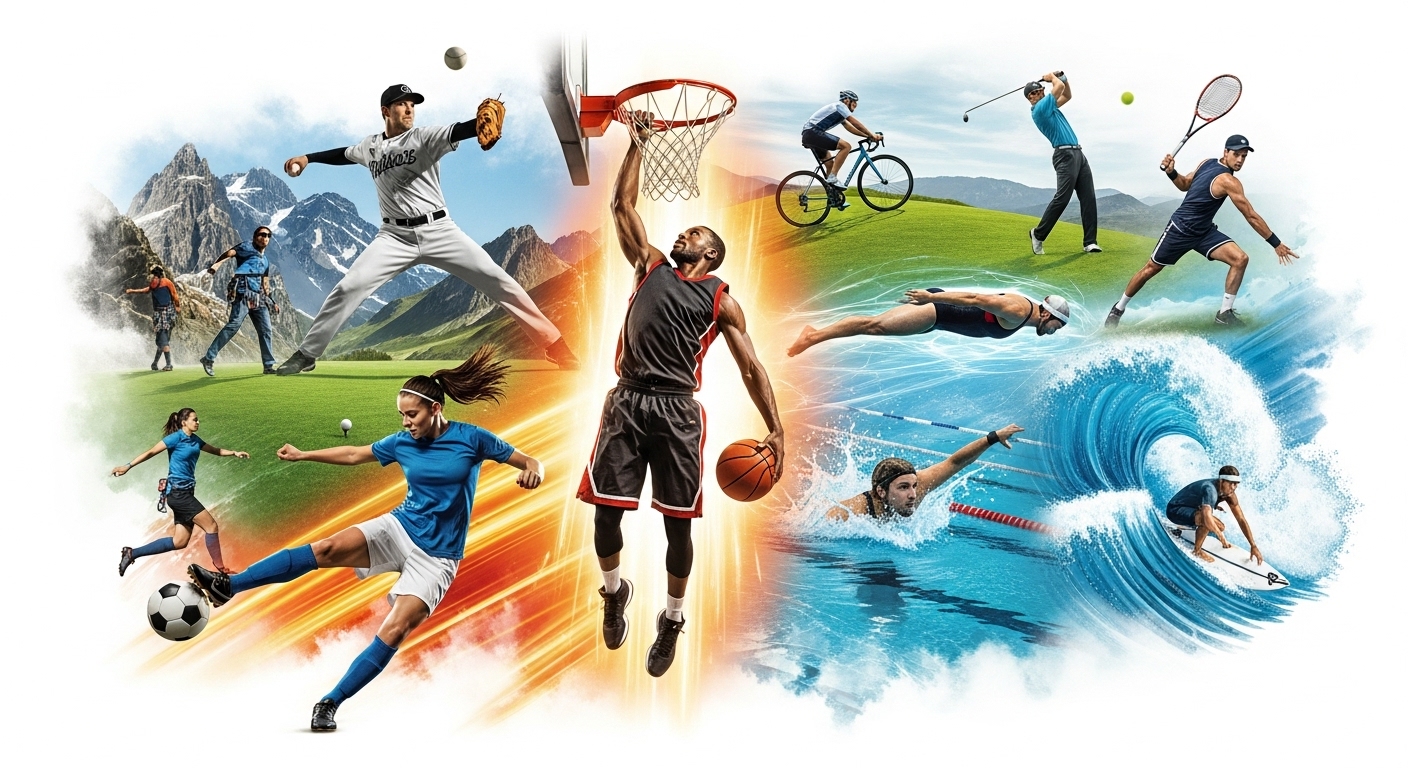
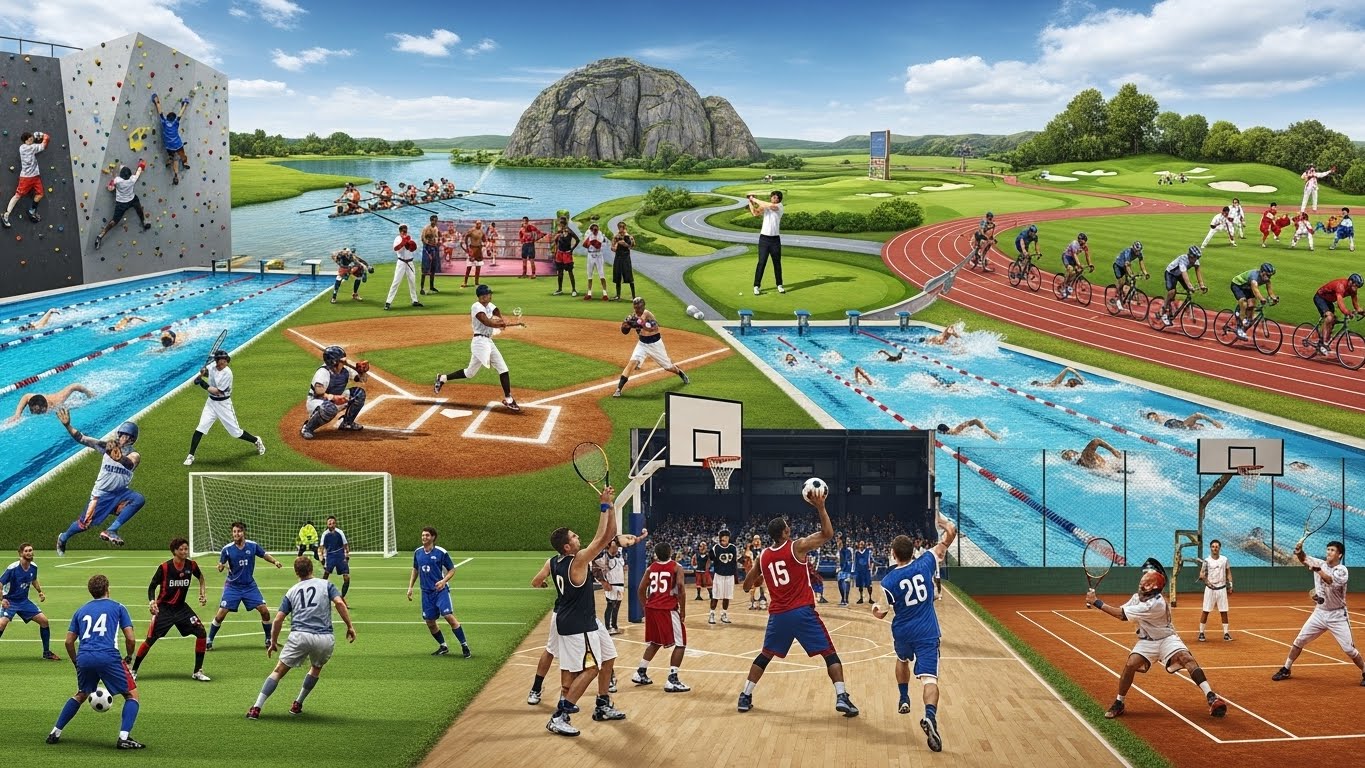
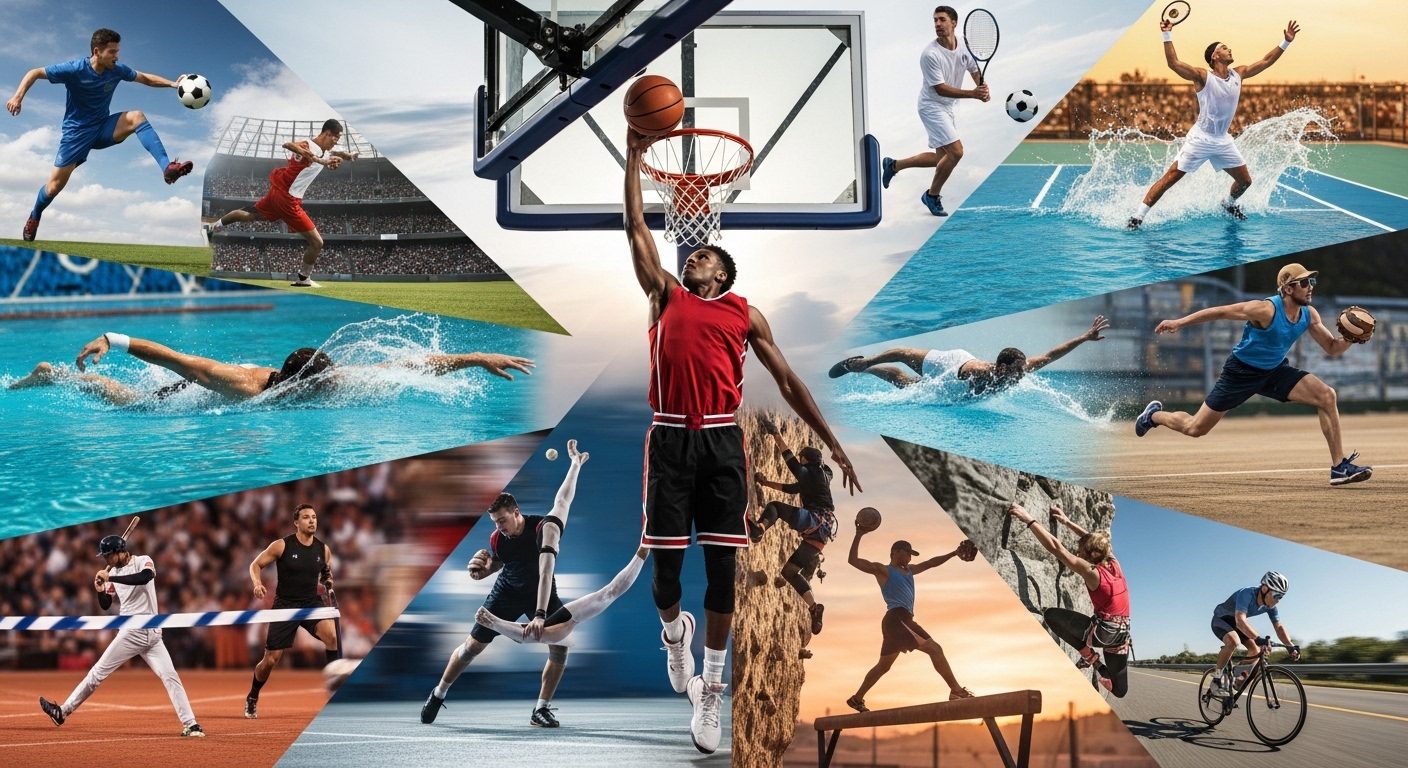
Sports have always been an intrinsic part of human culture. From ancient civilizations to today, they serve not only as a form of entertainment but also as a powerful influence on society. The world of sports is vast, encompassing everything from individual endeavors like tennis to team competitions such as soccer. But no matter the sport, it brings people together, unites communities, and shapes cultures. The power of sports is undeniable—it can influence lives, inspire greatness, and even bring about change. This post explores the significance of sports, not just as a pastime but as a vital force in our personal and societal development.
The Physical Benefits of Sports
At its core, sports are an expression of physical activity and movement. Engaging in sports helps to improve overall health by increasing cardiovascular fitness, enhancing muscle strength, and improving flexibility. Whether it’s running, cycling, swimming, or playing soccer, sports encourage the body to work at its optimal level. Regular participation helps in maintaining a healthy weight, reducing the risk of chronic illnesses such as diabetes, hypertension, and heart disease.
Beyond these general health benefits, sports also improve coordination, motor skills, and body awareness. Playing a sport requires quick thinking and reaction time, skills that improve with practice. For children and teenagers, these physical activities foster healthy development, while adults benefit from increased stamina and energy levels. As we age, sports continue to play a crucial role in maintaining muscle mass, joint mobility, and balance, which can prevent falls and fractures in older adults.
The Psychological and Emotional Impact of Sports
While the physical benefits of sports are widely known, their psychological and emotional impacts are equally significant. Physical exercise has been shown to release endorphins, the body’s natural “feel-good” chemicals. This release improves mood, reduces anxiety, and can even alleviate symptoms of depression. Engaging in regular physical activity through sports can help people cope with stress and manage the pressures of daily life.
For individuals who are competitive by nature, sports provide an outlet for channeling energy and ambition. The pursuit of excellence, the thrill of competition, and the satisfaction of achieving personal or team goals foster a sense of accomplishment. The mental focus required to play a sport also teaches resilience—athletes learn to manage setbacks, cope with failure, and bounce back stronger. These psychological benefits often extend beyond the playing field, helping individuals navigate life’s challenges with more confidence and composure.
Sports and Social Connectivity
One of the most profound aspects of sports is their ability to bring people together. Regardless of background, nationality, or language, sports provide a universal platform for human connection. Whether it’s through playing on a local team, watching a match with friends and family, or cheering on a national team in the World Cup, sports create a sense of belonging and unity.
On a global scale, major sporting events like the Olympic Games or the FIFA World Cup unite millions of fans from around the world. These events provide an opportunity for cultural exchange, as fans from different nations and backgrounds come together to celebrate their shared love of the sport. On a local level, youth leagues and community sports programs foster teamwork, cooperation, and camaraderie, encouraging social interactions that might not otherwise happen.
Sports also have the power to bring awareness to important social issues. Athletes like Muhammad Ali, Jackie Robinson, and Billie Jean King used their platform in the world of sports to challenge the status quo, fight for civil rights, and push for gender equality. The influence of sports extends far beyond the game, encouraging discussions and inspiring action on topics such as racial equality, LGBTQ+ rights, and environmental sustainability.
The Cultural Influence of Sports
Sports are often deeply intertwined with culture and identity. National pride is often displayed through support for local teams or national athletes. From the moment an athlete takes the stage at the Olympics or steps onto the pitch for the World Cup, they represent more than just themselves—they embody the hopes and aspirations of their countries. The passion and fervor that fans invest in their teams create a cultural connection that lasts for generations.
In many ways, sports reflect societal values and trends. They are not just competitions, but an expression of a society’s character. For instance, the rise of women’s sports over the past few decades reflects broader changes in gender roles and equality in society. The increasing popularity of esports and gaming tournaments signals a shift in how we define “athletics” and competition. Each sport, from cricket to basketball to gymnastics, carries its own unique traditions, rituals, and symbols that resonate deeply within the cultures that cherish them.
Moreover, the influence of sports extends into entertainment, fashion, and media. The global reach of sports has given rise to new forms of entertainment, such as sports documentaries, biopics, and reality shows about athletes. Popular athletes also set trends in fashion, with brands partnering with them to create signature lines of clothing, shoes, and accessories. In this way, sports shape popular culture and influence the way people express themselves.
The Role of Sports in Economic Development
Beyond the personal and cultural impact of sports, they also have a significant economic influence. The sports industry is one of the largest sectors globally, contributing billions of dollars each year through sponsorships, media rights, ticket sales, merchandise, and more. Hosting major sporting events like the Super Bowl, the Olympics, or the World Cup can provide a substantial economic boost to host cities and countries.
Sports-related infrastructure—such as stadiums, arenas, and training facilities—create jobs and stimulate local economies. Beyond the direct financial impact, sports also generate revenue in sectors like hospitality, tourism, and advertising. Fans travel from across the globe to attend international tournaments, spending money on hotels, food, transportation, and other services. Additionally, the visibility provided by major sports events often leads to long-term economic benefits by raising a city or country’s profile on the global stage.
Moreover, sports play a pivotal role in developing industries like sports marketing, broadcasting, and digital platforms. Media networks have turned sports into a global entertainment powerhouse, bringing sports content into millions of homes worldwide. Streaming platforms and digital apps have made it easier than ever for fans to engage with their favorite sports, further boosting the economic value of the industry.
Youth Sports and Development
Youth sports programs are an essential element in nurturing the next generation of athletes. Participation in youth sports is not just about developing athletic ability; it also plays a crucial role in shaping personal character and life skills. Kids who play sports learn how to collaborate with others, communicate effectively, and solve problems under pressure. They also develop critical life skills such as time management, leadership, and conflict resolution.
On top of these benefits, youth sports provide an important outlet for physical activity, helping children develop healthy habits that can last a lifetime. Regular participation in sports reduces the risk of childhood obesity, promotes strong bones and muscles, and enhances mental focus. For young people in underprivileged communities, sports can provide a sense of structure and purpose, as well as a path out of crime and violence.
In many cases, youth sports also serve as a stepping stone to college scholarships or professional careers. Athletes who excel in their chosen sports can receive educational opportunities that may not have been available otherwise. The success stories of athletes like Serena Williams, LeBron James, and Lionel Messi, who came from humble beginnings, serve as inspiration for millions of young people around the world.
Gender Equality and Women in Sports
While sports have historically been dominated by men, the landscape has changed dramatically in recent decades. Women in sports are increasingly gaining the recognition and respect they deserve, both in terms of their athletic ability and their social influence. Female athletes are no longer confined to niche sports; they are making waves in everything from soccer and basketball to tennis and Formula 1.
The rise of women’s sports is not just a triumph for female athletes, but also a reflection of broader societal changes toward gender equality. Women like Billie Jean King, who fought for equal pay in tennis, and the U.S. women’s national soccer team, which has advocated for equal pay and recognition, have brought much-needed attention to the disparity between men’s and women’s sports.
Moreover, the increasing visibility of female athletes has helped challenge outdated stereotypes about women’s physical capabilities. As women continue to break records and achieve success in traditionally male-dominated sports, they serve as powerful role models for young girls, showing them that they too can dream big and achieve greatness.
The Future of Sports
As we look to the future, the world of sports will continue to evolve, fueled by technological advancements and changing cultural attitudes. Innovations like virtual reality (VR), augmented reality (AR), and AI are set to transform how we watch, play, and interact with sports. For instance, VR could allow fans to experience live events from the comfort of their homes, providing a more immersive and engaging viewing experience.
The rise of esports and competitive gaming also signals a shift in how we define “sport” in the 21st century. As esports gain popularity, they offer a new form of athletic competition that relies on mental agility, strategy, and hand-eye coordination, challenging traditional views of what it means to be an athlete.
Additionally, there is an increasing focus on sustainability in sports, with many organizations and events seeking to reduce their environmental impact. From reducing carbon emissions in stadiums to using eco-friendly materials in sports gear, sustainability is becoming a key consideration for the future of sports.
Conclusion: The Everlasting Impact of Sports
Sports will always be more than just games. They are a mirror of society—reflecting our values, our struggles, and our achievements. They serve as a catalyst for personal growth, social change, and economic development. Whether you are a player, a fan, or a coach, sports have the power to shape lives, communities, and cultures in ways that few other things can.