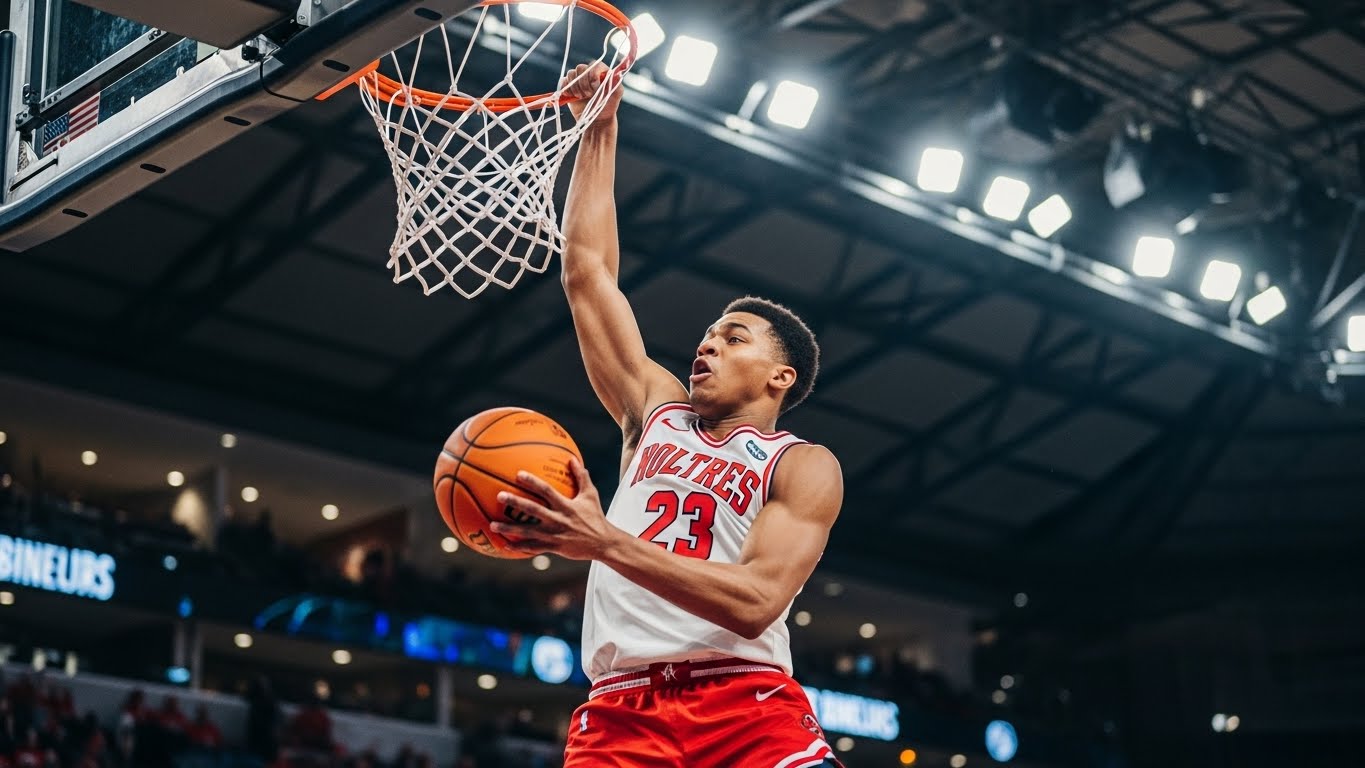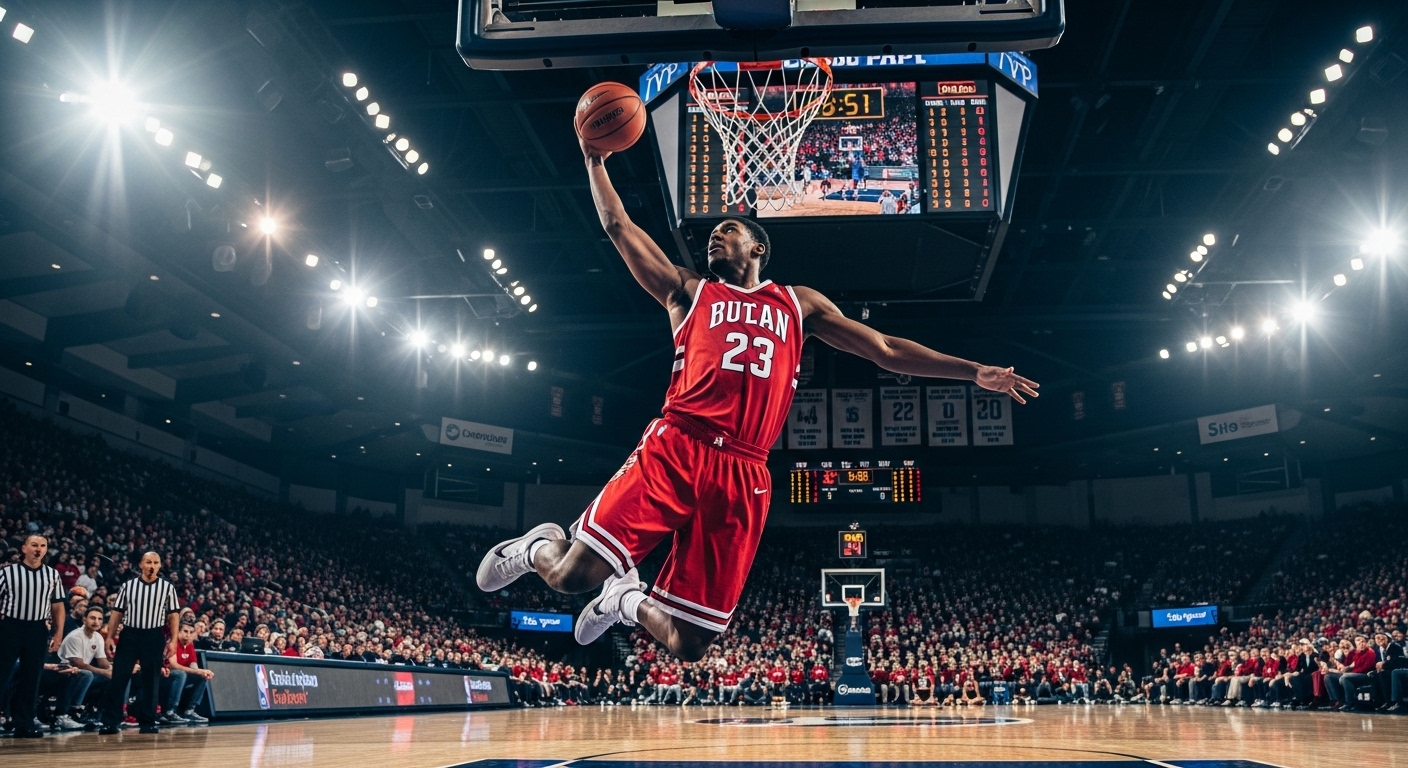
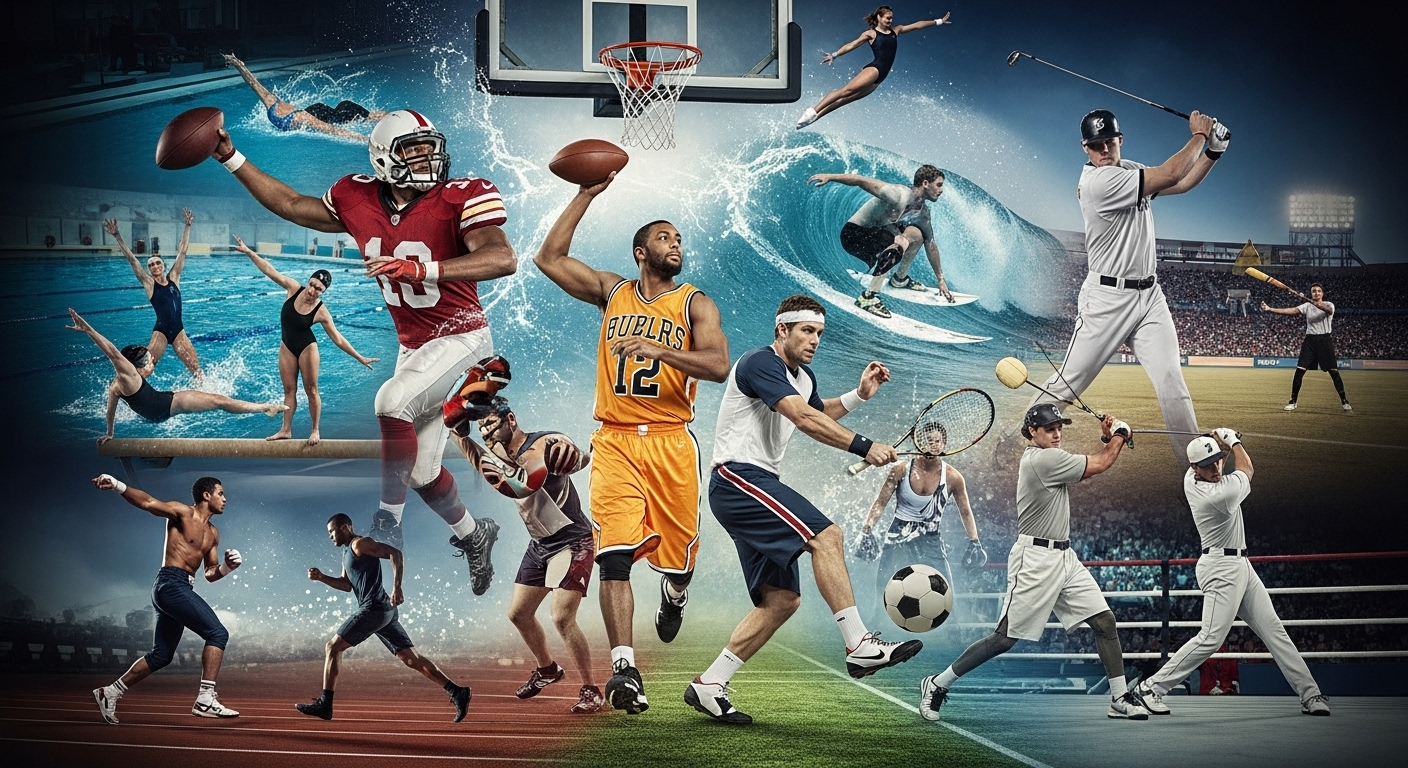
Sports have been an essential part of human civilization for centuries, serving as a source of entertainment, physical activity, and cultural identity. From ancient Olympic Games in Greece to modern professional leagues and international competitions, sports have evolved into a global phenomenon that transcends age, geography, and social class. They shape individuals’ lives, inspire communities, and influence culture on a massive scale. This blog explores the multifaceted impact of sports, highlighting their physical, mental, social, and cultural significance while reflecting on the challenges and opportunities they present.
The Historical Roots of Sports
The origins of sports trace back to ancient civilizations. In Greece, athletic competitions were held as part of religious and cultural festivals, with the Olympic Games symbolizing both excellence and unity. Similarly, in China, martial arts were integrated with philosophy and discipline, while in Mesoamerican cultures, games like the ballgame had ceremonial and societal importance.
Over time, informal physical contests evolved into structured sports with codified rules, leagues, and tournaments. These historical developments illustrate that sports have always been more than a form of entertainment—they are expressions of human ambition, discipline, and cultural values.
The Physical Benefits of Sports
Participation in sports offers profound physical advantages. Regular activity enhances cardiovascular health, strengthens muscles, improves flexibility, and supports weight management. Engaging in sports also reduces the risk of chronic diseases such as diabetes, heart disease, and obesity.
Different sports offer varied benefits. Endurance sports like running, swimming, and cycling improve stamina and heart health. Strength-based sports such as weightlifting and wrestling develop muscle power and bone density. Team sports, including football, basketball, and volleyball, promote agility, coordination, and balance. Ultimately, sports encourage individuals to adopt healthier lifestyles that contribute to long-term well-being.
Mental and Emotional Advantages
Sports not only strengthen the body but also have significant mental and emotional benefits. Physical activity releases endorphins, reducing stress, anxiety, and depression while promoting feelings of happiness and well-being. Regular participation in sports also enhances focus, memory, and cognitive function.
Sports teach resilience and emotional regulation by exposing participants to challenges, victories, and defeats. Athletes learn to cope with setbacks, manage pressure, and maintain composure, skills that extend to personal and professional life. The discipline and mental fortitude gained through sports can empower individuals to navigate obstacles with confidence and determination.
Sports as a Social Connector
Sports play a vital role in social bonding and community development. Team-based activities foster collaboration, communication, and mutual support. Players learn to trust teammates, work toward common goals, and respect others’ perspectives.
Beyond individual teams, sports unite communities. Local tournaments, school competitions, and professional games create shared experiences that build camaraderie among spectators and participants alike. International sporting events, such as the Olympics and the World Cup, promote global unity by bringing people from diverse cultures together through shared passion and admiration.
The Role of Sports in Education
Education and sports have always been interconnected. Schools and universities integrate sports into their programs to promote physical health, teamwork, and personal development. Student-athletes learn time management, discipline, and goal-setting as they balance academic responsibilities with training and competitions.
Sports also instill core values such as integrity, fairness, and perseverance. Educational institutions that prioritize athletics help students develop holistic skills that contribute to personal growth, career success, and social responsibility.
Sports and Personal Growth
Participation in sports encourages personal development in multiple dimensions. Athletes cultivate discipline, patience, and perseverance by training consistently and striving for improvement. Sports challenge individuals to assess their strengths and weaknesses, set realistic goals, and push beyond perceived limits.
Leadership skills emerge naturally through sports. Team captains and players in strategic roles develop the ability to motivate others, make critical decisions under pressure, and manage conflicts. The lessons learned in sports extend far beyond the field, shaping character and equipping individuals for lifelong challenges.
Cultural Significance of Sports
Sports hold immense cultural value, influencing traditions, identity, and social norms. National teams and athletes often become symbols of pride and unity, while global competitions showcase the spirit of cooperation and friendly rivalry. Sporting events are celebrated with ceremonies, rituals, and fanfare that reflect cultural heritage and community values.
Sports also inspire creativity in art, music, media, and fashion. Legendary athletes and historic moments become part of collective memory, shaping cultural narratives and serving as sources of motivation and inspiration for generations.
The Economic Impact of Sports
Sports are a major contributor to the global economy. Professional leagues, tournaments, and events generate revenue through ticket sales, broadcasting, sponsorships, and merchandising. Local economies benefit from sports tourism, as fans travel to attend matches and tournaments.
Employment opportunities abound in sports, encompassing athletes, coaches, referees, event managers, broadcasters, and fitness trainers. Additionally, sports drive innovation in technology, infrastructure, and equipment, further expanding their economic footprint and societal influence.
Technology and Innovation in Sports
Technological advancements have revolutionized the way sports are played, analyzed, and experienced. Wearable devices track performance metrics such as heart rate, speed, and endurance, allowing athletes to optimize training and prevent injuries. Video review systems enhance fairness in competitions, while analytics provide insights for strategy and performance improvement.
Fans benefit from technology through live streaming, virtual reality experiences, and interactive platforms that bring them closer to the action. As technology continues to evolve, sports will become more accessible, engaging, and inclusive for participants and audiences alike.
Sports as a Platform for Diplomacy
Sports often serve as a tool for diplomacy and global cooperation. International competitions promote cultural exchange, mutual respect, and dialogue between nations. Events like the Olympic Games demonstrate that sports can transcend political boundaries and create a platform for peaceful interaction.
Athletes themselves become ambassadors, using their influence to advocate for social causes, raise awareness about global issues, and inspire unity. Sports demonstrate the power of shared passion to connect people across cultures and continents.
Inclusivity and Accessibility in Sports
Modern sports emphasize inclusivity and accessibility. Adaptive sports for individuals with disabilities, women’s leagues, and community initiatives ensure that people from all backgrounds can participate. Promoting equality in sports challenges stereotypes, breaks social barriers, and creates opportunities for underrepresented groups.
Accessible sports foster personal empowerment, social cohesion, and community development. They enable everyone to experience the physical, mental, and social benefits of participation, reinforcing the notion that sports are a universal human right.
Challenges Facing Sports Today
Despite their numerous benefits, sports face challenges that must be addressed. Issues such as doping, corruption, and unethical behavior threaten the integrity of competitions. Economic disparities can limit access to training, facilities, and opportunities for talented athletes. Over-commercialization risks prioritizing profit over fair play and athlete welfare.
Injuries, burnout, and mental health concerns highlight the need for holistic support and responsible management. Ensuring fairness, promoting inclusivity, and prioritizing athlete well-being are critical for sustaining the positive impact of sports in society.
The Future of Sports
The future of sports is dynamic and full of potential. Emerging technologies, including artificial intelligence, virtual reality, and data analytics, will redefine performance, training, and fan engagement. Globalization and connectivity will expand access and participation, bringing sports to new audiences and communities.
Sustainability initiatives will shape the way sporting events are organized, promoting environmentally responsible practices. Digital sports, including esports and virtual competitions, will continue to merge with traditional sports, offering innovative experiences for athletes and fans alike.
Sports and Personal Growth
At its core, sports are a vehicle for personal growth. They teach discipline, resilience, teamwork, and leadership. Participation challenges individuals to strive for excellence, adapt to obstacles, and pursue continuous improvement. Athletes develop confidence, strategic thinking, and a strong sense of self-worth.
Even as spectators, sports inspire reflection, empathy, and motivation. They encourage individuals to celebrate achievements, overcome adversity, and connect with others through shared passion and admiration. Sports, therefore, extend far beyond competition to impact character, culture, and society.
Conclusion
Sports are far more than games—they are an essential part of human life. They enhance physical health, mental well-being, social interaction, and personal growth. They shape culture, influence economies, and foster global connection. From grassroots initiatives to professional leagues, sports create opportunities for achievement, learning, and unity.
As society continues to evolve, sports will remain a powerful tool for inspiring individuals, strengthening communities, and celebrating human potential. Beyond victories and records, the true value of sports lies in their ability to transform lives, build character, and connect people across the world in the shared pursuit of excellence and joy.