Introduction: Sports as a Universal Language
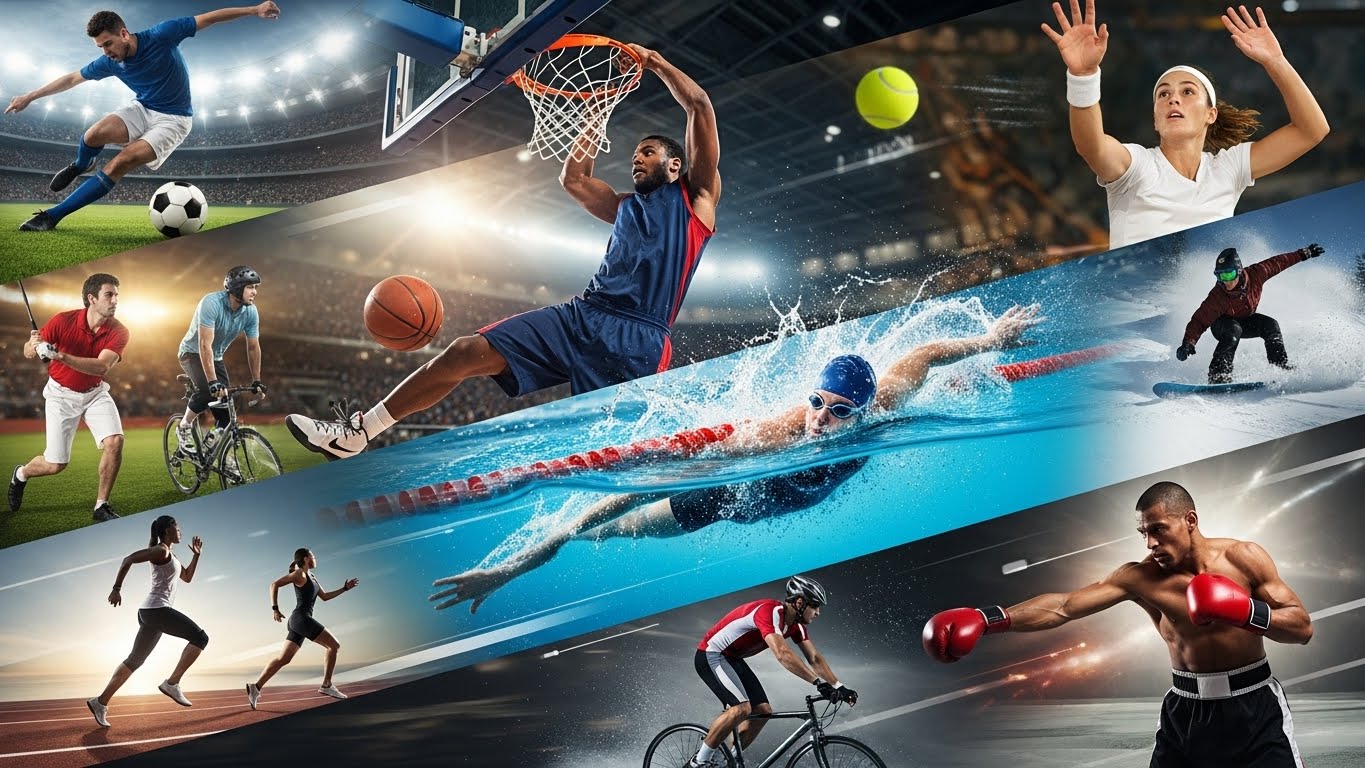
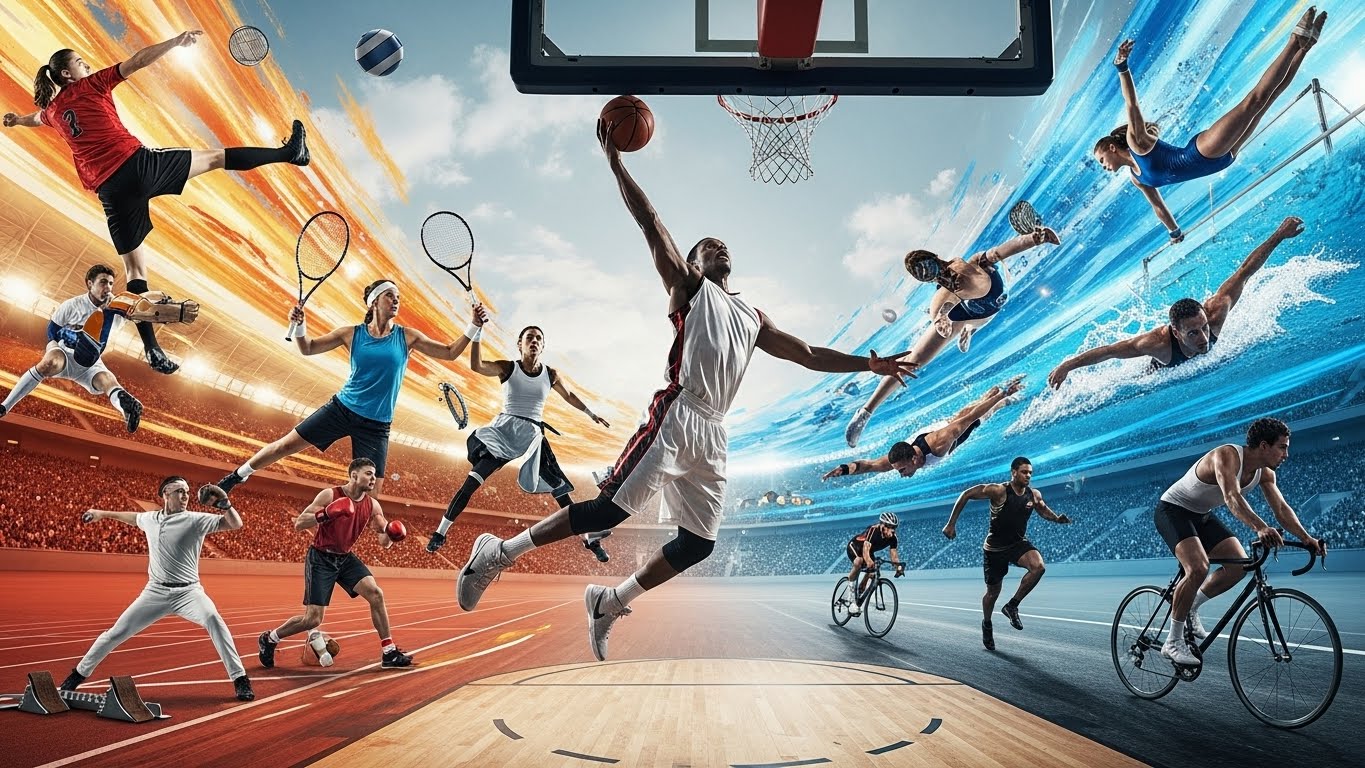
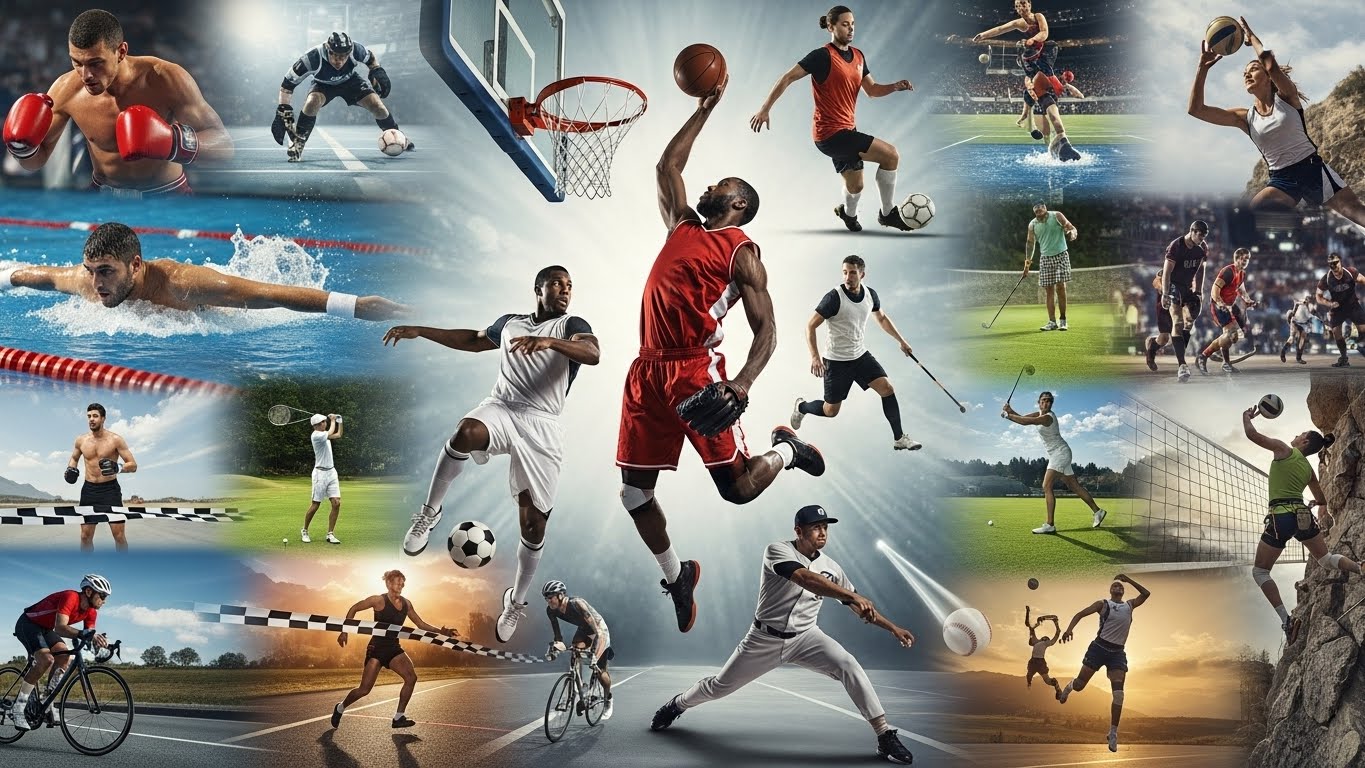
Sports have always been more than mere games. They are a universal language that transcends borders, cultures, and generations. From local playgrounds to global stadiums, sports inspire, challenge, and unite people. Beyond entertainment, they serve as platforms for personal growth, social interaction, and cultural expression. In a world where challenges are increasingly complex, sports continue to demonstrate the values of discipline, teamwork, perseverance, and fair play. Understanding the multifaceted role of sports helps us appreciate their significance in shaping individuals and society.
The Historical Evolution of Sports
Sports have been integral to human society since ancient times. Early civilizations engaged in physical competitions to honor deities, celebrate harvests, or prepare warriors for battle. The ancient Olympic Games, held in Greece around 776 BCE, showcased athletic excellence and fostered unity among city-states. Similarly, other cultures developed unique games that reflected their values and traditions.
Over the centuries, sports evolved into organized competitions with standardized rules and professional athletes. The development of leagues, tournaments, and global events transformed sports into industries that captivate millions. Innovations in training, nutrition, and equipment have continually pushed the boundaries of human performance, demonstrating that sports are both a reflection of culture and a measure of progress.
Physical Benefits of Sports Participation
One of the most immediate advantages of sports is physical health. Engaging in regular physical activity improves cardiovascular health, strengthens muscles, enhances flexibility, and promotes overall fitness. For children and adolescents, sports encourage healthy growth and development, helping establish lifelong habits of activity and wellness.
Participating in sports also reduces the risk of chronic diseases such as obesity, diabetes, and heart conditions. It boosts endurance, coordination, and agility, contributing to long-term vitality. The physical benefits extend beyond the individual, as communities with active populations often experience lower healthcare costs and higher overall well-being.
Mental and Emotional Advantages
The impact of sports on mental and emotional health is profound. Participation fosters discipline, focus, and resilience, teaching individuals to set goals and work toward them systematically. Athletes learn to handle both success and failure, gaining confidence and coping mechanisms that translate into daily life.
Team sports, in particular, cultivate communication skills, empathy, and collaboration. They encourage players to understand group dynamics, resolve conflicts, and celebrate collective achievements. Even spectators gain emotional benefits from sports, experiencing excitement, relief, and community engagement. Overall, sports nurture mental toughness and emotional intelligence, essential qualities for navigating life’s challenges.
Sports as a Catalyst for Social Interaction
Sports are powerful social connectors. They bring together people of different backgrounds, fostering unity and shared experiences. Local clubs, recreational leagues, and school teams create environments where friendships form, mentorship occurs, and communities strengthen.
Globally, sports unite fans during international competitions, creating a sense of belonging and collective identity. In many cases, sports bridge cultural, linguistic, and political divides, emphasizing shared values and passions. This social dimension highlights that the significance of sports extends far beyond physical activity—it is about building relationships and nurturing communities.
Educational Impact of Sports
Sports and education are closely intertwined. Schools and universities incorporate athletics to promote balanced development, encouraging students to excel academically and physically. Research has shown that student-athletes often demonstrate improved time management, focus, and leadership skills.
Scholarships and sports programs provide opportunities for talented individuals to pursue higher education while honing athletic skills. Beyond academic achievement, sports instill life lessons such as resilience, perseverance, and teamwork. They prepare young people for the demands of adulthood, equipping them with skills applicable in professional and personal contexts.
Economic Significance of Sports
Sports have a substantial economic impact, both locally and globally. Professional leagues, tournaments, and franchises generate revenue through ticket sales, merchandise, sponsorships, and broadcasting rights. Major sporting events often drive tourism, creating jobs and boosting local economies.
The sports industry also fosters entrepreneurship and innovation, from fitness startups to sports analytics, wearable technology, and digital content. Athletic success can inspire investment in infrastructure, training facilities, and community programs. Consequently, sports act as both a cultural and economic driver, contributing to societal development on multiple levels.
Technology and Innovation in Sports
Technology has revolutionized the world of sports. Athletes now utilize advanced equipment, data analytics, and wearable devices to monitor performance, optimize training, and prevent injuries. Innovations in biomechanics, nutrition, and recovery methods have redefined the limits of human potential.
For fans, technology has transformed engagement. Live streaming, instant replay, virtual reality experiences, and interactive apps provide immersive ways to follow teams and athletes. Social media allows fans to connect directly with athletes and teams, creating dynamic and participatory sports communities. Technology has blurred the line between athlete performance and fan experience, redefining what it means to engage with sports.
Character Building Through Sports
Participation in sports builds character in ways that are hard to replicate elsewhere. Discipline, patience, and perseverance are essential traits cultivated through training and competition. Facing setbacks and learning from failure encourages humility and resilience.
Leadership development is another key outcome. Team captains and senior players learn to motivate others, make strategic decisions, and take responsibility for outcomes. The values learned in sports—fair play, dedication, and respect—extend into professional and personal life, helping individuals contribute positively to society.
Diversity, Inclusion, and Equality in Sports
Sports have historically faced challenges with equality, particularly regarding gender and accessibility. However, the landscape is evolving, with increasing recognition of women’s sports, adaptive sports for differently-abled athletes, and inclusive programs that provide opportunities for all.
Paralympic competitions, mixed-gender tournaments, and community initiatives showcase the potential of sports to empower marginalized groups. Emphasizing diversity and inclusion ensures that talent and passion, rather than background or ability, determine opportunity. Inclusive sports cultures promote fairness, representation, and innovation, reflecting broader societal values.
Sports and National Identity
Sports often become a reflection of national pride. International competitions such as the Olympics or the World Cup allow countries to showcase talent, culture, and resilience. Victories inspire collective celebration, while athletes often become national heroes and role models.
Sports also foster unity during difficult times. Communities rally around teams or athletes, creating shared experiences that strengthen cultural identity. In this way, sports serve as both a mirror of society and a force for cohesion, demonstrating the profound connection between athletic achievement and national sentiment.
Challenges Facing Modern Sports
Despite their benefits, sports face significant challenges. Issues such as doping, corruption, and commercialization threaten the integrity of competition. Excessive focus on winning can overshadow personal growth, particularly in youth sports.
Mental health among athletes is increasingly recognized as a critical concern. Pressure to perform, public scrutiny, and intense schedules can lead to stress, anxiety, and burnout. Access to sports remains uneven, with socioeconomic barriers limiting opportunities for many. Addressing these challenges is essential to preserve the positive influence of sports and ensure fair participation for all.
The Future of Sports
The future of sports promises both innovation and transformation. Emerging technologies, including virtual reality, artificial intelligence, and esports, are reshaping how sports are played and consumed. Training methods will become increasingly data-driven, enhancing performance and safety.
Emphasis on inclusion, sustainability, and mental health will guide the evolution of sports culture. New formats and hybrid competitions may emerge, blending traditional athletics with digital experiences. Despite these changes, the core values of sports—discipline, teamwork, resilience, and fair play—will continue to define their enduring relevance.
Conclusion: The Enduring Impact of Sports
Sports are far more than games—they are a force that shapes individuals, communities, and societies. They cultivate physical fitness, mental resilience, and social bonds while driving cultural identity and economic growth. Sports teach lessons that transcend the field, instilling discipline, perseverance, leadership, and empathy.
Engaging with sports, whether as a participant or a fan, offers opportunities for personal growth and shared experiences. Sports remind us of the human potential for excellence, the power of teamwork, and the joy of collective achievement. They are a celebration of effort, courage, and creativity, reflecting both the challenges and triumphs of life itself. In essence, sports are a mirror of our humanity, encouraging us to strive, endure, and inspire.