Introduction: More Than a Game
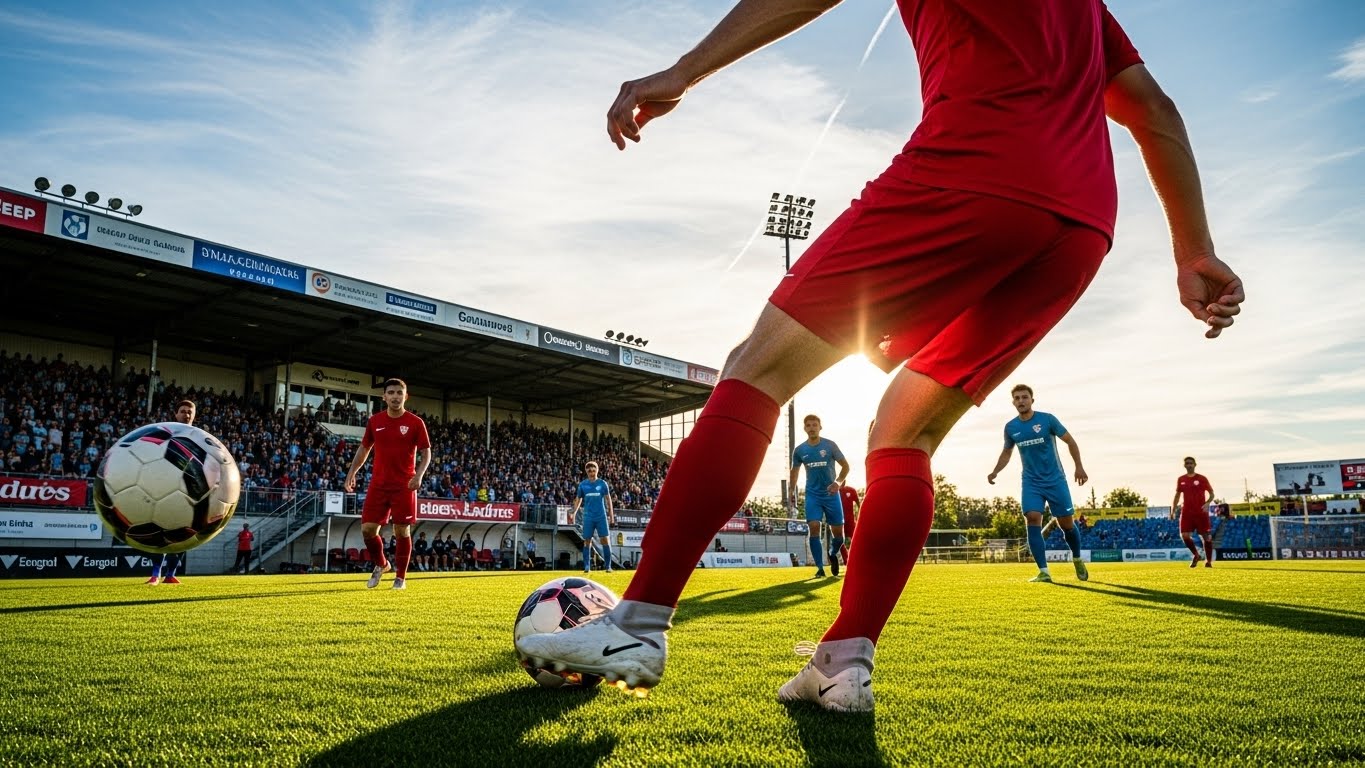
Sports have long been woven into the fabric of human culture. From ancient Olympic arenas to modern stadiums filled with roaring fans, the spirit of competition has remained a constant thread connecting generations. Yet sports are not just physical contests or weekend entertainment. They influence how we think, how we grow, and how we relate to one another. In this blog post, we explore the deeper layers of sports—the lessons they teach, the emotions they spark, the communities they build, and the powerful impact they continue to have on society.
The Universal Language of Sports
Whether it is football, cricket, basketball, tennis, athletics, or the hundreds of other disciplines across the world, sports speak a universal language. You do not need to understand a person’s dialect to appreciate a stunning goal or a record-breaking sprint. This silent connection makes sports one of the few activities where people from completely different backgrounds feel united under a shared passion.
Sports break barriers—cultural, social, political—and remind us that beneath the surface differences, human emotion is universal. A win feels like triumph, a loss feels like heartache, no matter where you come from.
Building Character Through Competition
Sports have always been one of the most powerful classrooms for life skills. Beyond teaching physical techniques, every sport instills traits that reach far beyond the field.
Discipline emerges through daily practice. Athletes learn that consistency equals progress.
Teamwork becomes second nature as players rely on one another to succeed.
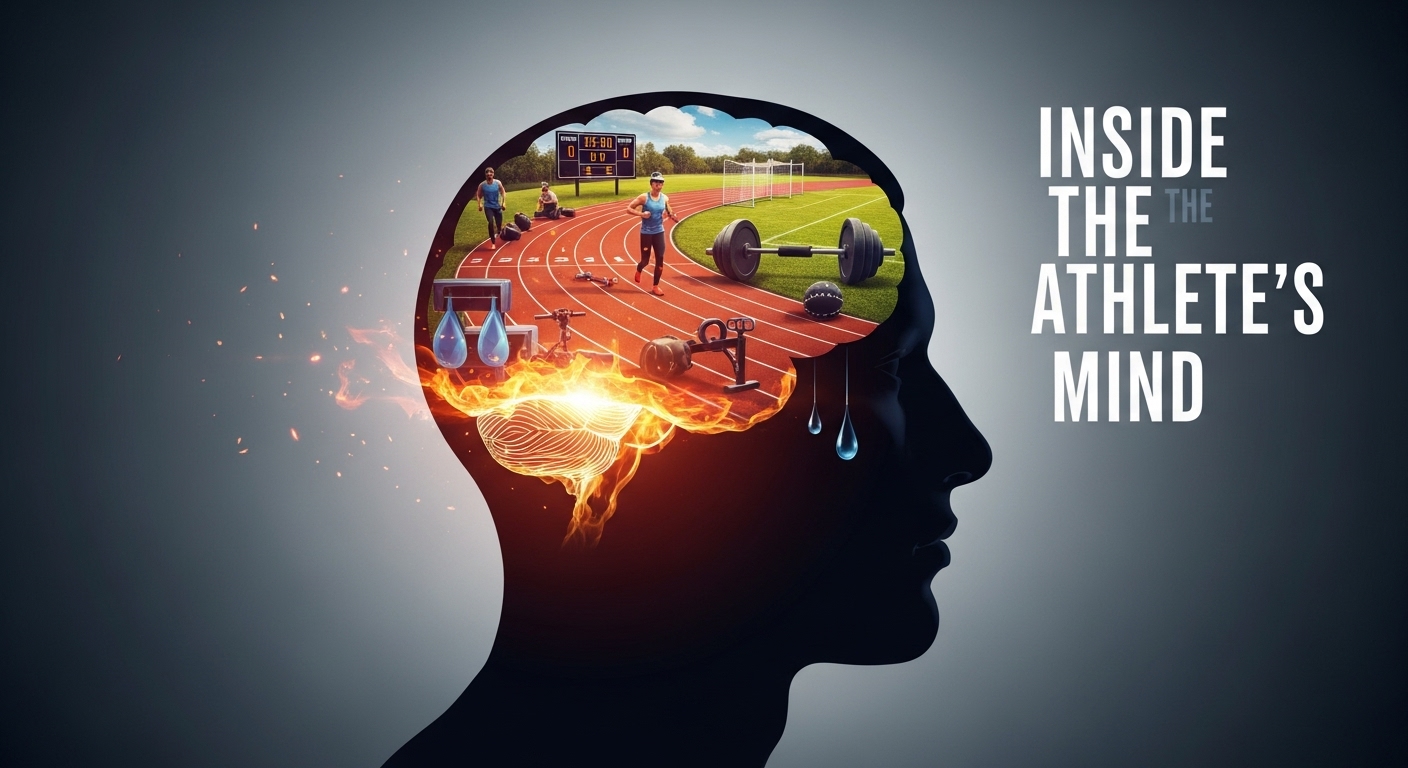
Resilience is built through losses, injuries, and setbacks, reminding players that failure is never final unless you stop trying.
Leadership develops organically when players learn to communicate, influence, and support their teammates.
These qualities stay with athletes long after they stop playing, turning them into stronger individuals capable of facing the world with confidence and a constructive mindset.
The Emotional Highs and Lows That Shape Fans
Sports are not only for players. Fans are an essential part of the experience, adding soul to the game. Watching your favorite team or athlete compete stirs emotions that few other forms of entertainment can match. The thrill of a close finish, the heartbreak of a loss, the pride in witnessing excellence—these emotions create memories that stay with fans for life.
For many, sports become a source of identity. Wearing team colors, participating in chants, or gathering with friends to watch a game turns sports into a shared ritual. It becomes more than entertainment; it becomes a source of community, belonging, and even purpose.
Sports as a Social Connector
One of the most remarkable aspects of sports is how effortlessly they bring people together. Sporting events create environments where strangers become allies, united by excitement and hope.
In schools, sports foster friendship among children who may have never interacted otherwise. In neighborhoods, a local club or community tournament builds unity. On a larger scale, national teams bring entire countries together, especially during global competitions.
Sports also act as a bridge between generations. Grandparents and grandchildren bond over favorite teams, parents pass down traditions, and families create shared memories that span decades.
The Evolution of Modern Sports Culture
Over the years, sports have undergone significant transformation. Technology, media, and globalization have completely reshaped how we play, watch, and discuss sports.
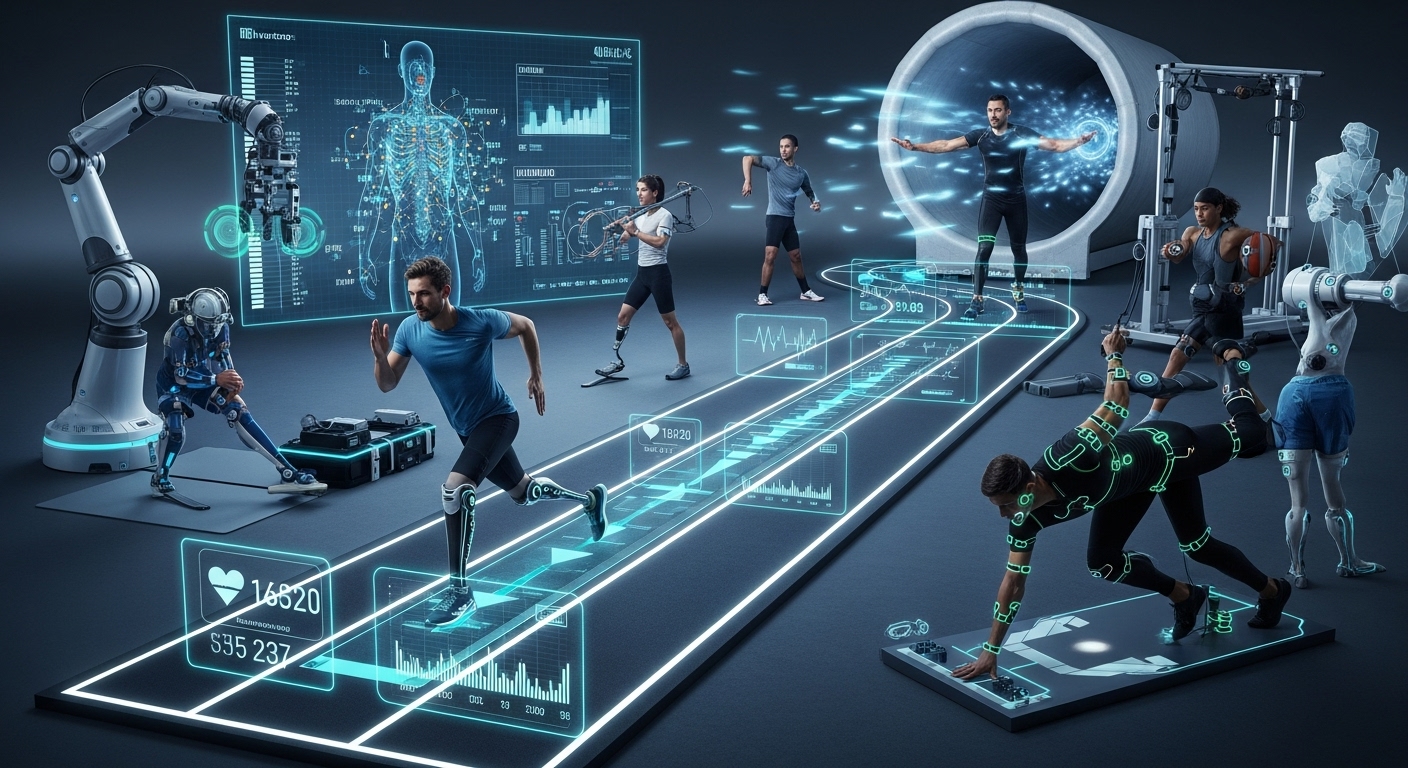
Instant replays, analytics, and performance science have made games more precise and competitive.
Social media has given fans direct access to athletes, creating a deeper connection and new forms of engagement.
Global broadcasting has allowed local sports to be appreciated internationally.
The world of sports has become more inclusive, with greater visibility for women’s sports, adaptive sports for people with disabilities, and increased focus on diversity and representation.
These changes have not only elevated the level of competition but also made sports more accessible and meaningful for a broader audience.
Health and Wellness: Why Sports Matter More Than Ever
In an age of technology and sedentary lifestyles, sports serve as a powerful reminder of the importance of physical activity. Whether played professionally or casually, sports improve mental and physical well-being.
Regular participation helps enhance cardiovascular health, improve strength and flexibility, and reduce stress. Even watching sports can have health benefits by boosting mood, reducing anxiety, and creating opportunities for social interaction.
For children, sports are especially crucial. They help develop motor skills, improve self-esteem, and encourage a healthy lifestyle from an early age.
In adults, sports provide an outlet for stress and a chance to reconnect with the joy of movement.
Inspiring Heroes and Role Models
Every generation has its sports heroes—athletes who rise above challenges and inspire us with dedication, talent, and character. Their stories remind us that greatness rarely comes easy. Behind every victory are years of sacrifice, discipline, and unwavering determination.
These athletes become role models for millions, teaching us to dream big, work hard, and stay humble. Their journeys often mirror our own struggles, making their triumphs even more relatable and impactful.
The Economic Power of Sports
Beyond entertainment and inspiration, sports are a massive economic force. They generate employment, boost tourism, support local businesses, and contribute significantly to national economies. Stadiums create jobs, sporting events attract visitors, and merchandise sales fuel industries.
Major tournaments can bring global attention to host cities, leading to long-term economic and infrastructural benefits. Even at the local level, small clubs and community events stimulate business activity and encourage economic growth.
Sports also drive innovation. From advanced training gear to modern stadium designs, new technologies continue to emerge as industries invest in improving athletic performance and fan engagement.
Sports as a Platform for Social Change
Sports are one of the world’s biggest platforms for social awareness. Athletes often use their voices to advocate for important issues like equality, mental health, environmental protection, and education.
This activism demonstrates that athletes are not just performers; they are influential figures capable of driving meaningful change. Sports also highlight social issues by bringing different communities together and fostering conversations that might not happen otherwise.
The Future of Sports: A New Era of Possibilities
As we move forward, the future of sports holds endless possibilities. Advancements in technology, virtual engagement, and sports science will continue to reshape the landscape. We may see more interactive fan experiences, enhanced player safety equipment, and broader inclusivity across all levels of competition.
Esports will continue to grow as a legitimate sport, merging gaming with traditional competitive structures. Youth sports will likely place greater emphasis on mental health, balance, and holistic development.
The future promises a world where sports are not only more exciting but more accessible, inclusive, and impactful than ever before.
Conclusion: The Timeless Magic of Sports
Sports are far more than scores, trophies, or fleeting moments of excitement. They are powerful forces that shape our identity, character, relationships, and society as a whole. They inspire us to aim higher, push harder, and believe in our potential.
Sports teach lessons that last a lifetime—lessons of determination, teamwork, courage, and resilience. They remind us that although life is full of challenges, it is also full of opportunities for greatness.
As long as humans crave connection, competition, and inspiration, the magic of sports will continue to thrive, bringing people together and pushing us all to become better versions of ourselves.