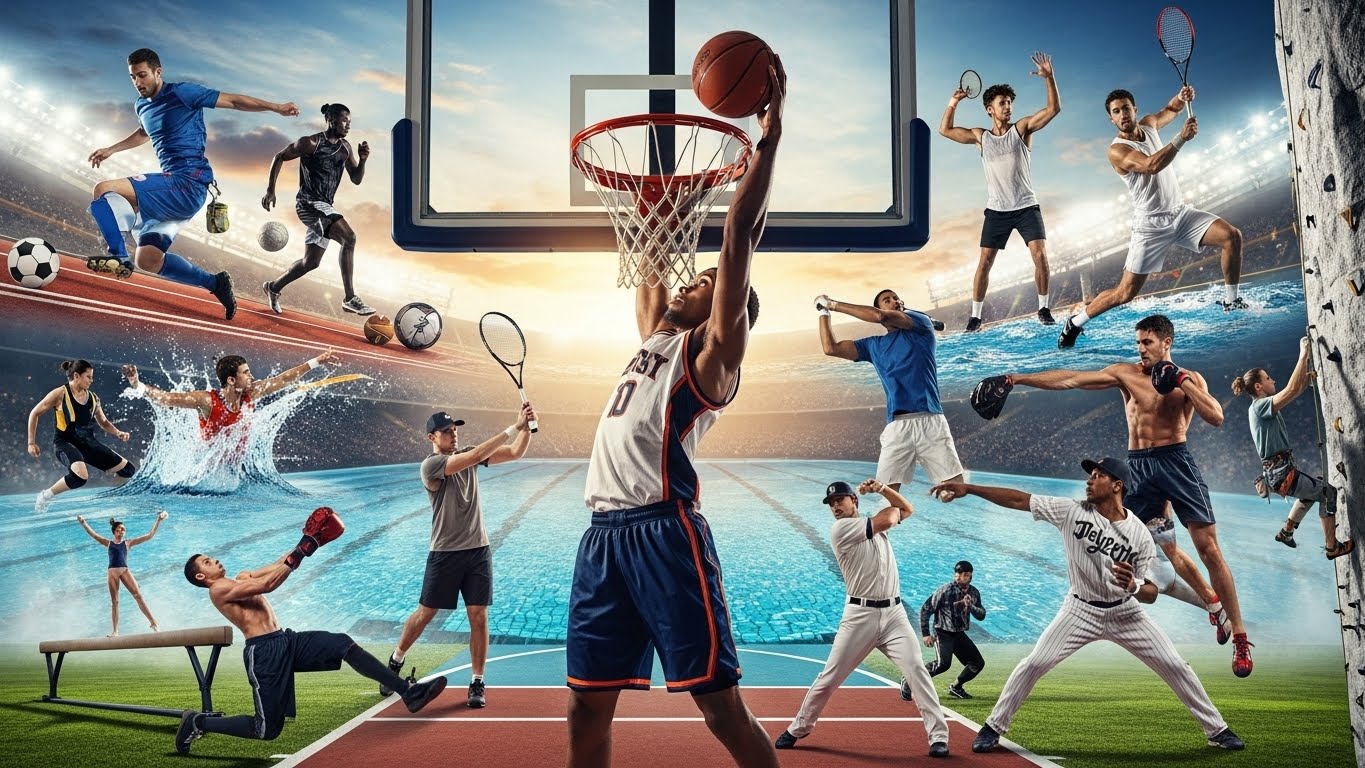

Sports have always been more than just a pastime. Across cultures, they transcend boundaries, inspire communities, and teach lessons that extend far beyond the playing field. From local playgrounds to grand international arenas, sports influence our health, mindset, and social fabric in ways that are both profound and often overlooked. In this blog, we will explore how sports impact our lives, the lessons they teach, and why they remain an essential part of human civilization.
The Historical Significance of Sports
Sports are not a modern invention. The history of organized sports dates back thousands of years, reflecting humanity’s innate desire for competition, skill, and entertainment. Ancient civilizations, including the Greeks, Egyptians, and Romans, held athletic competitions that were not only recreational but also symbolic of physical prowess and societal status. The Olympic Games, originating in ancient Greece, epitomize this blend of sport and culture, emphasizing ideals such as excellence, discipline, and honor.
Even in societies where survival was paramount, games and contests provided a structured way to develop physical skills, strategic thinking, and social cohesion. Over time, these activities evolved into modern sports, yet the core principles remain consistent: competition, teamwork, and personal growth.
Physical Benefits of Sports
One of the most obvious benefits of engaging in sports is the improvement of physical health. Regular participation in sports strengthens the cardiovascular system, builds muscle, improves flexibility, and enhances endurance. Activities like running, swimming, soccer, and basketball challenge the body in different ways, promoting overall fitness.
Beyond the obvious, sports also play a crucial role in injury prevention and long-term health maintenance. Athletes develop better coordination, balance, and agility, which reduce the likelihood of accidents in daily life. Moreover, engaging in sports from a young age establishes lifelong healthy habits, lowering the risk of obesity, diabetes, and other lifestyle-related illnesses.
Mental and Emotional Advantages
Sports are not just a physical pursuit; they are a mental exercise. Engaging in competitive or recreational sports has been proven to reduce stress, anxiety, and depression. The brain releases endorphins during physical activity, creating a natural feeling of happiness and well-being.
Beyond mood regulation, sports teach critical cognitive skills. Strategy-based games like chess, cricket, and football require planning, analysis, and adaptability. Athletes learn to focus under pressure, manage time effectively, and make quick decisions—skills that are transferable to academic, professional, and personal life.
Sports also cultivate emotional intelligence. Players experience victories, defeats, teamwork, and leadership, all of which foster resilience, empathy, and self-awareness.
Social Impact of Sports
Sports are an unparalleled tool for social connection. They bring people together, creating communities that share a common passion. Local clubs, school teams, and professional leagues allow individuals to bond over a shared interest, building friendships that often last a lifetime.
On a larger scale, sports can bridge cultural and political divides. International competitions promote global unity, celebrating diversity while emphasizing common human values. Events like the World Cup or the Olympics demonstrate how sports can unite people from different backgrounds, fostering respect, understanding, and cooperation.
Moreover, sports often serve as platforms for social change. Athletes who use their influence to advocate for equality, environmental conservation, and human rights exemplify the power of sports beyond the field.
Sports as a Catalyst for Character Development
The life lessons learned through sports are invaluable. Participation in athletics teaches discipline, perseverance, and the value of hard work. Athletes understand that talent alone is insufficient; consistent practice, dedication, and commitment are essential for success.
Team sports, in particular, emphasize collaboration and communication. Players learn to set aside personal interests for collective goals, resolve conflicts, and appreciate diverse perspectives. Even individual sports like tennis or swimming instill self-reliance, focus, and accountability.
Furthermore, sports teach humility and grace. Winning instills pride, but losing cultivates resilience and the understanding that failure is part of growth. These lessons, absorbed over years of practice and competition, often translate into stronger personal and professional relationships.
The Economic Influence of Sports
Sports are also a major economic driver. Professional leagues, sponsorship deals, merchandise, and media rights contribute significantly to global economies. Cities invest in stadiums and infrastructure, generating employment opportunities and boosting local businesses.
Beyond professional sports, recreational and amateur athletics also have economic implications. Fitness centers, sports equipment industries, and community programs create livelihoods while promoting health and engagement. The economic impact highlights the multifaceted role of sports in modern society, showing that its value extends well beyond entertainment.
Technological Advancements and Sports
In recent years, technology has transformed the way we play, watch, and understand sports. Advanced analytics, wearable devices, and virtual training tools allow athletes to optimize performance and prevent injuries. Fans experience sports in new ways through immersive broadcasting, augmented reality experiences, and instant access to data and statistics.
Technology also democratizes access to sports. Online tutorials, live-streamed events, and virtual competitions make it possible for individuals from remote areas to participate in global sporting culture. This technological evolution underscores that sports are not static; they evolve with society, reflecting the integration of innovation and tradition.
The Role of Women in Sports
Historically, sports were dominated by men, but the narrative is rapidly changing. Women athletes are breaking barriers, achieving remarkable feats, and inspiring future generations. From tennis champions to marathon runners and soccer stars, women are demonstrating that skill, strength, and determination know no gender.
The increased visibility of women in sports also encourages young girls to pursue athletic careers, promoting gender equality and challenging societal stereotypes. Moreover, women-led sports initiatives contribute to community development, mentorship, and empowerment, highlighting the broader societal benefits of inclusive athletic participation.
Sports and Education
The relationship between sports and education is symbiotic. Participation in school and college-level sports supports academic development by teaching time management, responsibility, and goal-setting. Students who engage in athletics often perform better academically because they develop focus, discipline, and problem-solving skills.
Many educational institutions also provide scholarships to talented athletes, enabling access to higher education for individuals who may otherwise face financial barriers. In this sense, sports act as both a tool for personal growth and a pathway to social mobility.
Challenges in Modern Sports
Despite its many benefits, sports are not without challenges. Issues such as doping, commercialization, corruption, and excessive pressure on young athletes can undermine the integrity and purpose of athletic participation. The rise of social media and intense scrutiny can also create mental health challenges for professional players.
Addressing these challenges requires collective responsibility. Coaches, parents, governing bodies, and athletes must prioritize ethics, fair play, and well-being over short-term gains or fame. By fostering a healthy sporting culture, society can ensure that sports continue to serve as a positive force.
The Future of Sports
Looking ahead, sports will continue to evolve in ways that reflect societal trends, technological advancements, and cultural shifts. Virtual and e-sports are gaining prominence, attracting audiences that rival traditional athletics. Inclusivity, sustainability, and social responsibility will shape the policies and practices of sports organizations worldwide.
What remains constant is the human connection to sports. Whether played on a professional stage, a local field, or a neighborhood park, sports will continue to unite, challenge, and inspire people across generations.
Conclusion: More Than Just a Game
Sports are far more than a contest of skill or physical prowess. They are a reflection of human aspiration, resilience, and community. From improving physical and mental health to shaping character, bridging social divides, and driving economic and technological progress, sports have an extraordinary impact on both individuals and society.
Engaging in sports—whether as a player, spectator, or advocate—provides opportunities to learn, grow, and connect. The lessons from sports resonate far beyond the field, reminding us that discipline, teamwork, perseverance, and respect are qualities worth cultivating in every aspect of life. In the end, sports are not just about winning or losing; they are about embracing the journey, celebrating effort, and understanding the true potential of the human spirit.