Introduction: The Universal Language of Sports
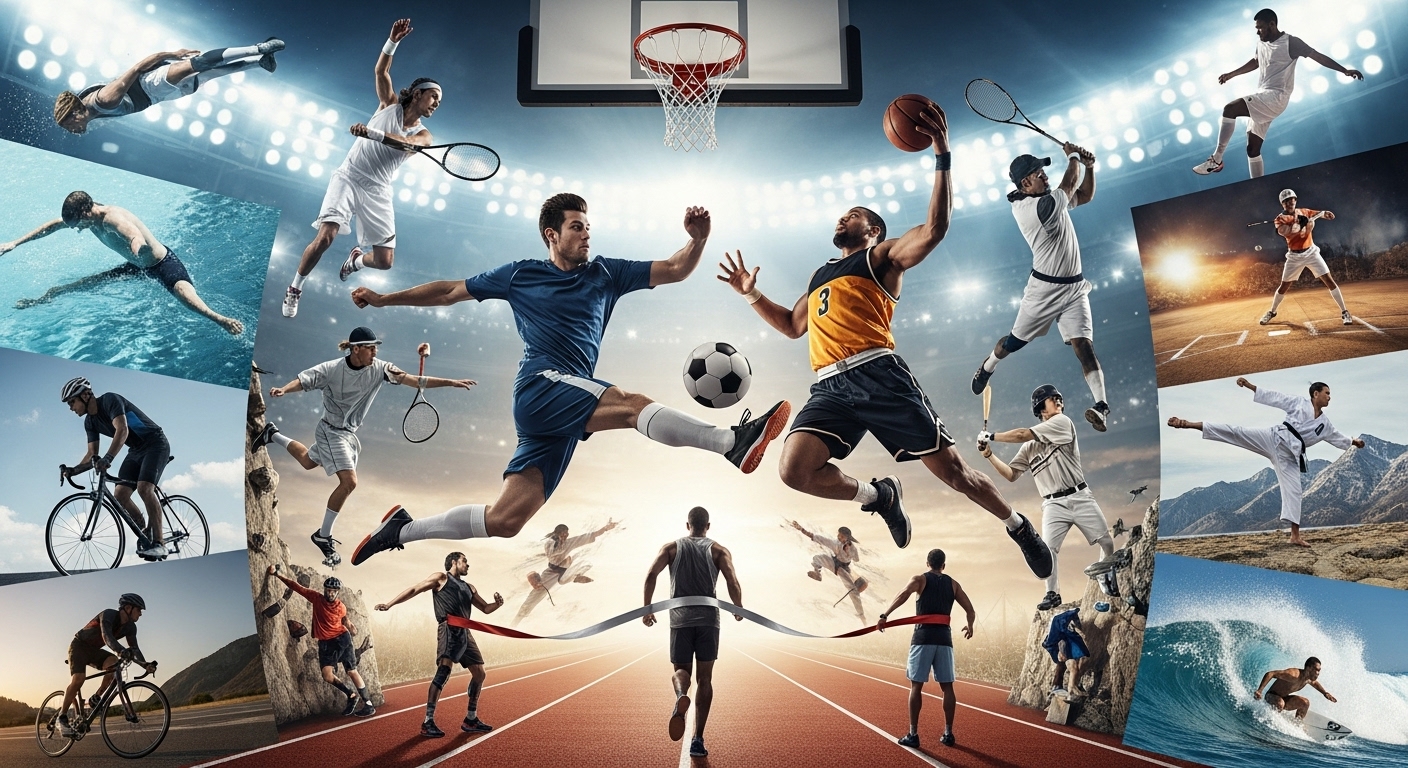
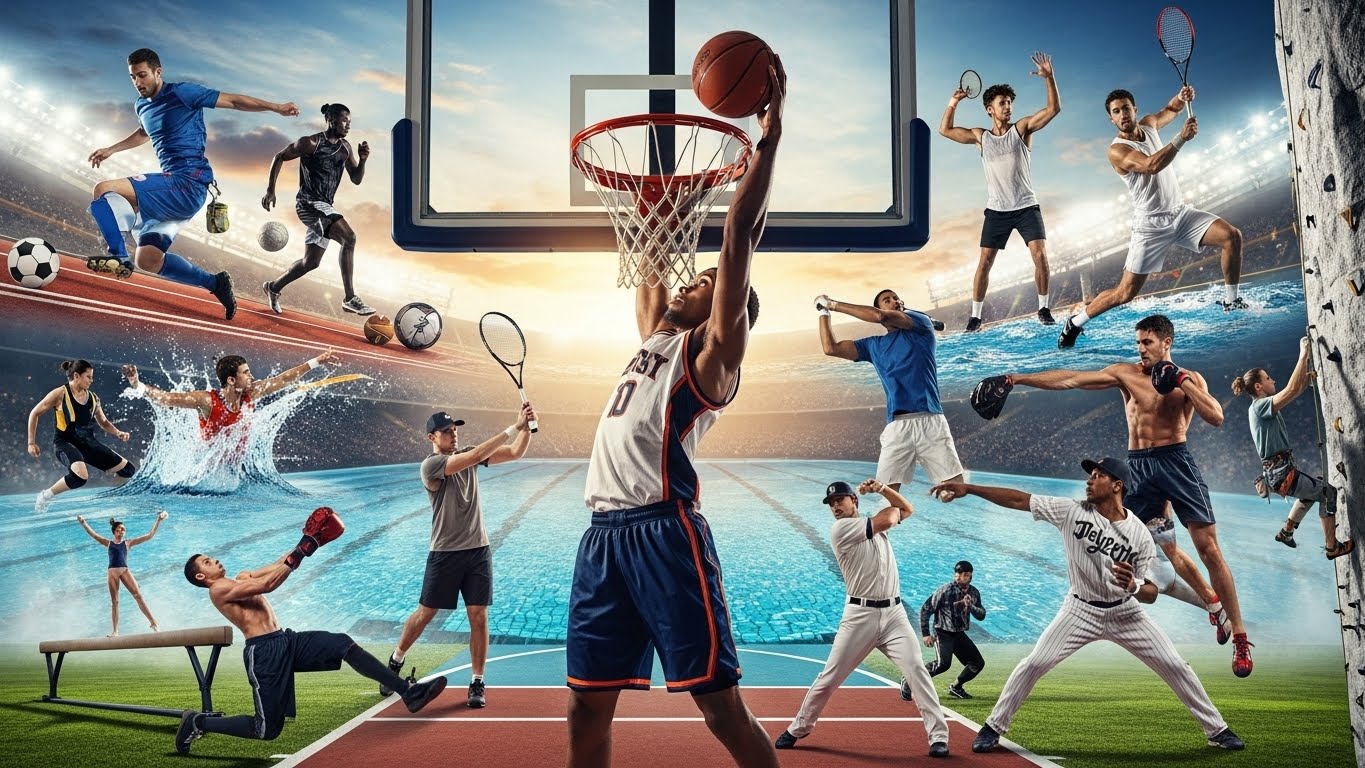
Sports are more than just games played on fields or courts; they are a universal language that transcends borders, cultures, and ages. From the small playgrounds of rural towns to massive international stadiums, sports bring people together in ways few other activities can. They inspire passion, teach life lessons, and foster a sense of community and belonging. Sports are not only about physical strength or skill—they are about determination, resilience, teamwork, and the celebration of human potential.
Whether you are an athlete striving to break records, a coach guiding a team, or a fan cheering from the sidelines, sports touch lives profoundly. This blog explores the multifaceted role of sports in society, their impact on personal growth, community development, and culture, and why they remain an essential part of human experience.
The Cultural Significance of Sports
Sports are a reflection of culture and society. They carry history, tradition, and values that are unique to the regions in which they are played. Ancient civilizations, from the Greeks to the Mayans, used sports not just for entertainment but also as a means to display discipline, honor, and strength. Modern sports continue this legacy, serving as a mirror of societal norms and aspirations.
Sports have the power to unite people from different backgrounds. They provide a sense of identity and pride, whether it is rooting for a national team in an international tournament or cheering for a local club in a community league. Sporting events often become cultural phenomena, transcending their immediate purpose to become moments of collective celebration.
Icons and legends in sports, such as Muhammad Ali, Serena Williams, Lionel Messi, and Usain Bolt, have become cultural symbols. Their stories are not just about athletic excellence but also about perseverance, resilience, and challenging societal barriers. Sports, therefore, are a vehicle for cultural storytelling, inspiring generations and leaving a lasting legacy.
The Psychological Impact of Sports
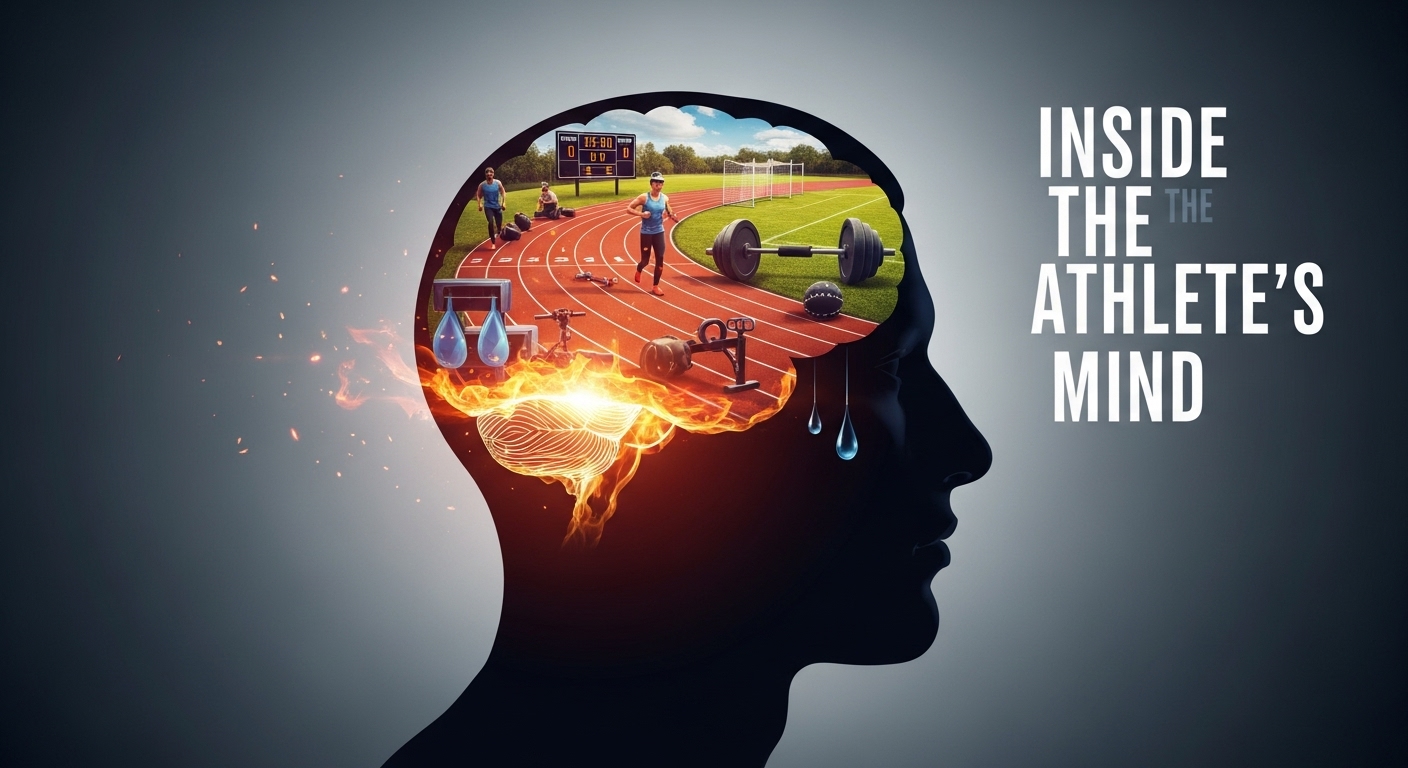
The influence of sports goes far beyond the physical domain. It deeply affects the human mind, promoting mental health, focus, and emotional resilience. For athletes, performing in high-pressure situations requires mental strength. Success in sports is often determined not just by talent but by discipline, concentration, and the ability to cope with stress.
Sports teach essential psychological lessons. Athletes learn how to handle failure, recover from setbacks, and maintain motivation even in challenging circumstances. Mental preparation, visualization, and mindfulness are tools that athletes use to stay competitive. These lessons often extend beyond sports, shaping how individuals approach challenges in education, work, and personal life.
For fans, sports provide emotional engagement and a sense of belonging. Celebrating victories and coping with losses collectively creates shared experiences that strengthen community bonds. Being part of a fan base often contributes to self-esteem and social connection, proving that sports influence the mind as much as the body.
Teamwork and Collaboration: The Heart of Sports
One of the most valuable lessons sports teach is the importance of teamwork. Most sports require collaboration, strategy, and mutual support. Success is rarely achieved alone, and understanding the role of each individual in the larger group is essential.
Team sports instill communication skills, trust, and empathy. Players learn to rely on each other, celebrate collective achievements, and manage conflicts constructively. These lessons are transferable to real-life situations, including workplaces, schools, and families. Sports demonstrate that individual talent alone is not enough; cooperation, coordination, and leadership are equally important.
Leadership is another crucial aspect developed through sports. Captains and coaches guide teams, strategize under pressure, and motivate individuals to perform their best. These leadership experiences teach responsibility, integrity, and the ability to inspire others, highlighting the broader impact of sports on character development.
Discipline, Dedication, and Personal Growth
Athletes’ journeys are defined by discipline and commitment. Training, practice, and preparation require focus, sacrifice, and perseverance. Every routine, every drill, and every hour spent honing skills contributes to growth, both physically and mentally.
Discipline learned through sports often translates into other aspects of life. It teaches goal setting, time management, and patience. Athletes understand that success is the result of consistent effort rather than instant results. Overcoming injuries, setbacks, or defeats further reinforces resilience and determination.
Sports also nurture personal growth by teaching self-awareness. Athletes constantly assess their strengths and weaknesses, develop strategies for improvement, and learn to adapt under pressure. This lifelong learning mindset cultivated through sports is one of the most valuable contributions to personal development.
The Role of Technology in Modern Sports
Technology has transformed the way sports are played, watched, and analyzed. Advanced training equipment, wearable devices, and data analytics have enhanced athlete performance and injury prevention. Modern athletes rely on technology to monitor fitness, analyze movements, and optimize recovery, allowing them to push boundaries safely and effectively.
For fans, technology has redefined engagement. Instant replays, slow-motion analysis, and immersive broadcasts bring spectators closer to the action than ever before. Social media platforms allow athletes to connect with fans directly, creating communities that transcend physical boundaries. Technology, therefore, is not only changing performance but also reshaping the cultural and social landscape of sports.
Sports science has also revolutionized nutrition, conditioning, and rehabilitation. Athletes can now recover faster, train smarter, and maintain peak performance longer than previous generations. This integration of technology and science ensures that sports will continue to evolve and improve in the future.
Sports as a Catalyst for Community Development
Sports play a critical role in fostering community development and social cohesion. Local leagues, school tournaments, and recreational programs bring people together, encouraging interaction, teamwork, and mutual respect. Sports provide opportunities for youth to learn discipline, leadership, and goal setting while keeping them engaged in positive activities.
Community sports programs also promote inclusivity. They allow individuals from different socioeconomic, cultural, and physical backgrounds to participate, breaking down barriers and promoting equality. Adaptive sports and initiatives for differently-abled athletes have opened new avenues for participation, highlighting the transformative power of sports to empower marginalized groups.
Sports facilities, stadiums, and events often stimulate local economies. They create jobs, encourage tourism, and foster local pride. The influence of sports extends beyond physical activity, contributing to the social, economic, and cultural development of communities worldwide.
The Global Impact of Sports
Sports have a unique ability to unite people globally. International tournaments such as the Olympics, World Cup, and global championships showcase athletic talent while promoting cross-cultural understanding. They demonstrate that despite differences in language, religion, or nationality, humans share a common passion for competition and achievement.
Sports also inspire global conversations about social issues. Athletes have used their platforms to advocate for equality, human rights, and environmental causes. This social responsibility highlights that sports are not just entertainment but a medium for positive change. The global influence of sports is a testament to their enduring power and relevance in society.
The Future of Sports
The future of sports promises continued innovation, inclusivity, and expansion. Emerging sports, technology-driven training, and the rise of virtual and electronic sports are redefining the concept of competition. Traditional sports are evolving alongside new formats that cater to diverse audiences and participants.
Sustainability and ethical practices are becoming integral to sports. Efforts to reduce environmental impact, promote gender equality, and ensure fair play are shaping the next generation of athletes and fans. As societies evolve, sports will continue to serve as a platform for connection, growth, and inspiration.
The essence of sports, however, will remain unchanged. The drive to compete, the joy of achievement, and the thrill of participation are timeless. Sports will continue to challenge, inspire, and unite people across generations.
Conclusion: The Enduring Spirit of Sports
Sports are more than competition; they are a celebration of human potential, resilience, and creativity. They teach lessons in discipline, teamwork, leadership, and perseverance while connecting individuals and communities in profound ways. Athletes, fans, and communities all benefit from the physical, mental, and emotional impact of sports.
The spirit of sports transcends fields, courts, and arenas. It lives in the determination to improve, the courage to compete, and the joy of shared victories. In a world that is constantly changing, sports remain a source of inspiration, identity, and unity. They are a reflection of who we are, who we can become, and what humanity can achieve when passion, dedication, and collaboration come together.
Sports are, ultimately, a mirror of life itself—full of challenges, triumphs, lessons, and growth. Their enduring impact ensures that they will continue to shape individuals, communities, and cultures for generations to come.