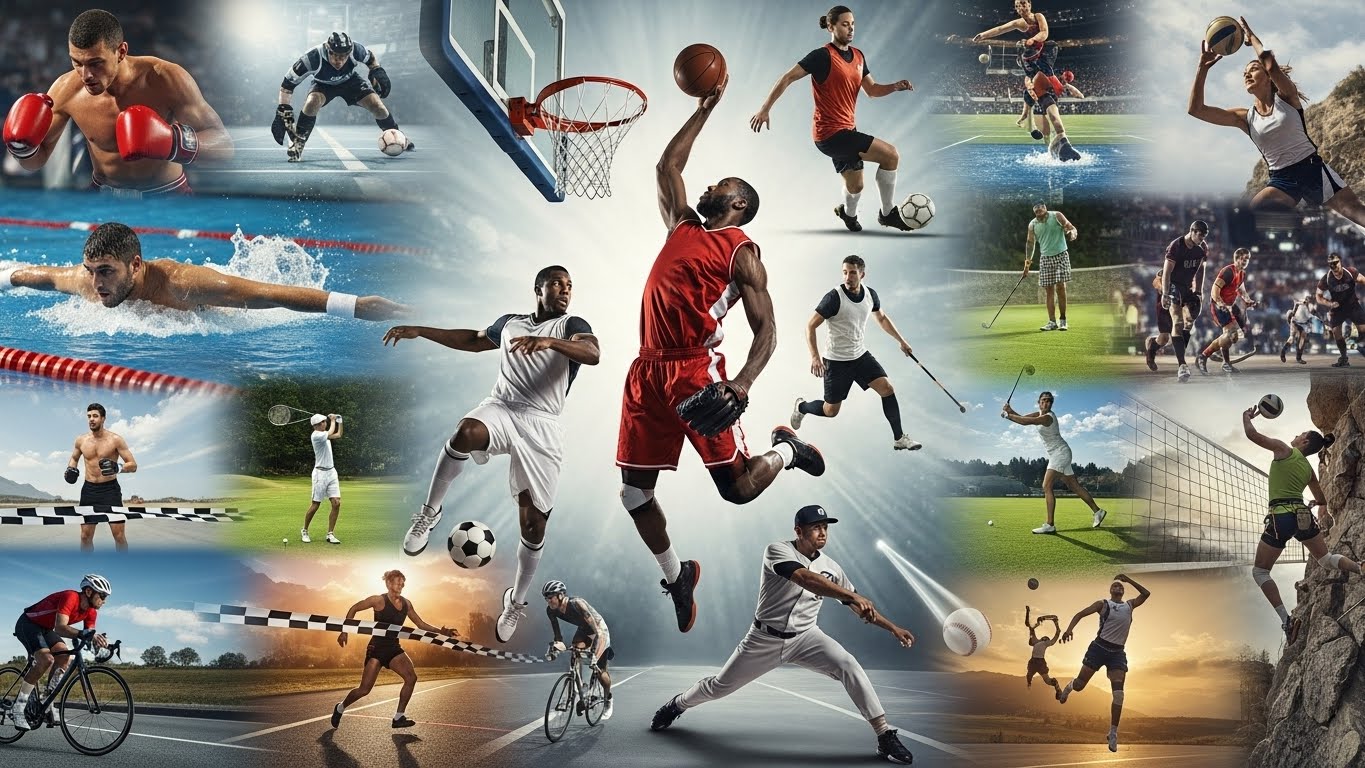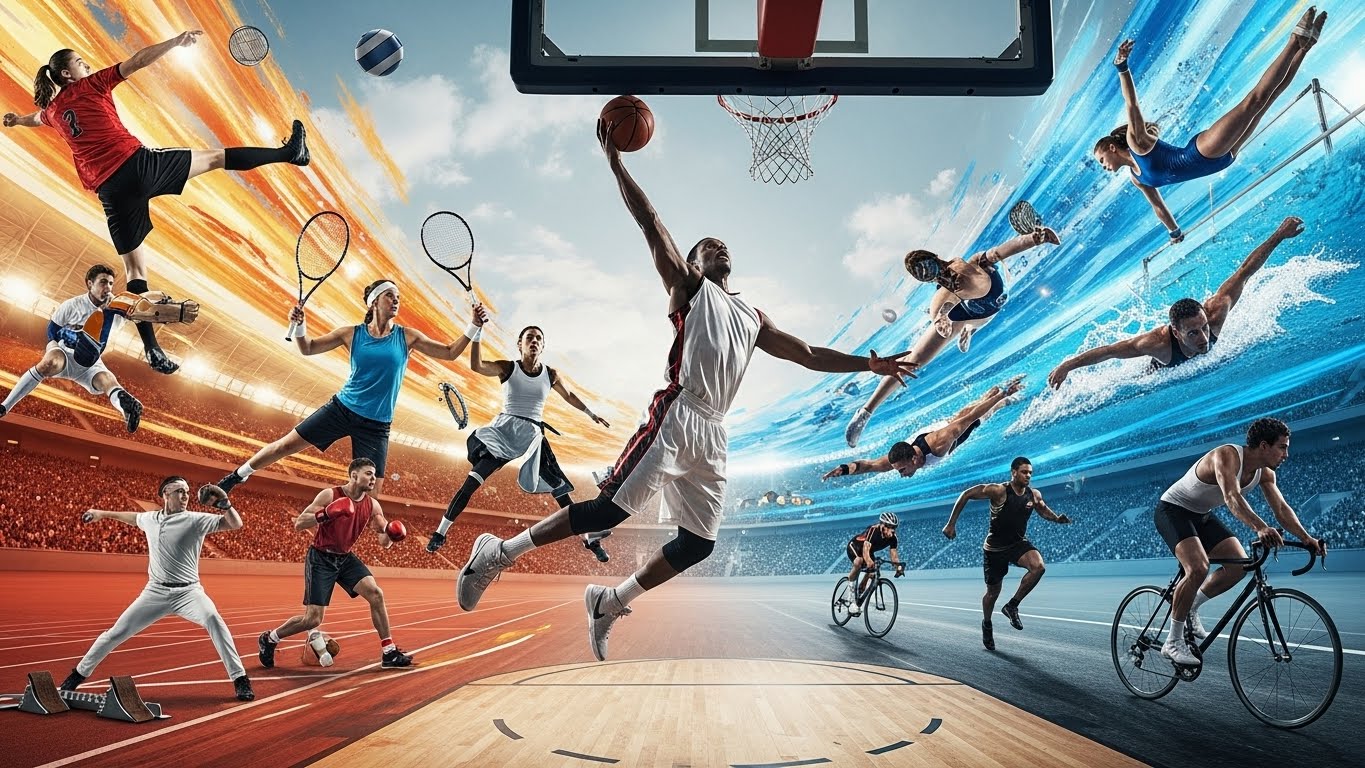

Sports have always been more than just a form of entertainment. From ancient civilizations to modern society, sports play a crucial role in shaping culture, fostering personal growth, and building strong communities. The influence of sports stretches far beyond the playing field, touching every aspect of human life, including health, education, social interaction, and even national identity. In this blog post, we will explore how sports impact individuals and society, the evolution of sports, and why they continue to be a universal language that connects people across the globe.
The Evolution of Sports Through History
Sports have been an integral part of human civilization for thousands of years. The earliest records of organized sports date back to ancient Egypt and Mesopotamia, where competitions often had religious or ceremonial significance. Ancient Greece is particularly renowned for formalizing sports, with the Olympic Games emerging as a platform to showcase physical excellence and honor the gods.
Over the centuries, sports evolved alongside societies. In the medieval era, activities like jousting and archery were popular, blending entertainment with skill development. The modern era, however, brought a new perspective, with sports becoming more structured, codified, and widely accessible. Football, cricket, basketball, and numerous other games grew from local pastimes into global phenomena, highlighting not just athletic talent but also teamwork, strategy, and discipline.
Sports as a Tool for Physical Health
One of the most immediate benefits of engaging in sports is physical health. Regular participation in sports strengthens the cardiovascular system, builds muscle and bone density, and improves flexibility and coordination. Physical activity reduces the risk of chronic diseases such as diabetes, hypertension, and obesity, and enhances mental health by releasing endorphins, which combat stress and anxiety.
Beyond personal fitness, sports also teach the importance of maintaining a healthy lifestyle. Athletes learn about nutrition, recovery, and consistency, lessons that can extend to everyday life. Sports create habits that promote long-term well-being, encouraging individuals to stay active even outside of competitive environments.
Mental Benefits: Discipline, Focus, and Resilience
While the physical benefits of sports are often highlighted, the mental and emotional gains are equally significant. Sports require discipline, focus, and perseverance. Athletes learn to set goals, manage time, and push beyond their perceived limits. These qualities often translate into other areas of life, including academics, careers, and personal relationships.
Moreover, sports cultivate resilience. Losses and setbacks are inevitable, but athletes learn to analyze mistakes, accept failure, and return stronger. This mental toughness is invaluable, teaching individuals that growth often comes through challenges rather than victories alone.
Social Impact: Building Communities Through Sports
Sports are a powerful social connector. Local teams, school competitions, and professional leagues bring people together, creating a sense of belonging and unity. Fans bond over shared passion, and players experience camaraderie and teamwork that transcend individual differences. Sports also serve as a platform for social change, inspiring movements and raising awareness about societal issues.
Community programs centered around sports have been particularly effective in youth development. They provide safe environments for young people, instill life skills, and reduce exposure to negative influences. The communal spirit fostered by sports enhances social cohesion, emphasizing collaboration, empathy, and mutual respect.
The Role of Sports in Education
Sports play a critical role in education, both formally and informally. Schools and universities worldwide use sports to promote physical fitness, character development, and leadership skills. Participation in school sports has been linked to improved academic performance, as students learn to balance commitments, manage stress, and develop a sense of responsibility.
Additionally, sports education encourages inclusivity. Programs targeting girls, children with disabilities, or underprivileged youth provide opportunities that might otherwise be inaccessible. By integrating sports into the educational system, society ensures holistic development for the next generation.
Economic Impact of Sports
Sports are not only a cultural and social phenomenon; they also have a substantial economic impact. Major sporting events generate revenue through ticket sales, merchandise, sponsorships, and media rights. Cities hosting international tournaments experience boosts in tourism, infrastructure development, and global recognition.
On an individual level, sports create career opportunities beyond athletes, including coaches, physiotherapists, sports journalists, and administrators. The growing sports industry reflects the global demand for athletic talent, entertainment, and engagement, contributing significantly to economic growth.
Sports and National Identity
Sports often serve as a symbol of national pride. International competitions like the Olympics, World Cup, or regional championships showcase a country’s talent and determination. Success on the international stage fosters unity, inspiring citizens and creating shared memories that last a lifetime.
Athletes frequently become role models, embodying the values of perseverance, integrity, and excellence. Their achievements inspire future generations to strive for greatness, illustrating the deep emotional and cultural significance of sports beyond mere recreation.
Technology and the Future of Sports
The evolution of sports continues with advancements in technology. From performance tracking devices and virtual reality training to data analytics and instant replay systems, technology is reshaping the way athletes train, compete, and interact with fans.
While traditional aspects of sports remain vital, technology enhances precision, fairness, and engagement. It allows athletes to optimize performance, reduces injuries, and offers spectators immersive experiences. The future of sports will likely blend physical excellence with digital innovation, making games more exciting and accessible than ever before.
Sports as a Universal Language
One of the most remarkable aspects of sports is its universality. Regardless of culture, language, or background, sports provide a common ground for communication and understanding. International tournaments bring people from diverse regions together, fostering diplomacy and cultural exchange.
Sports transcend boundaries, bridging gaps that might otherwise divide society. Whether it’s a child playing football in a remote village or fans cheering for a team halfway across the world, sports create connections that celebrate shared human passion.
Conclusion: More Than Just a Game
In essence, sports are far more than games played on a field. They influence physical and mental health, shape social and cultural identities, drive economic growth, and foster resilience and unity. They teach life lessons that extend beyond competition, emphasizing the values of discipline, teamwork, and perseverance.
The enduring power of sports lies in its ability to inspire, challenge, and bring people together. From professional athletes to weekend enthusiasts, everyone experiences the transformative impact of sports in some form. As society continues to evolve, the role of sports will remain fundamental, reminding us that the spirit of the game is ultimately a reflection of the human spirit itself.