Introduction
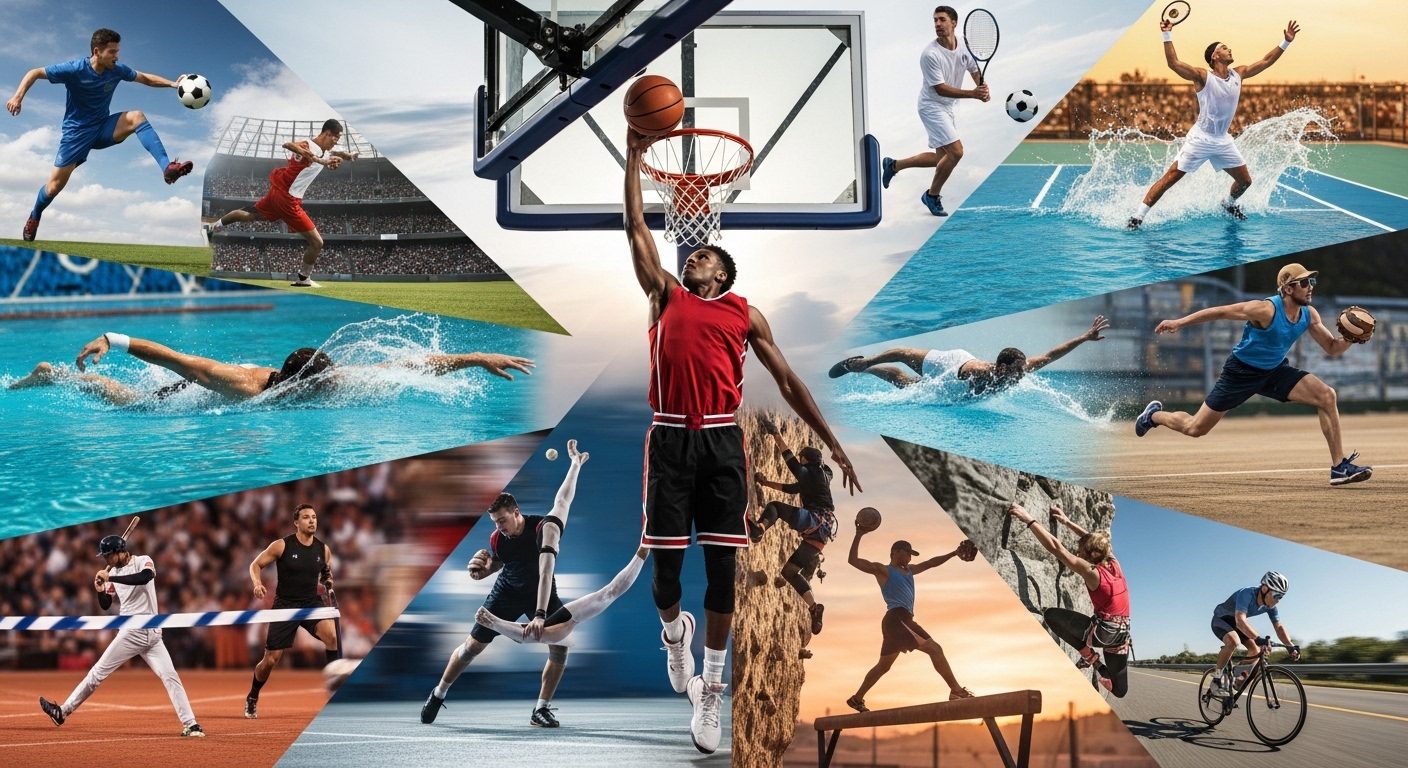
Athletics, including track and field, marathons, and cross-country events, has evolved beyond raw talent and dedication. Modern athletes now rely on science, nutrition, biomechanics, and technology to enhance performance. This combination of human skill and technological innovation has revolutionized training and competition worldwide.
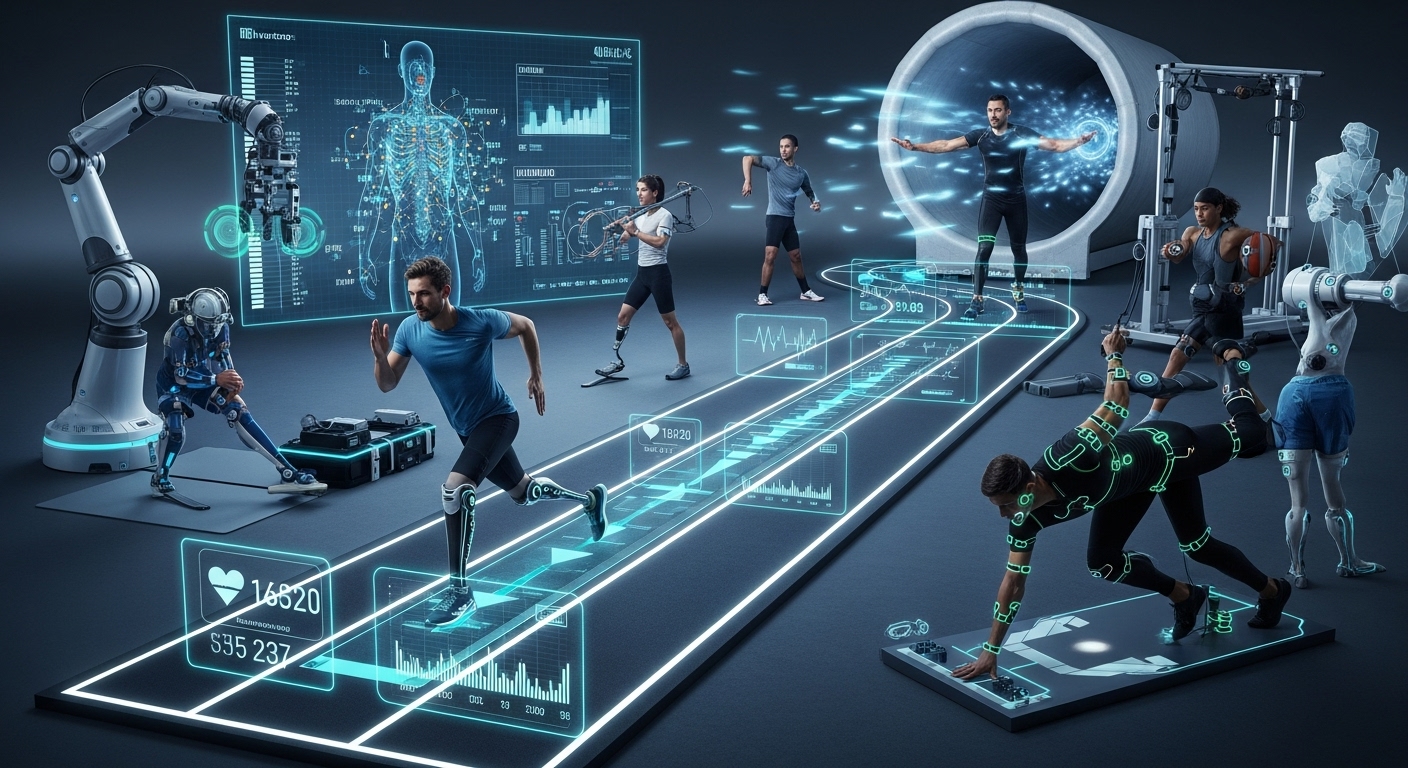
This blog will examine the scientific principles behind athletic performance, technological advancements, training methodologies, and the future of sports science.
Historical Perspective
- Ancient Olympics – Emphasis on natural talent and basic training.
- 20th Century – Introduction of structured coaching and systematic training programs.
- Modern Era – Integration of sports science, analytics, and technology.
Key Components of Athletic Performance
- Physiology – Understanding VO2 max, muscle fiber types, and endurance.
- Nutrition – Macronutrients, hydration, and supplements to optimize performance.
- Psychology – Mental conditioning, visualization, and focus strategies.
- Recovery – Sleep, physiotherapy, and cryotherapy to prevent injuries.
Biomechanics and Movement Analysis
- Motion Capture – Evaluates running form, jumps, and throwing mechanics.
- Force Plates – Measures impact and propulsion efficiency.
- Wearable Sensors – Tracks heart rate, motion, and workload in real time.
- AI and Analytics – Predicts performance outcomes and injury risk.
Technology in Athletics
- High-Tech Footwear – Carbon plates, energy-return materials, and track-specific shoes.
- Track and Field Surfaces – Synthetic tracks for optimal speed and reduced injury.
- Smart Equipment – Javelins, shot puts, and hurdles designed for performance tracking.
- Video Analysis Software – Coaches can break down every motion to improve technique.
Famous Athletes and Their Scientific Edge
- Usain Bolt – Sprinting mechanics and tailored training regimes.
- Eliud Kipchoge – Marathon performance optimized through pacing, nutrition, and science.
- Allyson Felix – Injury prevention, strength conditioning, and mental preparation.
- Caster Semenya – Debate around physiology, regulation, and athletic performance.
Training Methodologies
- Periodization – Structured cycles of intensity for peak performance.
- Cross-Training – Using multiple disciplines to improve overall athletic ability.
- Altitude Training – Enhancing oxygen efficiency for endurance athletes.
- Strength and Conditioning – Combining resistance training with sport-specific skills.
Nutrition and Recovery
- Pre-Competition Nutrition – Carbo-loading, hydration, and energy gels.
- Post-Competition Recovery – Protein intake, electrolyte balance, and rest.
- Supplements and Ergogenic Aids – Creatine, beta-alanine, and legal performance enhancers.
Future Trends in Athletics
- AI Coaching – Personalized training plans based on data analytics.
- Genetic Profiling – Tailoring training and nutrition to genetic predispositions.
- VR Training – Simulating race conditions and improving reaction times.
- Sustainable Sports Science – Eco-friendly facilities, injury-prevention tech, and longevity focus.
Conclusion
Modern athletics blends science, technology, and human skill to push the limits of performance. Understanding biomechanics, nutrition, and training strategies gives athletes an edge. The future promises even more innovation, ensuring that records continue to be broken and human potential continues to expand.