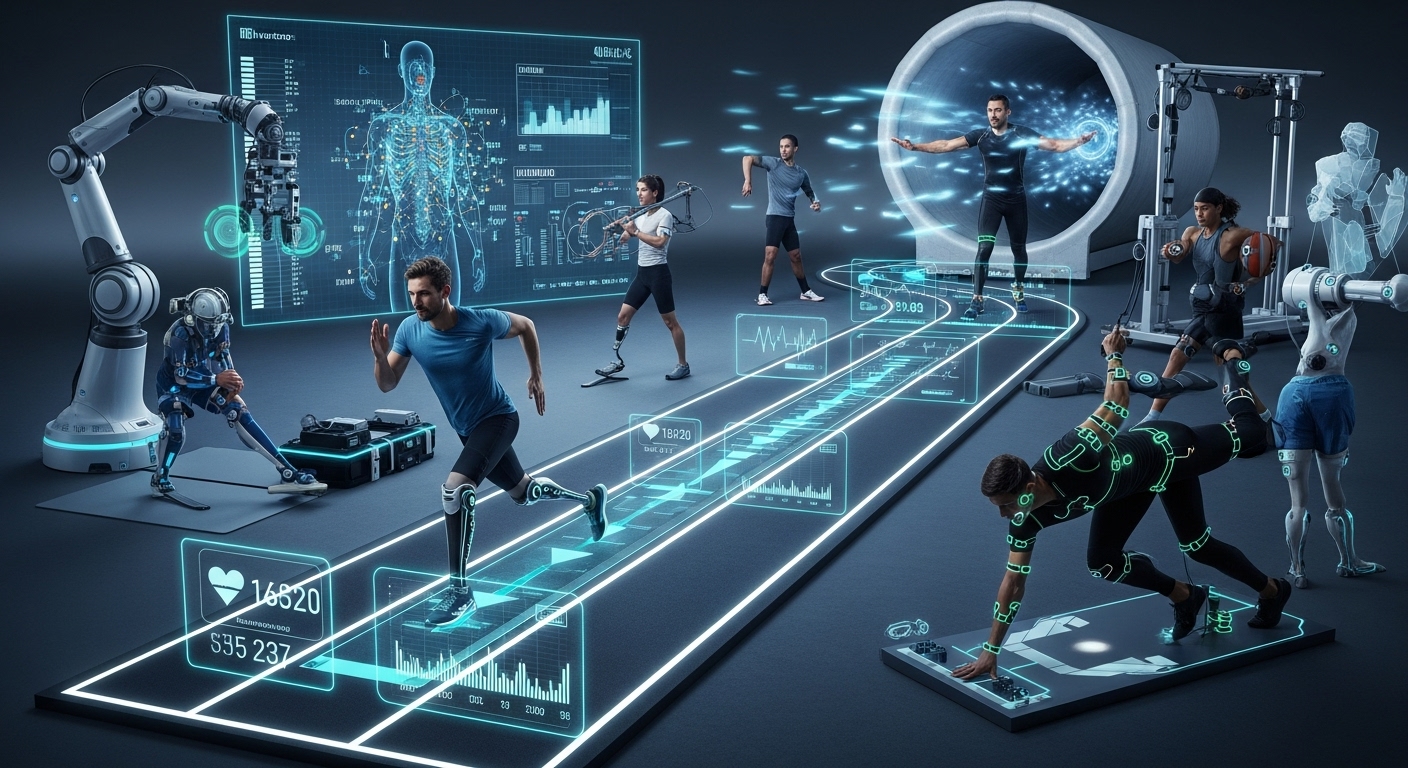

Sports have been an integral part of human civilization for centuries. From ancient games in historic arenas to modern-day stadiums brimming with fans, sports transcend mere competition. They are a reflection of culture, a celebration of human skill, and a unifying force that connects people across the globe. This blog explores the multifaceted world of sports, examining their history, impact, and the reasons they continue to captivate millions.
The Origins of Sports
Sports date back thousands of years, originating as physical contests that tested strength, skill, and endurance. Ancient civilizations such as Greece, Egypt, and China hosted competitions that combined entertainment, ritual, and physical prowess. The ancient Olympic Games in Greece, first held in 776 BCE, are perhaps the most famous early example. These events honored the gods, fostered community, and celebrated athletic excellence. Over time, sports evolved from ritualistic contests into organized competitions, laying the foundation for the structured leagues and tournaments we see today.
The Universal Appeal of Sports
What makes sports so universally appealing is their ability to resonate with people from diverse backgrounds. Sports engage the mind, body, and emotions. Whether playing on a local field, cheering in a stadium, or watching from home, sports create shared experiences that transcend language, nationality, and social status. The thrill of victory, the agony of defeat, and the unpredictability of outcomes evoke deep emotions, creating memorable moments that are talked about for generations.
Physical and Mental Benefits
Participating in sports offers a multitude of physical benefits. Regular physical activity improves cardiovascular health, strengthens muscles and bones, enhances flexibility, and boosts immune function. Beyond physical fitness, sports cultivate mental resilience. Athletes develop discipline, focus, and the ability to manage stress. Team sports, in particular, foster communication, collaboration, and leadership skills. Children and adults alike benefit from the lessons learned on the field, which often translate into other areas of life, including academics, careers, and personal relationships.
Popular Sports Around the World
The world of sports is vast and diverse, with each region cultivating its own favorites. Soccer, known as football in most countries, is the most widely played and watched sport globally. Cricket commands massive followings in countries like India, Pakistan, and Australia. Basketball, American football, tennis, rugby, and athletics are also immensely popular. Each sport has its unique culture, rules, and traditions, reflecting the values and history of the communities that embrace them.
Sports as a Cultural Phenomenon
Sports are more than games; they are a cultural phenomenon. Major events like the Olympics, the FIFA World Cup, and the Super Bowl are global spectacles that attract billions of viewers. These events influence fashion, music, and media, often setting trends beyond the sporting world. Sports also carry symbolic weight, representing national pride, regional identity, and social progress. For many, supporting a team or athlete is not just a pastime; it is an expression of personal and collective identity.
The Role of Sports in Education
Schools and universities around the world recognize the importance of sports in education. Participation in athletic programs promotes physical fitness, teaches valuable life skills, and encourages a sense of community. Many institutions offer scholarships for talented athletes, allowing them to pursue higher education while excelling in their sport. Sports programs cultivate discipline, time management, and perseverance, preparing students for future challenges both on and off the field.
Economic Impact of Sports
Sports are a major economic driver in many countries. Professional leagues, tournaments, merchandise, sponsorships, and broadcasting rights generate billions of dollars annually. Sports tourism, including fans traveling to attend events, stimulates local economies. Major sporting events often lead to infrastructure development, such as new stadiums, transportation systems, and accommodations. Additionally, sports create employment opportunities for athletes, coaches, administrators, referees, journalists, and support staff, highlighting their broad economic significance.
Technological Advancements in Sports
Technology has revolutionized sports in multiple ways. Innovations in equipment, training, and analytics have enhanced performance and reduced injuries. Video replay systems, wearable devices, and data analytics allow coaches and athletes to optimize strategies and monitor progress. Fans also benefit from technology, with live streaming, instant replays, and interactive apps providing immersive experiences. As technology continues to advance, the relationship between sports and innovation will deepen, creating new possibilities for athletes and spectators alike.
Sports and Social Change
Throughout history, sports have played a pivotal role in promoting social change. Athletes have used their platforms to address issues such as racial equality, gender inclusion, and social justice. Iconic figures like Muhammad Ali, Billie Jean King, and Pelé not only excelled in their sports but also championed important causes, inspiring generations. Sports can challenge stereotypes, break down barriers, and foster unity, demonstrating their potential to influence society positively.
Women in Sports
The rise of women in sports has been one of the most significant cultural shifts of recent decades. Female athletes have shattered records, earned recognition, and inspired millions. The growth of women’s leagues, such as those in soccer, basketball, and cricket, has created opportunities for professional careers and increased visibility. Despite progress, challenges remain, including disparities in pay, media coverage, and sponsorship. Promoting gender equality in sports continues to be a vital goal for the industry and society at large.
Sports and Mental Health
Mental health is increasingly recognized as an essential component of athletic performance. Competitive sports can be stressful, and athletes often face intense pressure to perform. Organizations now focus on providing psychological support, mindfulness training, and stress management resources. Beyond professional athletes, recreational participation in sports has been shown to improve mood, reduce anxiety, and enhance overall mental wellbeing. Engaging in sports encourages a balanced lifestyle, combining physical activity with emotional resilience.
The Future of Sports
The future of sports promises innovation, inclusivity, and global growth. Emerging technologies like virtual reality and augmented reality may transform how sports are played and experienced. Esports, a rapidly growing sector, blurs the line between traditional sports and digital competition, attracting new audiences. Accessibility initiatives aim to ensure that individuals of all abilities can participate, from adaptive sports programs to inclusive recreational leagues. The continued globalization of sports will foster cross-cultural exchanges, uniting fans and athletes worldwide.
Sports as a Unifying Force
Perhaps the most remarkable aspect of sports is their ability to unite people. Rivalries, competition, and team spirit create shared experiences that transcend boundaries. National teams bring citizens together in celebration or support, while local leagues foster community engagement. Sports teach values of respect, fairness, and cooperation, promoting empathy and understanding. In times of crisis or social tension, sports have the power to inspire hope, resilience, and solidarity.
Conclusion
Sports are much more than physical contests; they are a reflection of human ambition, creativity, and connection. From their ancient origins to the modern global stage, sports have shaped societies, influenced cultures, and enriched lives. They provide physical fitness, mental fortitude, social cohesion, and economic opportunities, demonstrating their multifaceted impact. As technology advances, inclusivity grows, and global audiences expand, the significance of sports will continue to evolve.
Engaging in sports, whether as a player, fan, or supporter, offers experiences that are both exhilarating and transformative. They teach lessons of perseverance, teamwork, and integrity that extend far beyond the field. Sports remind us of the human potential for excellence, unity, and passion, making them an enduring and essential part of our world.