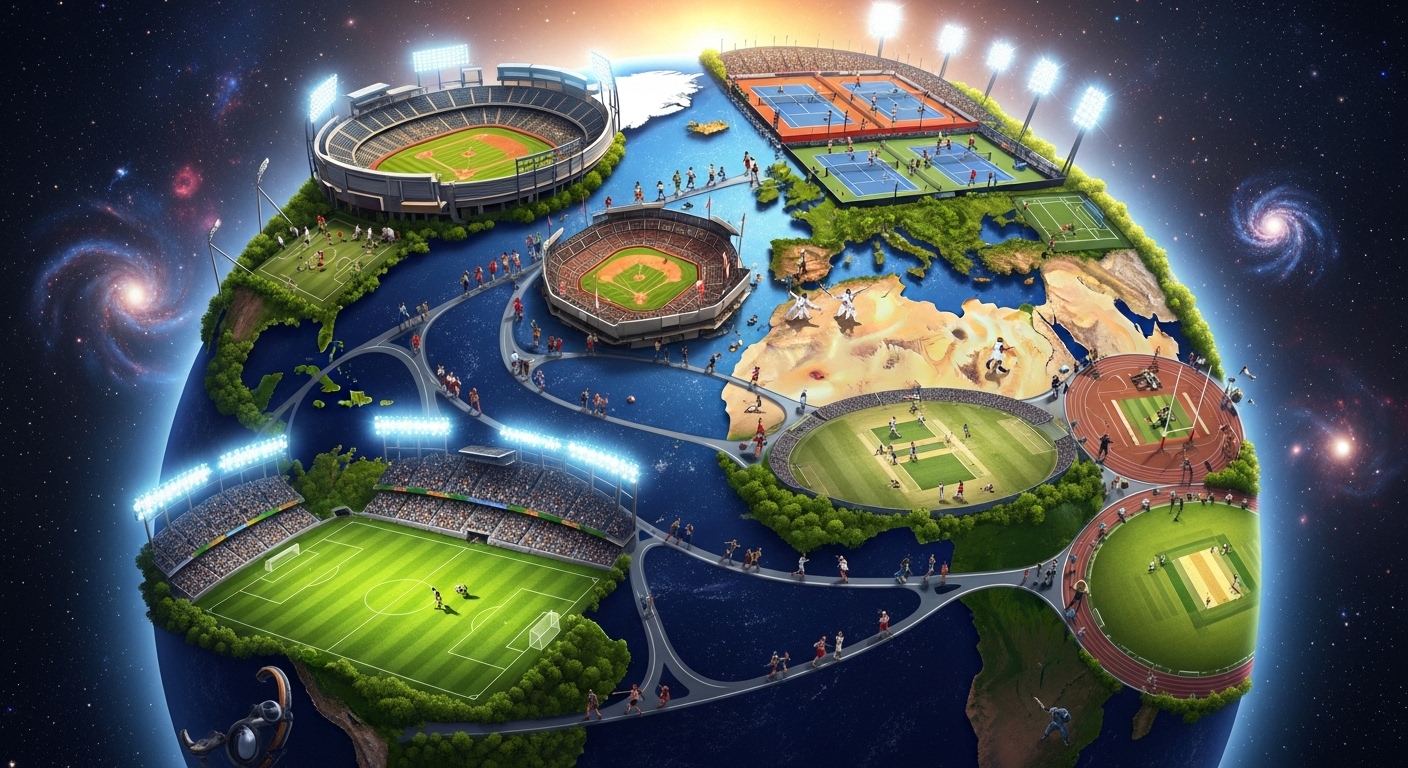
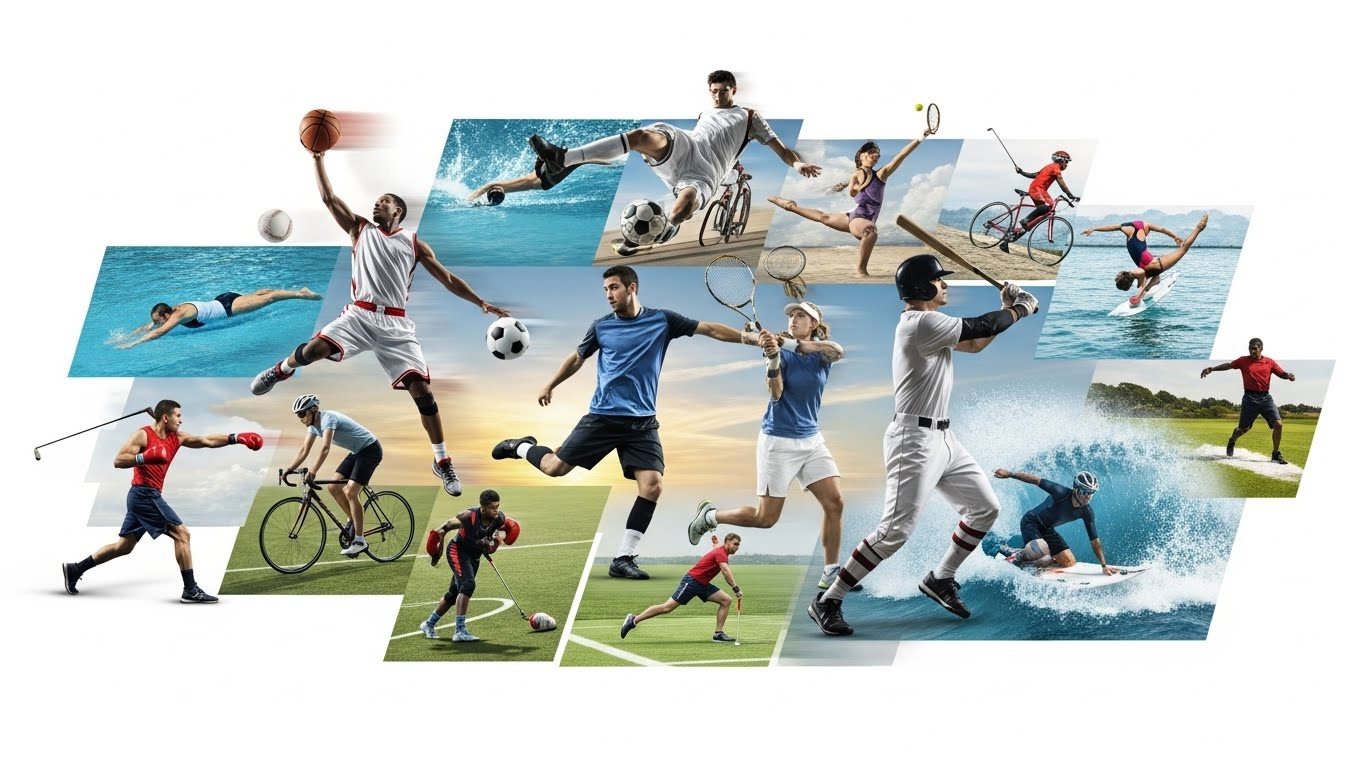
Sports have been a cornerstone of human society for thousands of years. From ancient Olympic games to modern-day football leagues, sports transcend time, culture, and borders. While many view sports merely as entertainment, their impact reaches far deeper. They serve as a powerful tool for personal growth, community building, and even societal transformation. In this blog post, we’ll explore the profound influence of sports in shaping our lives, health, culture, and economy.
The Unifying Force of Sports
One of the most remarkable aspects of sports is its ability to bring people together. Whether it’s a local community cheering on their favorite soccer team or nations competing on the world stage at the Olympics, sports have a unique power to unite individuals from diverse backgrounds. The sheer excitement and collective enthusiasm during a match create a shared experience that can bridge gaps between different races, religions, and nationalities.
In many parts of the world, sports serve as the glue that binds communities. Local football games, for example, often become more than just a sporting event. They foster a sense of pride and identity, where fans come together to support their teams, often blurring the lines between individual differences. When a community wins, it’s not just the team that celebrates, but everyone who supports it. This communal spirit is one of the most beautiful aspects of sports.
Sports as a Vehicle for Personal Growth
On a personal level, engaging in sports offers numerous benefits that extend far beyond physical fitness. Participation in sports builds character, discipline, and resilience. Athletes often learn valuable life skills like teamwork, time management, leadership, and how to handle success and failure. Whether you’re a professional athlete or a weekend warrior, sports provide a structured environment that fosters growth in both body and mind.
For instance, a basketball player who practices day in and day out learns the importance of perseverance. They face losses, injuries, and challenges but continue to push forward. Similarly, athletes gain the ability to set goals and work relentlessly toward them, an invaluable skill that can be applied to any aspect of life. Whether it’s in their career, relationships, or personal ambitions, the lessons learned through sports have a lasting impact.
The Health Benefits of Sports
The importance of physical activity cannot be overstated. Sports offer a fun and engaging way to stay fit, and the health benefits are immense. Regular participation in sports helps improve cardiovascular health, build muscle strength, increase flexibility, and enhance overall well-being. Physical exercise is also a powerful tool in managing weight, reducing stress, and combating mental health issues like anxiety and depression.
Engaging in sports not only contributes to physical health but also promotes mental clarity. When people engage in activities that require focus, such as playing tennis or running, they often experience a mental reset. The endorphins released during physical activity improve mood, reduce stress, and help individuals maintain a sense of mental balance. Many people turn to sports as a form of therapy, especially after a difficult day, finding solace in the rhythmic motion of exercise or the flow of the game.
Additionally, sports can help combat the modern sedentary lifestyle. In today’s fast-paced world, many people spend hours in front of screens for work or leisure. Regularly participating in sports offers an effective antidote to this digital overload. By prioritizing physical movement, people can reduce the risk of chronic illnesses like heart disease, diabetes, and obesity, ultimately leading to a healthier, longer life.
Sports and Mental Resilience
Mental resilience is a critical factor in overcoming life’s challenges, and sports play a key role in building this trait. In sports, setbacks are inevitable. Athletes may lose a game, miss a shot, or experience injuries. However, the key to success in sports is the ability to bounce back from those setbacks. This is where mental resilience is developed.
Sports teach individuals how to cope with failure, manage pressure, and stay focused under stress. These skills can be translated into everyday life. For example, someone who has learned to overcome a tough loss on the field may handle workplace stress or personal challenges with greater ease. The resilience cultivated through sports helps individuals navigate the highs and lows of life, making them stronger and more adaptable.
Moreover, many athletes deal with the mental pressure of competition, which often mirrors the pressures people face in their personal and professional lives. The ability to stay calm under pressure, strategize, and perform at the highest level of competition is a mindset that translates well into real-world situations.
Sports and Cultural Identity
Sports often serve as a reflection of a nation’s identity. From cricket in India to rugby in New Zealand, different sports are tied to the cultural fabric of specific regions. National pride runs high during international competitions, as fans root for their country’s team and celebrate their cultural uniqueness through the sport.
In addition, sports provide a platform for minorities and marginalized groups to showcase their talent and challenge societal norms. Historically, sports have been a way for underrepresented groups to gain visibility and break down barriers. Figures like Jackie Robinson, who broke the color barrier in Major League Baseball, or Serena Williams, who revolutionized tennis, demonstrate the power of sports to challenge stereotypes and promote social change.
Sports also allow individuals from different cultural backgrounds to come together and celebrate a shared love for the game. Multiculturalism is often highlighted in international competitions like the FIFA World Cup, where players and fans from around the world interact, exchanging ideas, traditions, and perspectives.
The Economic Impact of Sports
The sports industry is a massive economic engine, generating billions of dollars in revenue each year. From professional leagues like the NBA and Premier League to amateur sports clubs and local tournaments, the economic contributions of sports are immense. The global sports market encompasses everything from ticket sales, merchandising, media rights, sponsorships, and even the tourism industry.
Sports events, especially large ones like the Super Bowl, the World Cup, or the Olympics, stimulate local economies by bringing in thousands of tourists and creating jobs in hospitality, event management, and logistics. Cities that host such events see a significant boost in their economies, with local businesses reaping the rewards of the influx of visitors.
Additionally, sports play a vital role in community development. The investment in local sports teams and facilities encourages youth participation, which helps foster talent and creates opportunities for young people to pursue their dreams. Many communities also rely on sports as a means to promote healthy living, reduce crime, and offer safe spaces for young people to engage in productive activities.
The Social Responsibility of Sports
Sports are not just a means of entertainment or competition; they also have a social responsibility. Many athletes use their platforms to speak out on social issues and promote positive change. For example, athletes like Colin Kaepernick, Muhammad Ali, and Billie Jean King have used their careers to challenge injustice and advocate for social reform.
This activism within sports helps raise awareness about important issues and fosters dialogue among fans, media, and governments. Athletes who speak out on issues like racial inequality, gender discrimination, and environmental sustainability become ambassadors for change, using their influence to inspire others to take action.
In recent years, there has also been a growing focus on the importance of mental health awareness in sports. Professional athletes, who often face immense pressure and scrutiny, have been more open about their struggles with mental health. This has helped reduce stigma and create a safer environment for athletes and fans alike to discuss mental well-being.
Conclusion: The Timeless Power of Sports
Sports are much more than just games. They are a powerful tool for personal growth, a bridge that unites cultures, and a driving force in the economy. The impact of sports extends far beyond the playing field, influencing our physical and mental health, shaping our identities, and inspiring social change. Whether it’s the joy of a victory, the lessons learned from a loss, or the sense of belonging found in a community of fans, sports have an undeniable power to enrich our lives.
In a world that is often divided by differences, sports remain one of the few universal languages that can unite us all. Through sports, we learn to dream, to challenge ourselves, and to believe in the possibility of greatness. And in the end, it’s not just about winning—it’s about the journey, the relationships, and the moments that make us feel truly alive.