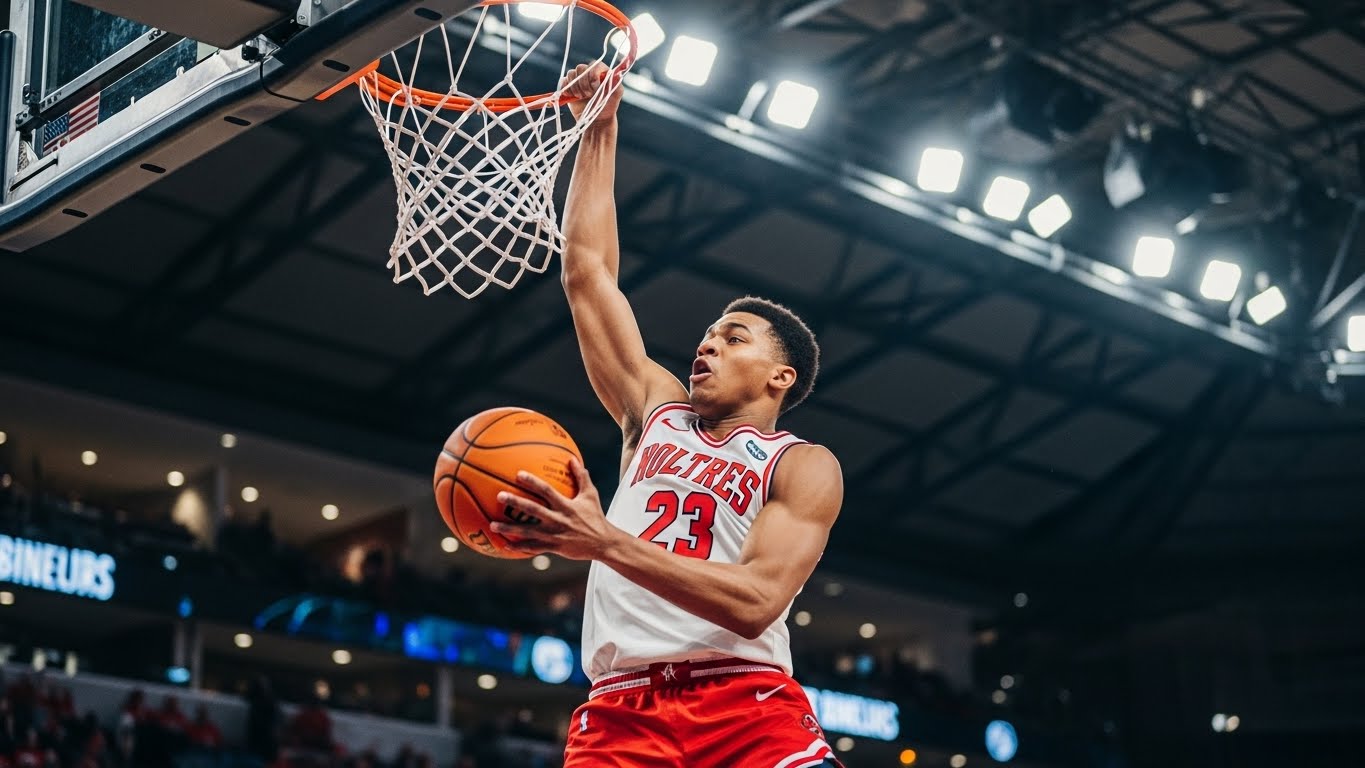

Sports have been an integral part of human culture for millennia, transcending borders, languages, and social divisions. From ancient Greek games to modern-day Olympic events, the impact of sports extends far beyond just physical fitness. It offers a holistic benefit to individuals, communities, and societies at large. Let’s explore why sports are so essential and how they shape our lives in profound ways.
The Physical Benefits of Sports
It’s no secret that engaging in sports improves physical health. Regular participation in physical activities such as running, swimming, or team sports like soccer and basketball helps keep the body in peak condition. It enhances cardiovascular health, improves muscle tone, and boosts overall endurance. Additionally, sports encourage weight management and reduce the risk of chronic diseases like diabetes, heart disease, and obesity.
But the physical benefits of sports go beyond just exercise. The intensity and variety of movement involved in sports help develop flexibility, coordination, and agility. These attributes are crucial not just for athletes but for everyday tasks, making sports a great foundation for lifelong mobility.
Mental Health: The Often Overlooked Benefit
While we often think of sports as a physical activity, the mental health benefits are equally, if not more, significant. Engaging in sports releases endorphins, which are the body’s natural mood boosters. This contributes to lower stress levels and improved mental well-being. Studies have shown that people who engage in regular sports activities experience reduced symptoms of anxiety and depression.
Additionally, sports teach important mental skills such as focus, discipline, and resilience. Athletes often face adversity, whether in the form of tough competition or physical injury. Overcoming these obstacles fosters a mindset that is adaptable and solution-oriented, helping athletes navigate challenges both on and off the field.
Sports as a Social Connector
Sports are a universal language. They bring people together from all walks of life, creating bonds and fostering a sense of community. Whether it’s through team sports, local leagues, or watching a game with friends, sports provide a platform for social interaction and connection.
Team sports, in particular, foster collaboration and teach the importance of teamwork. Individuals must work together, support each other, and communicate effectively to achieve a common goal. These experiences often translate into better interpersonal skills and stronger relationships outside of the sporting arena.
On a global scale, sports events such as the FIFA World Cup, the Olympics, and the Super Bowl unite people from different cultures and backgrounds. In these moments, the boundaries that divide us are momentarily erased, and we celebrate the shared joy of the game.
A Pathway to Personal Growth
Sports offer opportunities for personal growth in ways that few other activities can. The commitment to training, the perseverance through setbacks, and the drive to improve oneself are powerful lessons learned through sports. Every competition is an opportunity to measure personal progress and strive for excellence.
Athletes develop a mindset of continuous improvement, constantly pushing the limits of their abilities. These traits are valuable not only in sports but in any field of life. The skills of hard work, time management, and determination honed through sports often lead to success in academics, career, and personal endeavors.
The Role of Sports in Building Character
While the physical and social benefits of sports are often highlighted, one of the most profound impacts is on character development. Through sports, individuals learn valuable life lessons such as integrity, responsibility, and leadership. Fair play, respect for opponents, and handling victories or defeats with grace are all core values instilled in athletes.
Moreover, sports provide a platform for individuals to showcase leadership qualities. Whether leading a team on the field or motivating teammates in training, sports allow people to step into leadership roles, which can positively influence their personal and professional lives.
The Global Impact of Sports
Sports have the power to shape entire societies. Beyond individual benefits, sports can influence global culture and economics. Major sports events generate billions in revenue, create jobs, and stimulate local economies. They also have the power to address societal issues, raise awareness for important causes, and promote unity across nations.
For example, in some parts of the world, sports have been used as tools for social change, empowering marginalized communities and promoting peace in regions of conflict. The power of sport to inspire and bring about change is evident in the numerous initiatives aimed at using sport for social development, education, and youth engagement.
Conclusion: Sports as a Way of Life
In conclusion, sports offer much more than just a physical outlet. They are a gateway to enhanced mental health, social interaction, personal growth, and community building. The lessons learned through sports transcend the playing field, enriching our lives in profound and lasting ways. Whether you’re an elite athlete or a weekend warrior, the impact of sports on your well-being is undeniable. So, the next time you lace up your shoes, pick up your racket, or join a team, remember that you’re not just playing a game — you’re investing in your body, mind, and future.