
Introduction
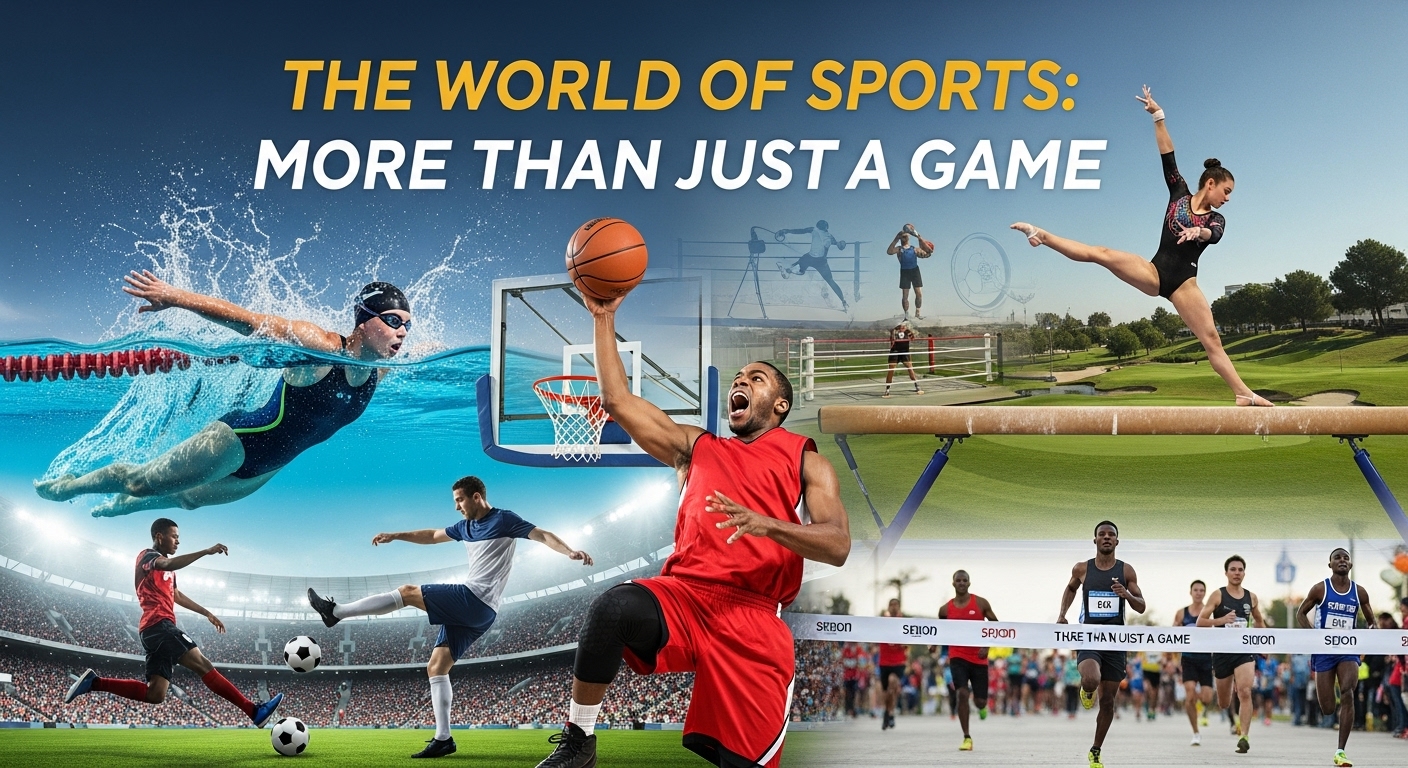
Sports are more than games; they influence culture, economy, health, and social cohesion. From grassroots leagues to global competitions like the Olympics, sports shape identities and bring people together. This blog explores how sports impact society, including economic benefits, health advantages, community development, and cultural significance.
Economic Impact
- Job Creation – Coaches, trainers, stadium staff, and sports media.
- Tourism – Major events like the World Cup and Olympics attract millions.
- Merchandising and Sponsorships – Jerseys, equipment, and fan engagement revenue streams.
- Sports Betting – Legalized betting markets boost economic activity (with regulation).
Health and Wellness
- Physical Health – Exercise reduces obesity, heart disease, and chronic illness.
- Mental Health – Sports improve mood, reduce anxiety, and build resilience.
- Youth Development – Encourages physical activity and healthy habits from a young age.
Social and Cultural Impact
- Community Building – Local clubs create social networks and belonging.
- Gender Equality – Women’s sports grow opportunities and visibility.
- Inspiration and Role Models – Athletes influence behavior and societal values.
- Cross-Cultural Exchange – International tournaments foster understanding and unity.
Sports and Education
- Scholarships – Access to education through athletic talent.
- Discipline and Teamwork – Core skills developed through sports participation.
- STEM Integration – Sports analytics, biomechanics, and engineering education.
Challenges in Society
- Corruption and Scandals – Match-fixing, doping, and governance issues.
- Accessibility Inequality – Socioeconomic factors limit opportunities for some.
- Overcommercialization – Focus on profit sometimes overshadows sportsmanship.
- Fan Violence – Safety and crowd control remain critical concerns.
Technology and Society
- Sports Analytics – Data-driven strategies improve performance and fan engagement.
- Broadcasting – Streaming and social media bring sports to a global audience.
- Virtual Training – VR and AR improve skills and create interactive fan experiences.
Future of Sports in Society
- Inclusivity and Diversity – Programs for disabled athletes and marginalized communities.
- Sustainability – Green stadiums, eco-friendly events, and long-term infrastructure.
- Digital Sports Expansion – Esports as a recognized cultural and economic entity.
- Global Collaboration – International cooperation through tournaments, training, and social initiatives.
Conclusion
Sports transcend competition. They drive economic growth, promote health, build communities, and influence culture globally. By fostering inclusivity, leveraging technology, and maintaining ethical standards, sports will continue to shape society for generations.