
Introduction
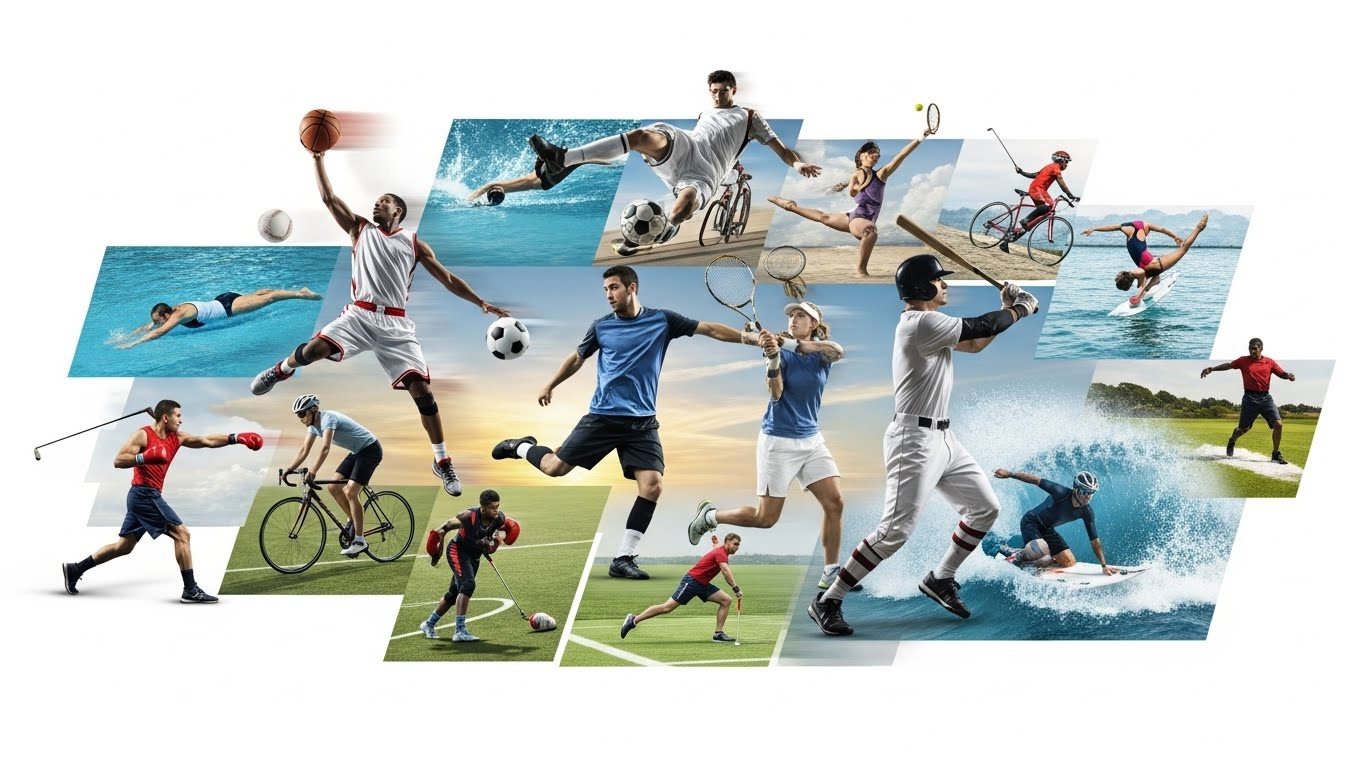
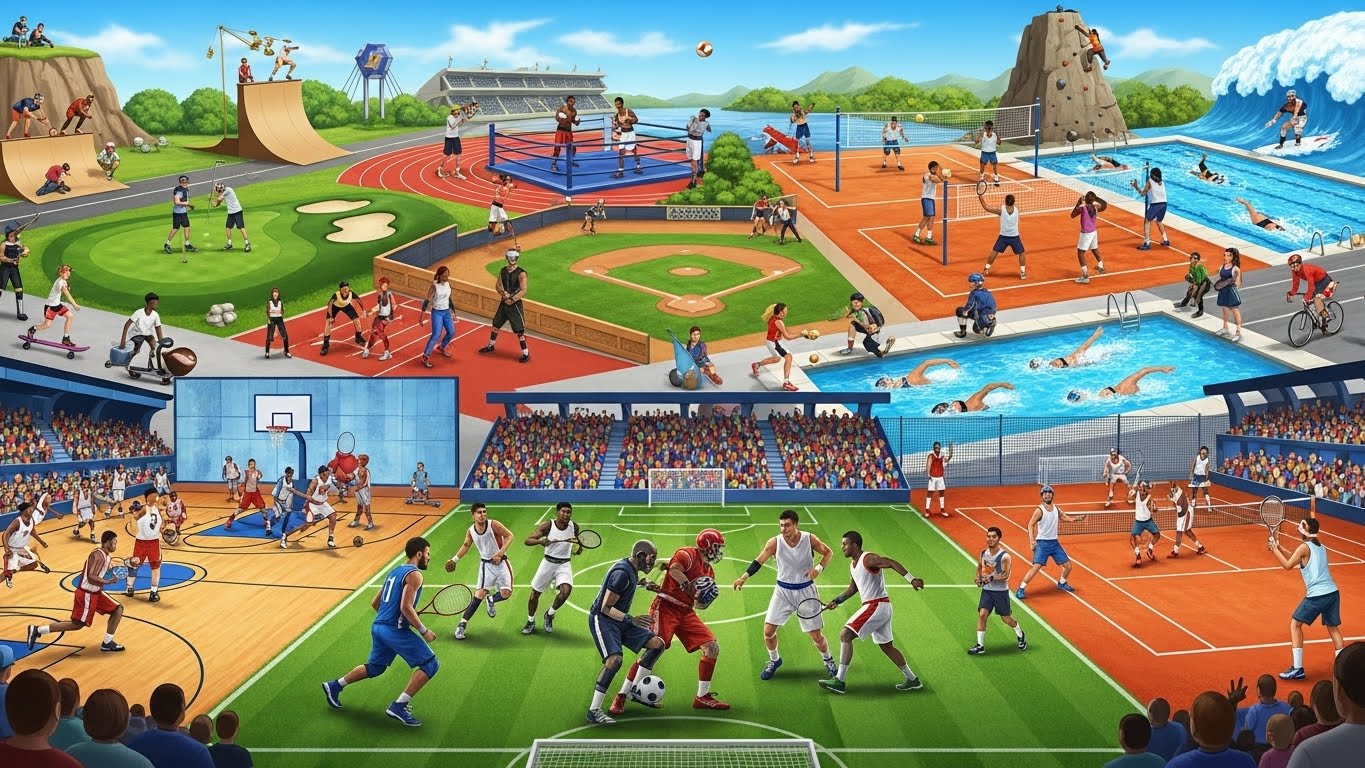
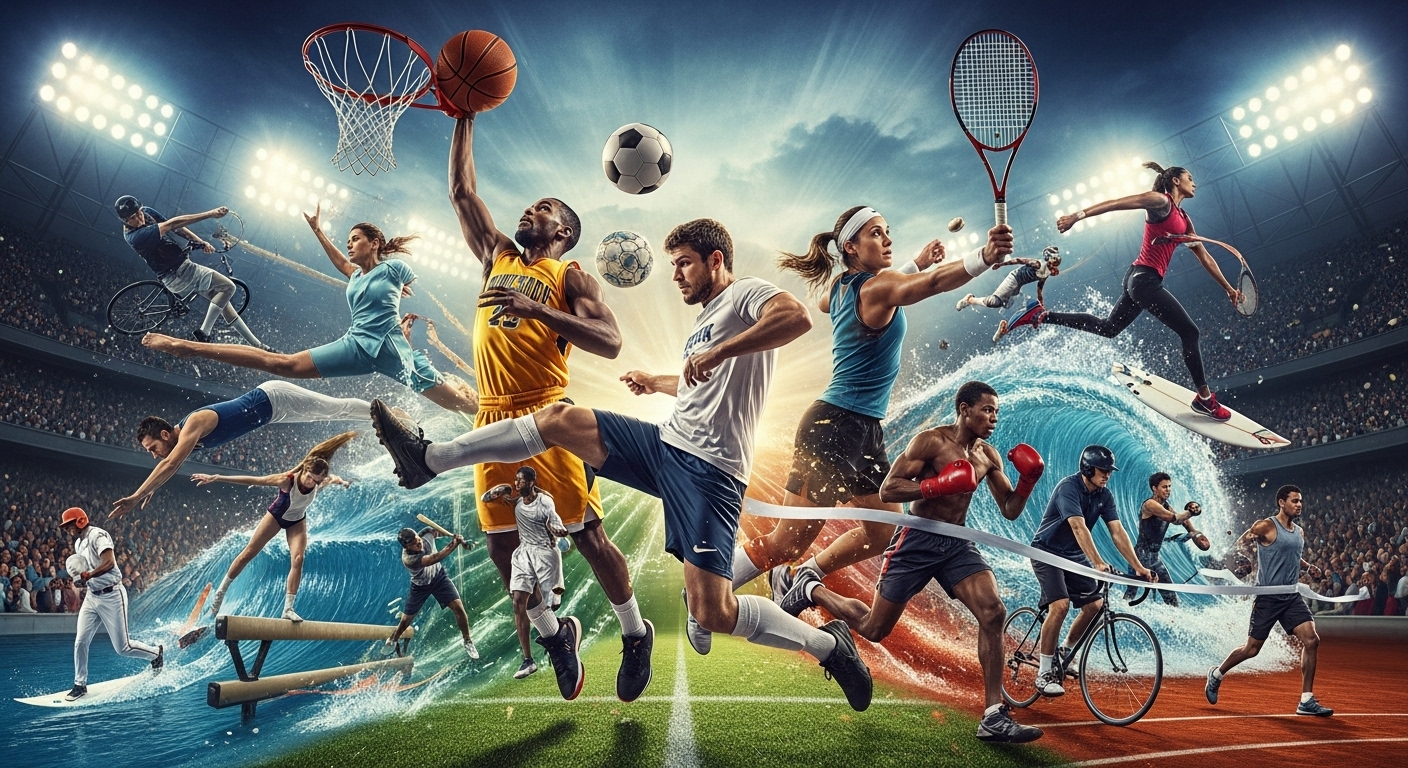
Sports are much more than physical contests or games played for trophies and fame. They are a reflection of human emotion, passion, and perseverance. From the roaring stadiums of football to the quiet focus of a chessboard, sports embody discipline, unity, and the will to overcome. They connect people of all ages, languages, and cultures under a single banner of competition and respect. In today’s world, where technology and social changes dominate daily life, sports continue to serve as a universal symbol of hope, strength, and identity. This blog explores the multifaceted world of sports—their history, cultural impact, emotional depth, and the way they shape the modern human experience.
The Origins of Sports: A Timeless Human Expression
The roots of sports can be traced back thousands of years, long before organized leagues or global tournaments. Early civilizations used physical contests for survival training, social bonding, and ritual celebrations. In ancient Greece, the Olympic Games were created to honor the gods and celebrate human excellence. Similarly, ancient Egypt held wrestling and archery contests, while China developed Cuju, an early form of football.
These games were not merely pastimes but sacred traditions that symbolized courage, honor, and balance. They taught discipline, fostered unity, and celebrated physical and mental strength. As civilizations evolved, these games became organized sports—codified, competitive, and more widely celebrated. This transformation marked the beginning of sports as a global phenomenon.
Sports as a Universal Language
In a world divided by borders, languages, and beliefs, sports stand as a unifying force. A goal scored, a record broken, or a medal won can evoke the same emotions of pride and joy across continents. Events such as world championships or the Olympics transform differences into diversity and competition into camaraderie.
Athletes from different nations may not speak the same language, yet they share the same drive to excel. Fans from around the world connect through their love of the game. This universal language of sports fosters mutual respect and reminds humanity that we are more alike than different.
The Power of Sports in Building Character
One of the greatest values of sports lies in their ability to shape personal character. Whether played professionally or casually, every game teaches lessons that extend beyond the field. Athletes learn perseverance through training, humility in defeat, and confidence in victory.
Sports demand discipline—players must commit to routines, maintain focus, and constantly push their limits. They also promote teamwork, as success often depends on cooperation and trust among players. These qualities translate into everyday life, helping individuals become responsible, resilient, and goal-oriented.
Physical and Mental Health Benefits of Sports
Sports play a vital role in maintaining physical and mental health. Regular participation improves cardiovascular health, strengthens muscles, enhances flexibility, and boosts stamina. It helps regulate body weight and reduces the risk of lifestyle-related diseases.
Equally important are the mental benefits. Exercise releases endorphins, chemicals in the brain that promote happiness and reduce stress. Engaging in sports helps combat anxiety, depression, and loneliness by fostering social interaction and positive energy. The sense of accomplishment that comes with mastering a skill or achieving a goal can greatly improve self-esteem.
The Economic and Cultural Impact of Sports
Sports are not only a source of entertainment but also a major economic and cultural force. The global sports industry generates billions through merchandise, broadcasting, sponsorships, and tourism. Major events like the World Cup or the Olympics bring nations together while creating employment opportunities and boosting local economies.
Culturally, sports act as a mirror of national identity. Countries often associate themselves with certain sports—cricket in India, football in Brazil, or baseball in the United States. Victories in these games spark national pride, while defeats become moments of collective reflection. Sports culture strengthens unity and provides a sense of belonging.
Technology and the Modern Transformation of Sports
Modern technology has revolutionized every aspect of sports. From advanced training equipment and performance-tracking devices to instant replay and digital broadcasting, innovation has made sports more efficient, accurate, and engaging.
Wearable technology allows athletes to monitor heart rate, speed, and endurance in real time. Data analytics help coaches design strategies and improve performance. Artificial intelligence and virtual reality are now used for training, helping athletes visualize techniques and refine movements.
For fans, technology has made sports more accessible than ever. Live broadcasts, digital scoreboards, and virtual engagement platforms bring global audiences closer to the action. The fusion of sports and technology ensures that this ancient human tradition continues to evolve with time.
Women in Sports: A Rising Wave of Empowerment
Women’s participation in sports has grown tremendously over the last century. Once excluded from major competitions, female athletes now stand as global icons of excellence and empowerment. Their achievements have challenged stereotypes, opened new opportunities, and inspired generations of young girls to pursue their dreams fearlessly.
From Serena Williams in tennis to Megan Rapinoe in football and Simone Biles in gymnastics, female athletes are redefining success and perseverance. Yet, challenges such as unequal pay, limited coverage, and gender bias still persist. Continued efforts toward equality and representation will ensure that women’s sports receive the recognition and respect they deserve.
Sports and Education: Lessons Beyond Classrooms
Incorporating sports into education is essential for holistic development. Schools and universities that promote athletics create well-rounded students who excel both mentally and physically. Sports teach values that textbooks cannot—teamwork, leadership, and emotional intelligence.
Young athletes learn to manage time, handle pressure, and build social connections. They also learn the importance of fair play and integrity—qualities that shape ethical citizens. Many educational institutions worldwide offer scholarships for talented athletes, showing that sports and academics can coexist and complement one another.
The Role of Fans: The Emotional Pulse of Sports
No discussion of sports is complete without acknowledging the fans. They are the heartbeat that gives life to every match. Their cheers, songs, and energy transform ordinary games into unforgettable experiences. The relationship between fans and their teams is emotional and often lifelong, rooted in identity and community.
Sports fandom creates strong social bonds. People from different backgrounds unite in support of a common team, forming friendships that transcend differences. Whether in a crowded stadium or a small living room, the shared joy of victory or heartbreak of defeat connects millions in a unique, emotional way.
Sports and Social Change
Throughout history, sports have been powerful tools for social transformation. They have challenged discrimination, promoted inclusion, and amplified voices for justice. Figures like Muhammad Ali, Jackie Robinson, and Nelson Mandela demonstrated how sports can be used to advocate for equality and human rights.
Modern athletes continue to use their platforms to raise awareness on issues like racism, gender equality, and mental health. Their courage to speak out inspires fans and brings global attention to important causes. Sports, therefore, are not just a form of recreation—they are an instrument of social progress.
The Ethics of Fair Play
At the heart of sports lies the principle of fair play. Integrity, respect, and honesty are the foundation of true competition. Unfortunately, modern sports often face challenges such as doping, corruption, and match-fixing, which undermine the spirit of the game.
Promoting fair play ensures that sports remain pure and meaningful. It teaches that victory achieved through honesty is worth far more than success gained through deceit. Upholding ethics in sports preserves trust, respect, and admiration for athletes and teams alike.
Youth and the Future of Sports
The youth represent the future of sports. Encouraging children and young adults to engage in athletics builds the next generation of champions, leaders, and innovators. Schools, families, and communities must provide opportunities for participation, especially in areas where resources are limited.
When young people engage in sports, they develop habits of health, teamwork, and perseverance that last a lifetime. Youth sports also play a critical role in reducing crime, improving academic performance, and promoting social inclusion. Investing in youth sports means investing in a stronger and healthier future for society.
Challenges Facing the Modern Sports World
Despite its glory, the modern sports world faces significant challenges. Over-commercialization has sometimes shifted focus from passion to profit. Media pressure and unrealistic expectations can lead to burnout and mental stress among athletes. Additionally, the rise of social media exposes players to constant public scrutiny, often leading to privacy concerns.
To preserve the integrity and joy of sports, organizations must prioritize athlete welfare, mental health, and ethical governance. Sustainable sports management ensures that the spirit of competition remains alive for generations to come.
The Future of Sports: Blending Tradition with Innovation
The future of sports is bright, dynamic, and increasingly diverse. With globalization, new sports are gaining recognition, and traditional games are reaching new audiences. Esports, for instance, has emerged as a digital form of competition, attracting millions of players and fans worldwide.
At the same time, sustainability is becoming a key focus. Green stadiums, eco-friendly events, and environmental awareness campaigns are transforming how sports are organized. Technology, inclusivity, and innovation will continue to shape the next era of sports, ensuring they remain relevant and inspiring in a fast-changing world.
Conclusion
Sports are the heartbeat of humanity—a universal rhythm that unites, inspires, and uplifts. They embody the best of who we are and what we can become. Whether through the triumph of a gold medalist, the teamwork of a local club, or the simple joy of a child kicking a ball, sports continue to shape the fabric of human life.
They remind us that victory is not just measured in points or medals but in the courage to participate, the integrity to play fair, and the strength to rise after every fall. As long as there are people who dream, compete, and believe, the spirit of sports will never fade. It will continue to beat at the heart of humanity—powerful, uniting, and eternal.