Introduction: Sports as a Way of Life
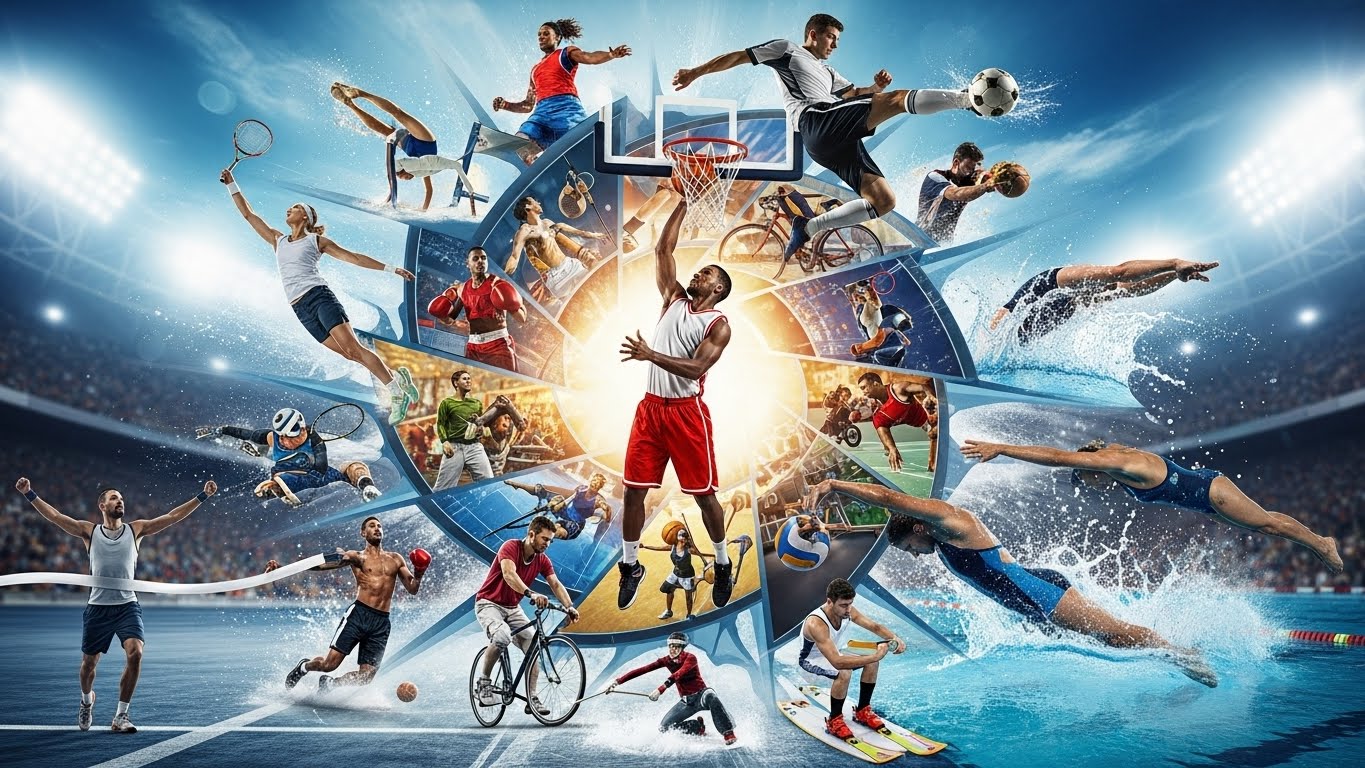
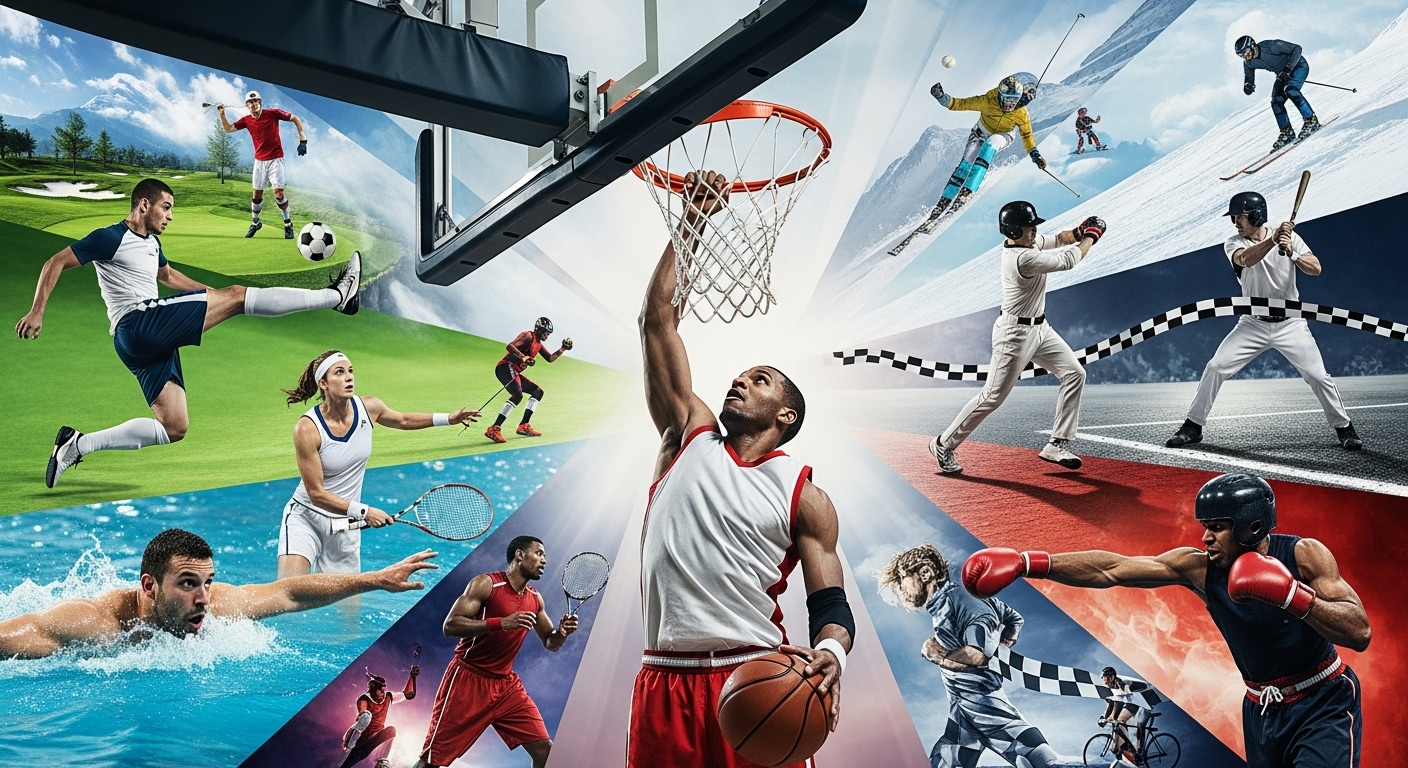
Sports are more than mere games; they are a reflection of human ambition, perseverance, and creativity. Across every continent and culture, sports play a role in shaping identities, inspiring communities, and instilling discipline. From the laughter-filled playgrounds of children to the roaring stadiums of international tournaments, sports influence physical health, mental strength, and social cohesion. They are a universal language that communicates determination, teamwork, and the pursuit of excellence. This blog explores the multifaceted impact of sports on individuals, communities, and the world.
The Evolution of Sports Through History
The origins of sports are deeply rooted in human civilization. Ancient societies used games for ritual, training, and entertainment. The Olympic Games in Greece emphasized physical fitness, strategy, and honor, while ancient Chinese martial arts combined combat skills with spiritual practice. Over centuries, informal contests evolved into organized competitions with defined rules and international recognition.
In modern times, sports have become a global phenomenon. From football and basketball to athletics and swimming, sports now bring millions together in shared excitement. Despite technological advancements and commercialization, the core values of sports—discipline, courage, and teamwork—remain unchanged.
Physical Benefits of Sports
The health benefits of sports are immense. Engaging in regular physical activity strengthens the cardiovascular system, improves muscle tone, enhances flexibility, and builds endurance. Aerobic exercises like running, swimming, and cycling enhance heart health and overall stamina. Strength-focused sports like weightlifting and gymnastics improve power, coordination, and balance.
Sports also play a crucial role in preventing chronic illnesses. Active individuals are less likely to suffer from obesity, diabetes, and heart disease. Physical activity improves metabolism, energy levels, and immunity. Beyond health, sports cultivate a sense of vitality and resilience that contributes to a longer, healthier life.
Mental Benefits: Sharpening the Mind
The advantages of sports extend to mental well-being. Exercise releases endorphins, natural chemicals that boost mood and reduce stress. Athletes report lower levels of anxiety and depression due to the psychological effects of physical activity. Sports also cultivate focus, concentration, and decision-making skills, especially in high-pressure scenarios.
Team sports enhance problem-solving abilities and promote strategic thinking. Individual sports develop self-discipline, patience, and mental resilience. Consistent engagement in sports builds confidence, encourages emotional regulation, and teaches individuals to navigate setbacks with grace.
Life Lessons from Sports
Sports serve as a microcosm of life, teaching invaluable lessons. Discipline is central—athletes must adhere to strict training schedules, follow rules, and maintain consistent effort. Team sports emphasize collaboration, communication, and mutual respect. Players learn to trust teammates, work toward common goals, and celebrate collective achievements rather than individual glory.
Individual sports, on the other hand, teach perseverance and self-reliance. Athletes face challenges alone, learning to push their limits and adapt strategies for success. Experiencing failure and setbacks fosters resilience, encouraging athletes to treat obstacles as opportunities for growth. Leadership and ethical behavior also emerge through sports, preparing individuals for responsibilities in broader life contexts.
Social Impact: Building Communities Through Sports
Sports possess a unique power to bring communities together. Local leagues, school competitions, and neighborhood games create bonds among participants and spectators alike. Communities unite around teams, celebrating victories and supporting athletes through defeats.
Large sporting events can stimulate local economies by generating employment, increasing tourism, and improving infrastructure. Hosting national or international competitions often leads to better stadiums, enhanced transportation, and upgraded public facilities. Sports also provide a platform for social advocacy. Athletes often champion causes such as education, environmental sustainability, and human rights, inspiring action and awareness within communities.
Global Influence: Connecting Cultures
Sports have the remarkable ability to bridge cultural divides. International competitions, such as the Olympics and World Cup, bring together participants and spectators from diverse backgrounds. Fans and athletes alike share in the excitement, creating a sense of global unity.
These events highlight diversity in playing styles, strategies, and traditions, fostering mutual respect and understanding. Sports encourage diplomacy and friendship among nations, demonstrating that despite differences, people can connect through shared passion and admiration for skill and determination.
Women in Sports: Breaking Barriers
The role of women in sports has transformed over the years. Female athletes continue to achieve remarkable milestones, challenge gender stereotypes, and inspire future generations. Their participation promotes gender equality, leadership opportunities, and empowerment.
Programs supporting girls’ sports participation improve confidence, health, and leadership skills. Women athletes serve as role models, encouraging young girls to pursue their ambitions and reinforcing the idea that talent and dedication are not defined by gender. The growing recognition of women’s sports continues to reshape perceptions and expand opportunities worldwide.
Technology and Innovation in Sports
Modern technology has revolutionized how sports are played, analyzed, and experienced. Wearable devices track heart rate, speed, and performance metrics, allowing athletes to optimize training and prevent injuries. Video analysis and virtual simulations enhance strategy and skill development.
For fans, technology offers unprecedented engagement. Live streaming, instant highlights, and interactive experiences bring audiences closer to events. Smart stadiums incorporate digital ticketing, real-time updates, and energy-efficient designs, enriching the spectator experience. Technology ensures that sports remain exciting, accessible, and sustainable for future generations.
Youth Sports: Nurturing Future Leaders
Youth sports play a critical role in physical, mental, and social development. Children engaged in sports develop coordination, stamina, and healthy habits. Team sports teach cooperation, empathy, and problem-solving, while individual sports foster focus, independence, and self-confidence.
Participation in youth sports also creates safe environments for exploration, friendship, and growth. Early involvement instills discipline, resilience, and leadership skills. Encouraging children to play sports not only benefits their personal development but strengthens communities by fostering engaged, capable future citizens.
Sportsmanship: The True Spirit of Competition
Sportsmanship is the foundation of ethical and fair competition. It emphasizes respect for opponents, officials, teammates, and the rules of the game. Winning with humility and losing with dignity are hallmarks of sportsmanship.
Athletes who exhibit sportsmanship set examples for others, teaching the importance of integrity, fairness, and empathy. Beyond the field, these values influence personal interactions and professional conduct, demonstrating that sports are as much about character as skill.
The Future of Sports
The future of sports is shaped by innovation, inclusivity, and sustainability. Emerging technologies will continue to enhance training, safety, and fan engagement. Eco-friendly practices, such as energy-efficient stadiums and sustainable event management, are becoming central to modern sports.
Inclusion remains a priority, offering opportunities for women, differently-abled athletes, and marginalized groups. Adaptive sports, esports, and mixed-gender competitions reflect an evolving sporting landscape. As long as people value challenge, teamwork, and passion, sports will remain an essential part of human life, inspiring individuals and uniting communities worldwide.
Conclusion: Sports as a Reflection of Life
Sports are a celebration of human potential. They strengthen bodies, sharpen minds, foster social bonds, and teach essential life skills. They unite communities, bridge cultures, and inspire future generations to dream bigger and strive harder.
Whether experienced as a participant, spectator, or supporter, sports demonstrate the importance of perseverance, teamwork, and integrity. They remind us that success is measured not just by victories but by effort, resilience, and character. In every match, race, or game, sports reflect the journey of life itself—a pursuit of excellence, growth, and shared joy.