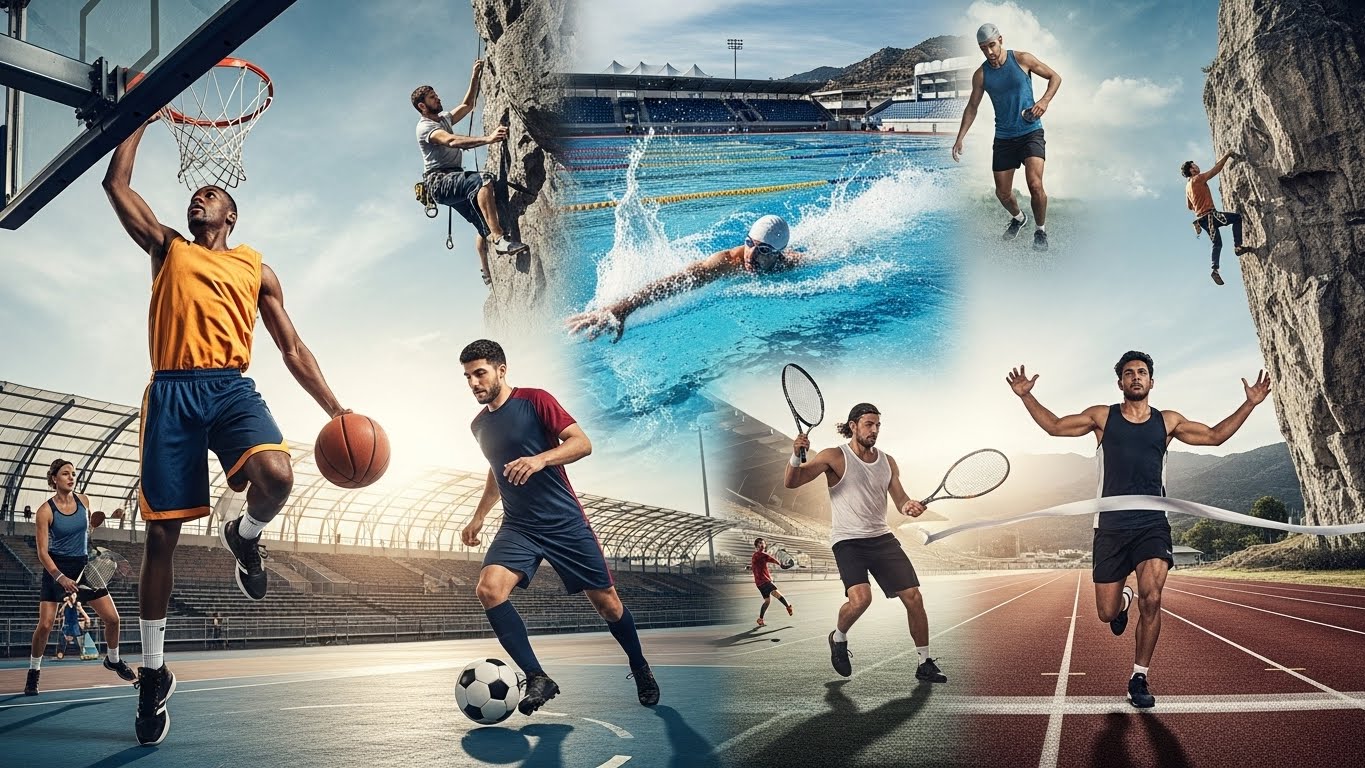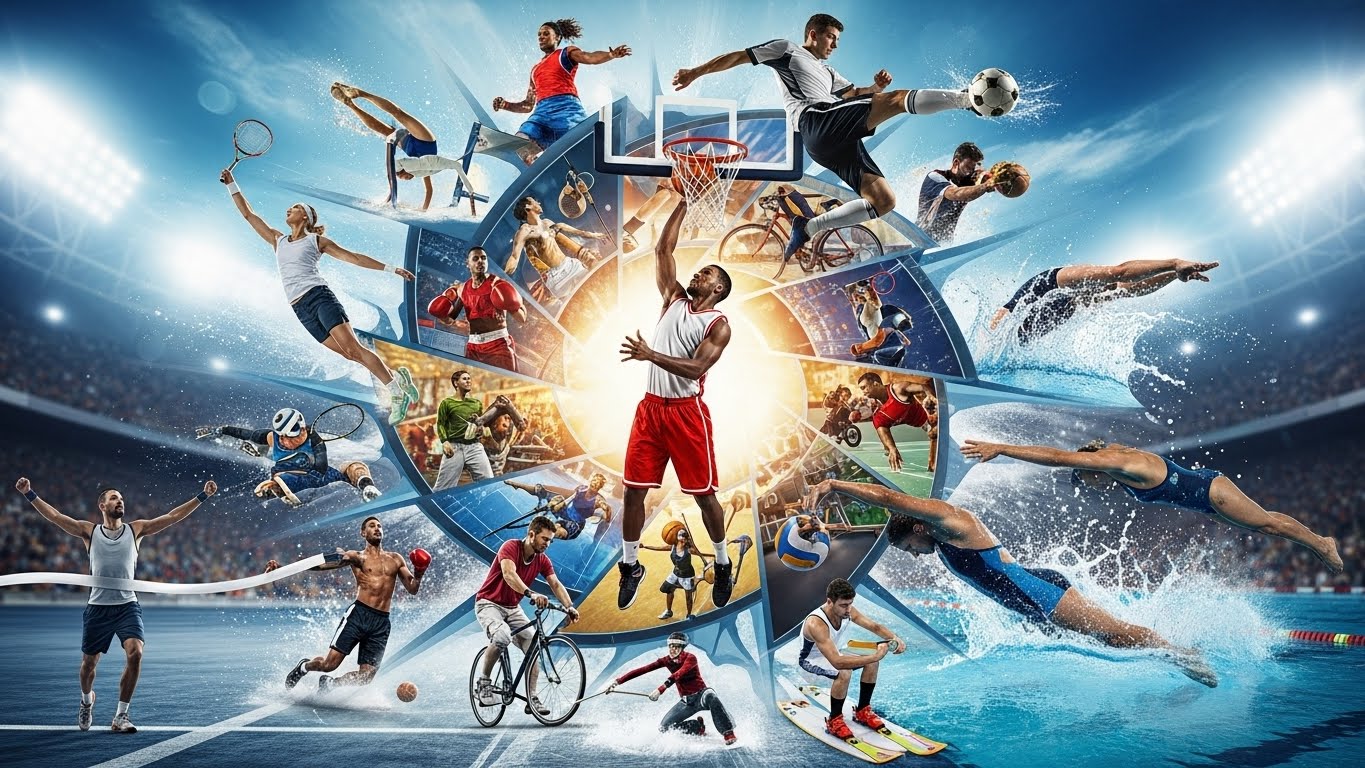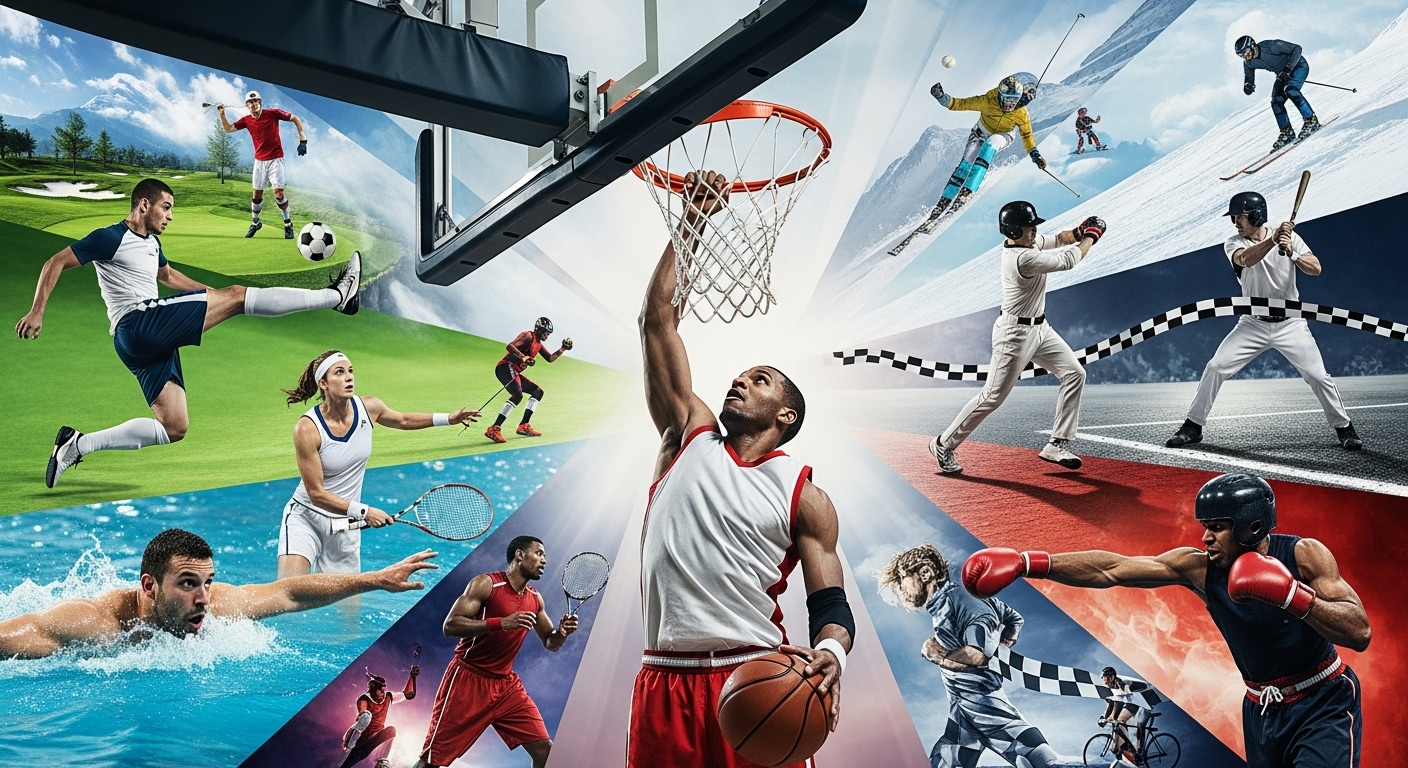
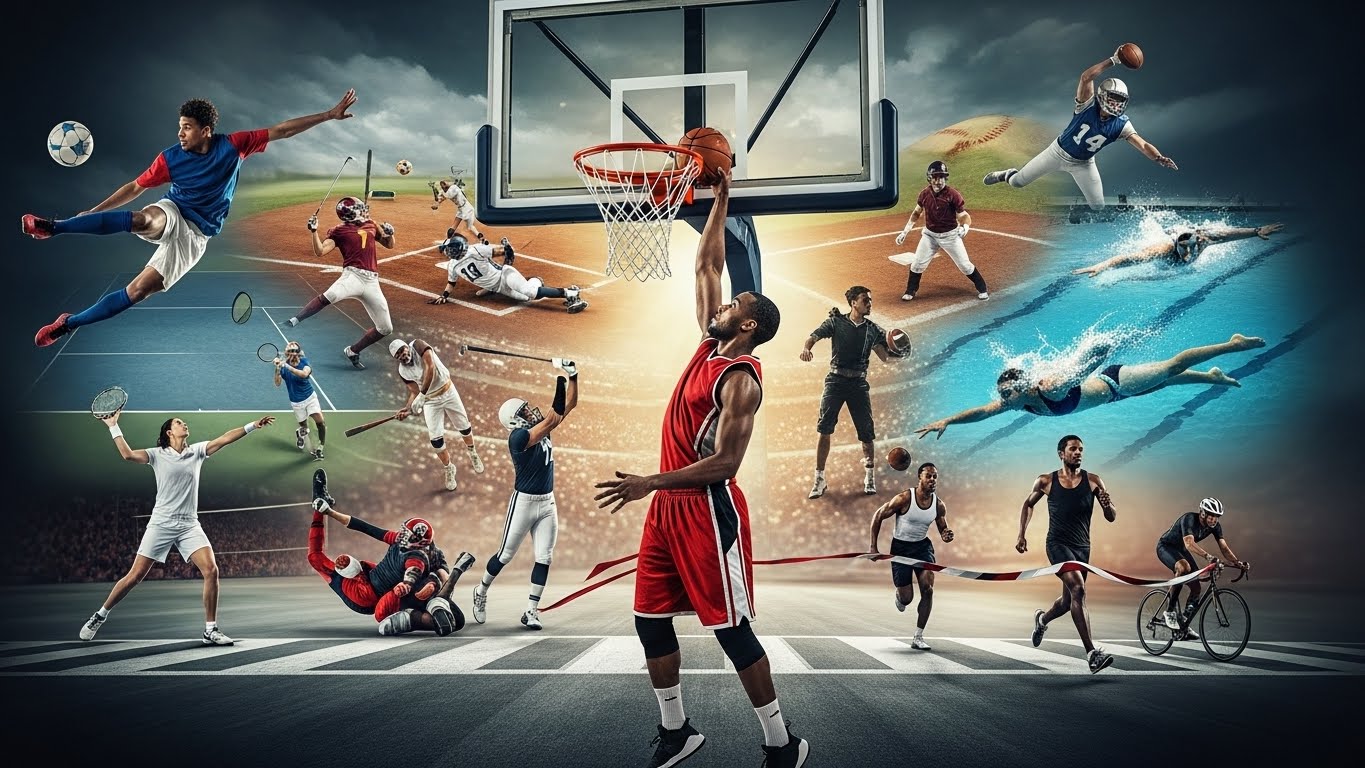
Sports have always been more than just a competition between teams or individuals. They are a universal language that unites people, teaches life lessons, and inspires communities. From local playgrounds to global arenas, sports impact our physical, mental, and social well-being in ways that few other activities can. In this blog, we will explore the many dimensions of sports, their cultural significance, their influence on personal development, and their growing role in shaping society.
The Emotional Connection Sports Create
One of the most remarkable aspects of sports is their ability to evoke deep emotions. Whether it’s the thrill of a last-minute goal, the tension during a crucial penalty, or the joy of witnessing a personal best in a race, sports connect us to our feelings in ways that few other experiences can. Fans experience highs and lows alongside athletes, creating a sense of shared excitement that transcends individual experience.
This emotional bond explains why people follow sports passionately, wearing team colors, celebrating victories, and mourning losses as if they were personal. Sports give people stories to tell, memories to cherish, and moments that define entire generations. The emotional power of sports extends beyond the field, fostering empathy and shared experiences across communities and nations.
Sports as a Bridge Between Communities
Sports serve as a powerful tool to bring people together. Whether it is a small neighborhood match or an international championship, sports create spaces where individuals from diverse backgrounds can interact and bond. In stadiums and local sports grounds, fans experience a unique sense of unity, cheering for a common cause regardless of age, gender, or social status.
Community-based sports programs also play a vital role in fostering inclusivity. Children and adults who participate in local leagues develop friendships, learn collaboration, and feel a sense of belonging. These programs not only improve physical health but also help build stronger communities where people work together, support each other, and share collective experiences. Schools and universities further highlight the role of sports in cultivating school spirit and a sense of identity among students.
Personal Growth Through Sports
Sports are essential for personal development. Athletes, whether amateur or professional, acquire skills that go far beyond physical fitness. Teamwork, leadership, discipline, and time management are all honed through regular practice and competition. Individuals learn to set goals, handle pressure, and face challenges with resilience.
One of the most important lessons sports teach is how to deal with failure. Losing a match or performing below expectations can be disheartening, but athletes learn to view setbacks as opportunities for growth. This mindset translates to everyday life, enabling individuals to overcome obstacles, make better decisions, and persist in the face of adversity. Sports also promote mental health by reducing stress, boosting self-confidence, and encouraging a positive outlook on life.
The Rise of Women in Sports
The evolution of women’s sports has been a defining feature of modern athletics. Female athletes are breaking barriers, achieving record-breaking performances, and inspiring young girls worldwide. Their achievements are reshaping perceptions about gender roles and promoting equality in sports at all levels.
Increased visibility of women in sports also empowers future generations. Young girls now aspire to become professional athletes, coaches, or sports leaders, seeing role models who demonstrate that talent and dedication are more important than gender. The growth of women’s leagues and international competitions contributes to a more inclusive sporting culture, benefiting society as a whole.
Technology and Innovation in Sports
Technology has revolutionized the way sports are played, analyzed, and experienced. Modern athletes use wearable devices to monitor heart rate, speed, and performance, allowing them to optimize training and prevent injuries. Coaches rely on data analytics to design strategies, evaluate opponents, and enhance team performance.
For fans, technological advancements have created more immersive viewing experiences. High-definition broadcasts, instant replays, and virtual reality platforms enable audiences to feel closer to the action than ever before. The combination of technology and sports is not limited to professional arenas; amateur athletes and local enthusiasts benefit from apps, fitness trackers, and online training resources, making sports more accessible and engaging.
Sports as a Cultural Phenomenon
Sports reflect the values and traditions of societies worldwide. Certain sports are closely associated with national identity, shaping cultural narratives and fostering national pride. Events like international tournaments or the Olympic Games transcend borders, creating shared experiences that unite people across continents.
Sports also serve as a form of storytelling. Iconic athletes and historic matches become part of collective memory, inspiring art, literature, and media. This cultural significance reinforces the idea that sports are more than physical contests—they are expressions of human creativity, resilience, and ambition.
Economic Impact of Sports
Sports have a substantial economic influence. Professional leagues, sponsorship deals, merchandise sales, and sports tourism generate billions of dollars annually. Large sporting events create employment opportunities, stimulate local businesses, and attract international visitors, boosting regional economies.
Even at the grassroots level, sports contribute economically. Local tournaments, fitness centers, and sports academies create jobs and promote healthy lifestyles that reduce long-term healthcare costs. The economic impact of sports extends beyond money, fostering innovation, entrepreneurship, and community development.
The Role of Sports in Education
Educational institutions increasingly recognize the importance of sports in holistic development. Participation in school and college sports enhances academic performance by teaching discipline, time management, and focus. Students involved in athletics often show higher levels of motivation and social engagement.
Sports also provide pathways for scholarships and career opportunities. Talented athletes can pursue higher education while developing their athletic skills, creating a balance between intellectual and physical growth. Through education, sports instill values such as fair play, integrity, and responsibility, preparing students for success both on and off the field.
Future Trends in Sports
The future of sports promises exciting developments. Esports have emerged as a major competitive arena, attracting millions of players and spectators worldwide. Traditional sports are also evolving with innovations in training, nutrition, and injury prevention.
Sustainability is becoming a priority for sports organizations. Eco-friendly stadiums, green travel initiatives, and waste reduction programs reflect a commitment to environmental responsibility. Additionally, the mental health of athletes is gaining recognition, with teams and organizations offering support systems to help athletes cope with pressure and expectations.
Technology will continue to shape sports, from AI-driven performance analysis to immersive fan experiences. These advancements ensure that sports remain dynamic, inclusive, and engaging for generations to come.
Why Sports Will Always Matter
Sports matter because they touch the core of human experience. They challenge our limits, teach perseverance, and foster connections. They inspire people to dream bigger, work harder, and embrace challenges with courage.
Whether you are an athlete pushing your boundaries, a fan cheering from the sidelines, or someone who enjoys casual participation, sports offer lessons and experiences that extend far beyond the field. They remind us that success is not just about winning, but about growth, teamwork, and the joy of participation.
In a world that constantly changes, sports remain a constant force—uniting communities, inspiring individuals, and shaping cultures. Their impact is timeless, proving that the spirit of competition, collaboration, and resilience will continue to enrich human life for generations.