
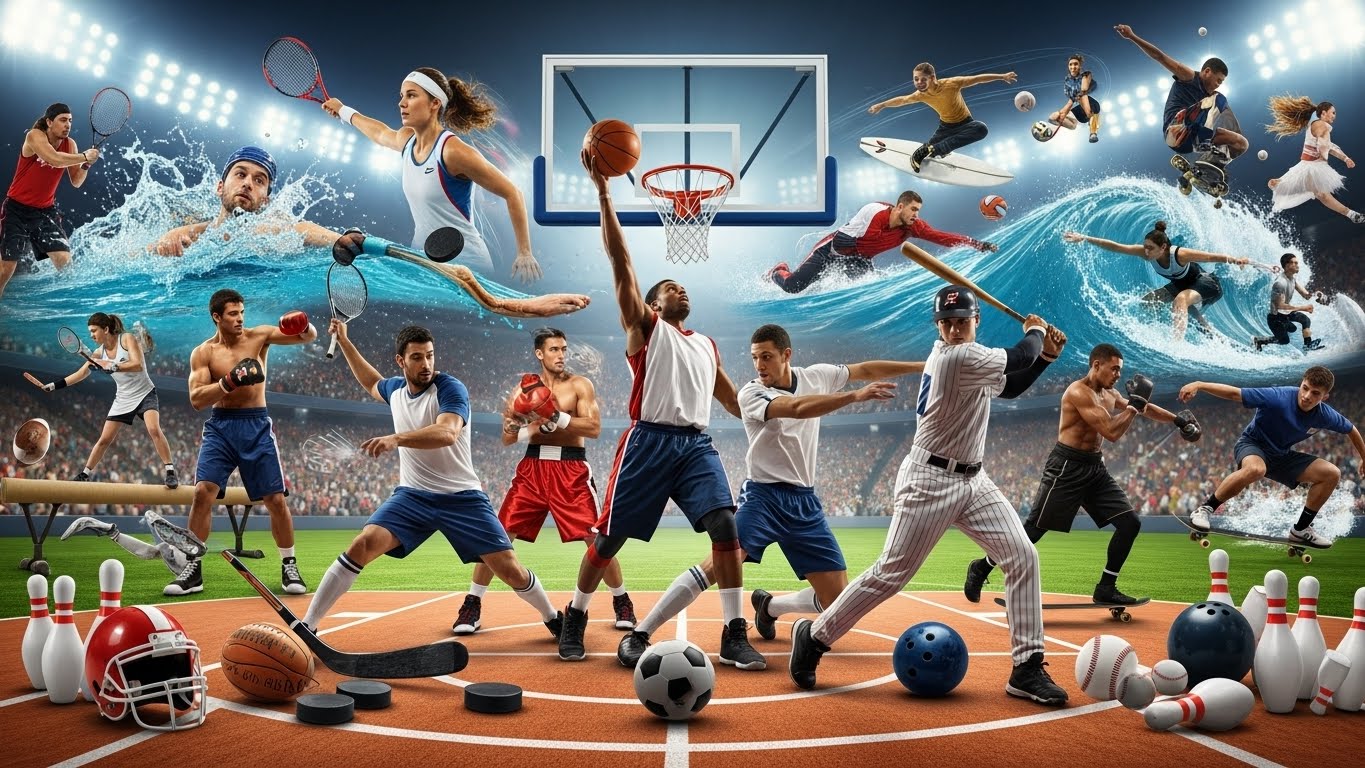
Sports are much more than just games played on fields, courts, or tracks. They are a reflection of human passion, discipline, and the quest for excellence. Across cultures and generations, sports have served as a unifying force, a platform for personal growth, and a symbol of national pride. In this blog, we will explore the multifaceted world of sports and understand how they influence our lives beyond the final score.
The Universal Language of Sports
One of the most remarkable aspects of sports is their ability to transcend cultural and linguistic barriers. A soccer match in Brazil, a cricket game in India, or a basketball tournament in the United States can evoke similar emotions of excitement, anticipation, and teamwork. Sports create shared experiences that unite people from different walks of life. Even if spectators do not speak the same language, the thrill of watching a goal scored or a match won creates a sense of collective joy.
Sports also teach values that are universal. Fair play, respect for opponents, perseverance, and discipline are integral to any sport. These principles are not just limited to the playing field; they extend to our daily lives, shaping character and ethical behavior.
Physical Health: The Obvious Benefit
The health benefits of sports are widely recognized, but their importance cannot be overstated. Engaging in regular physical activity strengthens the heart, improves lung capacity, and enhances muscle strength. Sports such as swimming, running, and cycling promote cardiovascular health, while weight-bearing activities like tennis or basketball help in building stronger bones.
Beyond the physical, sports contribute significantly to mental health. Regular exercise releases endorphins, which reduce stress and anxiety. Sports also provide an outlet for energy, helping individuals channel their emotions in a productive manner. Children and adults alike benefit from increased focus, better sleep, and improved overall well-being through consistent participation in sports activities.
Mental Toughness and Resilience
Sports are a masterclass in building mental resilience. Athletes constantly face challenges, setbacks, and competition, which demand mental strength as much as physical prowess. Losing a game, recovering from an injury, or dealing with performance pressure teaches valuable lessons about persistence and adaptability.
For example, long-distance runners learn to push through fatigue, swimmers develop the patience to perfect their strokes, and team players understand the importance of working toward a common goal despite personal obstacles. These experiences cultivate resilience, which can be transferred to academic, professional, and personal life challenges. Sports, in essence, are a metaphor for life’s hurdles and the determination needed to overcome them.
Teamwork: Lessons Beyond the Field
While individual sports showcase personal skill, team sports emphasize collaboration and cooperation. In basketball, soccer, or volleyball, players must communicate effectively, anticipate each other’s actions, and trust teammates to achieve success. These skills extend beyond sports into the workplace and community.
Teamwork in sports teaches compromise, leadership, and empathy. A player who sacrifices personal glory for the success of the team demonstrates an understanding of collective achievement. These lessons are invaluable for building strong relationships, fostering collaboration, and developing leadership skills that last a lifetime.
Sports as a Platform for Social Change
Throughout history, sports have served as a catalyst for social change. Iconic athletes have used their platforms to challenge injustice, advocate for equality, and inspire communities. From breaking racial barriers to promoting gender equality, sports have often been at the forefront of societal transformation.
Athletes like Muhammad Ali, Billie Jean King, and Serena Williams did not just excel in their respective sports; they challenged societal norms and opened doors for future generations. Their courage demonstrates that sports can be a powerful tool for empowerment, offering visibility and influence that transcend the boundaries of the game itself.
Technology and Modern Sports
The evolution of sports is deeply intertwined with technological advancements. Modern equipment, analytics, and training techniques have transformed how athletes prepare and perform. Wearable devices monitor heart rate, speed, and efficiency, providing data-driven insights that optimize performance. Video analysis allows coaches to study opponents and refine strategies, giving teams a competitive edge.
Technology has also enhanced fan engagement. Instant replays, virtual experiences, and live statistics allow spectators to feel closer to the action than ever before. Social media platforms enable fans to connect directly with athletes, creating a global community united by passion for sports. The integration of technology ensures that sports remain dynamic, exciting, and continuously evolving.
Youth Sports: Building the Next Generation
Participation in youth sports offers far-reaching benefits. Beyond physical fitness, it nurtures discipline, time management, and social skills. Young athletes learn to handle success and failure gracefully, develop confidence, and build lifelong friendships. Structured sports programs also provide a safe and supportive environment, encouraging children to explore their potential and develop a strong sense of identity.
Parents and educators play a crucial role in fostering a positive sports experience. Encouragement, guidance, and emphasis on enjoyment over competition help cultivate a healthy relationship with sports. Early exposure to sports can instill values and habits that persist into adulthood, promoting a well-rounded and resilient generation.
The Global Sports Industry
Sports are not only a source of personal development but also a significant economic force. Professional leagues, tournaments, and international competitions generate billions of dollars in revenue. From ticket sales to merchandising and sponsorships, the sports industry fuels employment, tourism, and investment worldwide.
Moreover, sports contribute to cultural exchange. International events such as the Olympics or World Cup bring together athletes and fans from diverse backgrounds, promoting mutual understanding and cultural appreciation. This global dimension underscores the role of sports as a unifying and influential force in the modern world.
The Psychological Impact of Fandom
Supporting a sports team is more than just entertainment; it is an emotional experience that fosters identity and community. Fans experience joy, disappointment, and hope alongside their favorite athletes, forming connections that transcend geographical boundaries. This sense of belonging can improve mental well-being and provide a shared purpose.
However, healthy fandom requires balance. Extreme attachment can lead to stress or conflict, highlighting the importance of enjoying sports with perspective. When approached mindfully, fandom enriches lives by creating a sense of connection and collective excitement.
Women in Sports: Breaking Barriers
Women’s participation in sports has grown significantly over the past decades, challenging stereotypes and promoting inclusivity. Female athletes now compete at the highest levels, inspiring millions with their skill, determination, and perseverance.
Despite progress, gender equality in sports remains an ongoing challenge. Equal access to resources, media coverage, and recognition is essential to ensure that women athletes receive the respect and opportunities they deserve. Celebrating their achievements not only empowers women but also strengthens the fabric of sports as a whole.
Sports and Mental Wellness
While the physical benefits of sports are well-known, the psychological advantages are equally important. Engaging in sports can help reduce symptoms of depression and anxiety, improve self-esteem, and foster a positive outlook. The sense of achievement from mastering a skill or winning a game enhances confidence, while regular physical activity acts as a natural mood enhancer.
Mindfulness and focus are integral to athletic performance. Whether it is maintaining concentration during a tennis match or pacing oneself in a marathon, sports teach individuals to live in the present moment. This mindfulness can carry over to daily life, promoting mental clarity and emotional balance.
Conclusion: Sports as a Way of Life
Sports are more than just entertainment; they are a reflection of human potential, a source of health and well-being, and a vehicle for social change. They teach resilience, teamwork, and ethical behavior, while fostering physical, mental, and emotional growth. The influence of sports extends beyond the individual, creating communities, shaping culture, and inspiring generations.
In a world that is increasingly fast-paced and interconnected, sports remind us of the importance of discipline, perseverance, and joy. They encourage us to strive for excellence while respecting others and embracing challenges with courage. Whether as a player, coach, or fan, engaging with sports allows us to experience life more fully, celebrating both triumphs and setbacks as essential elements of the human journey.
Ultimately, sports are not just games—they are a way of life, offering lessons that resonate far beyond the field. By embracing the spirit of sports, we learn to push our limits, foster meaningful connections, and navigate life with resilience and passion.