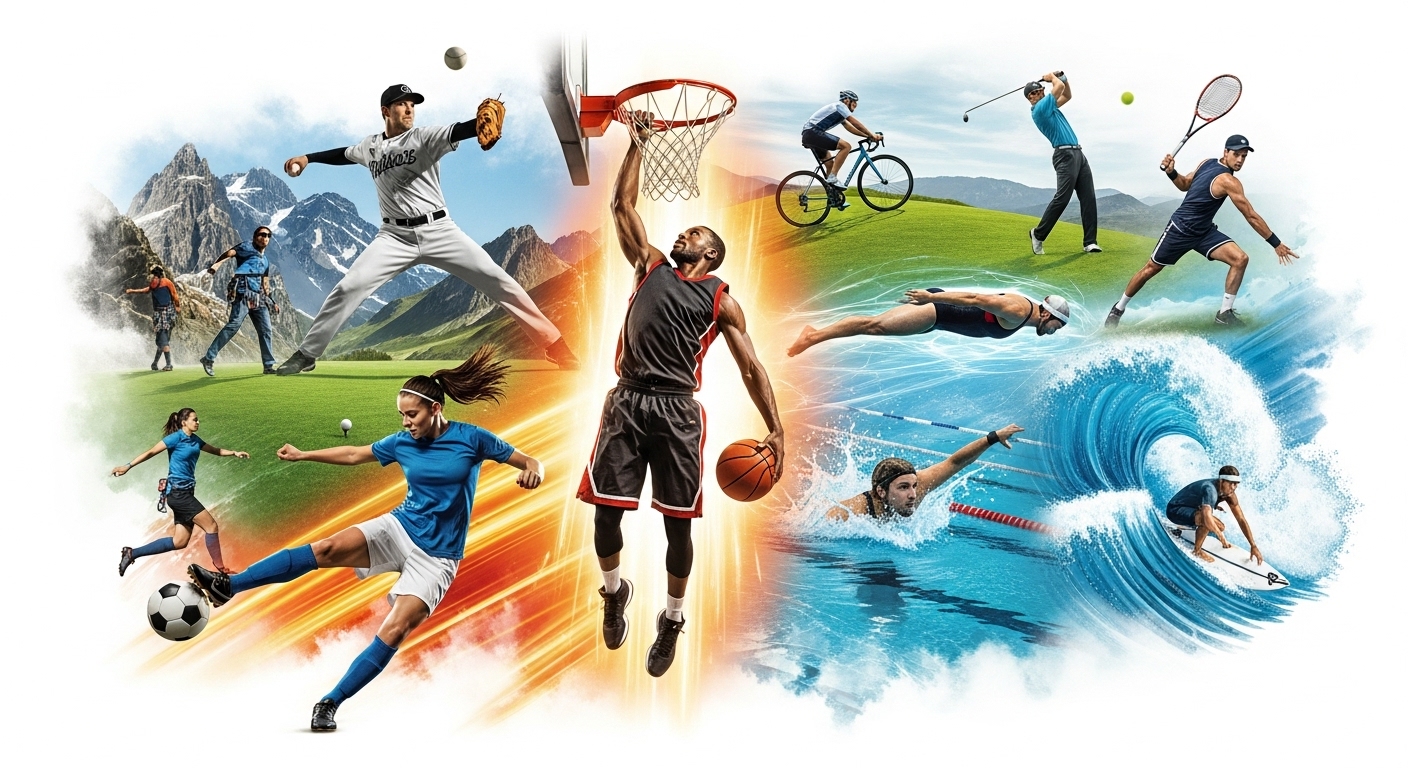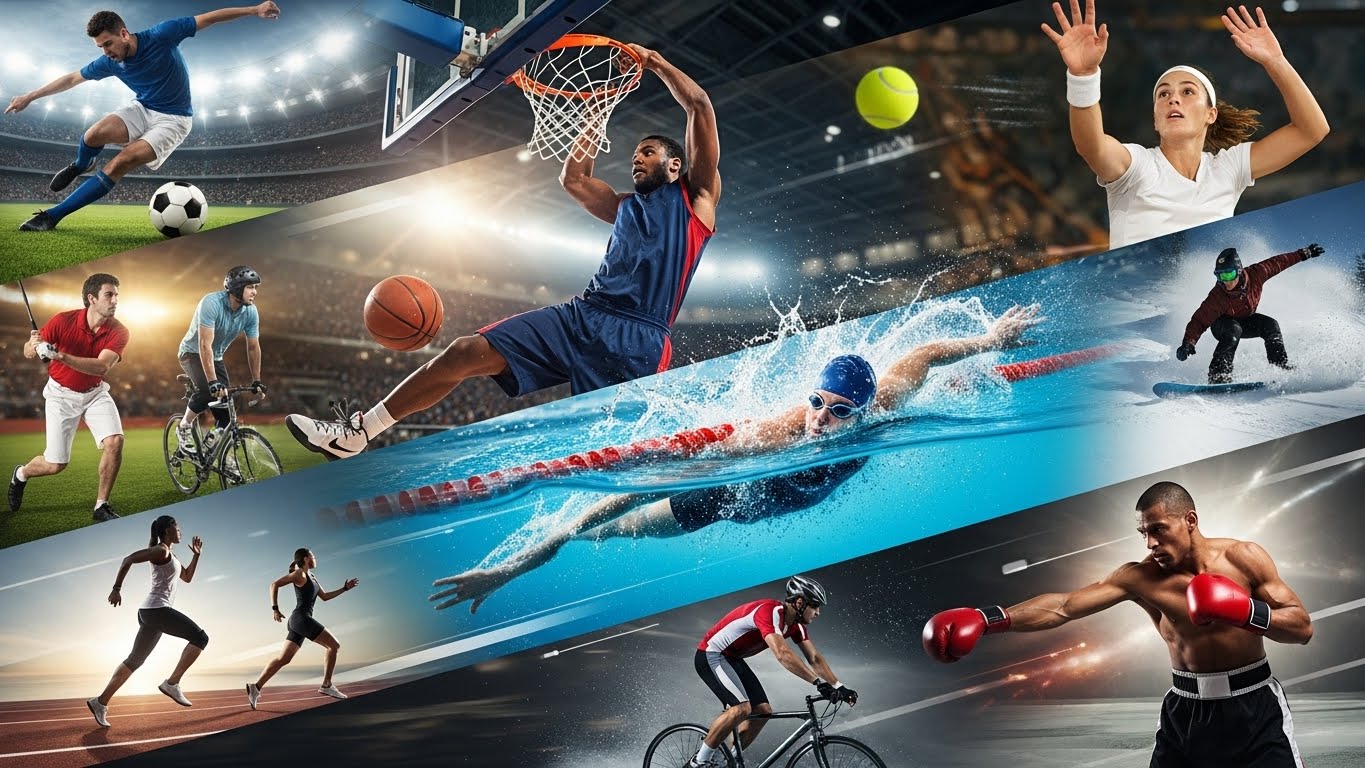
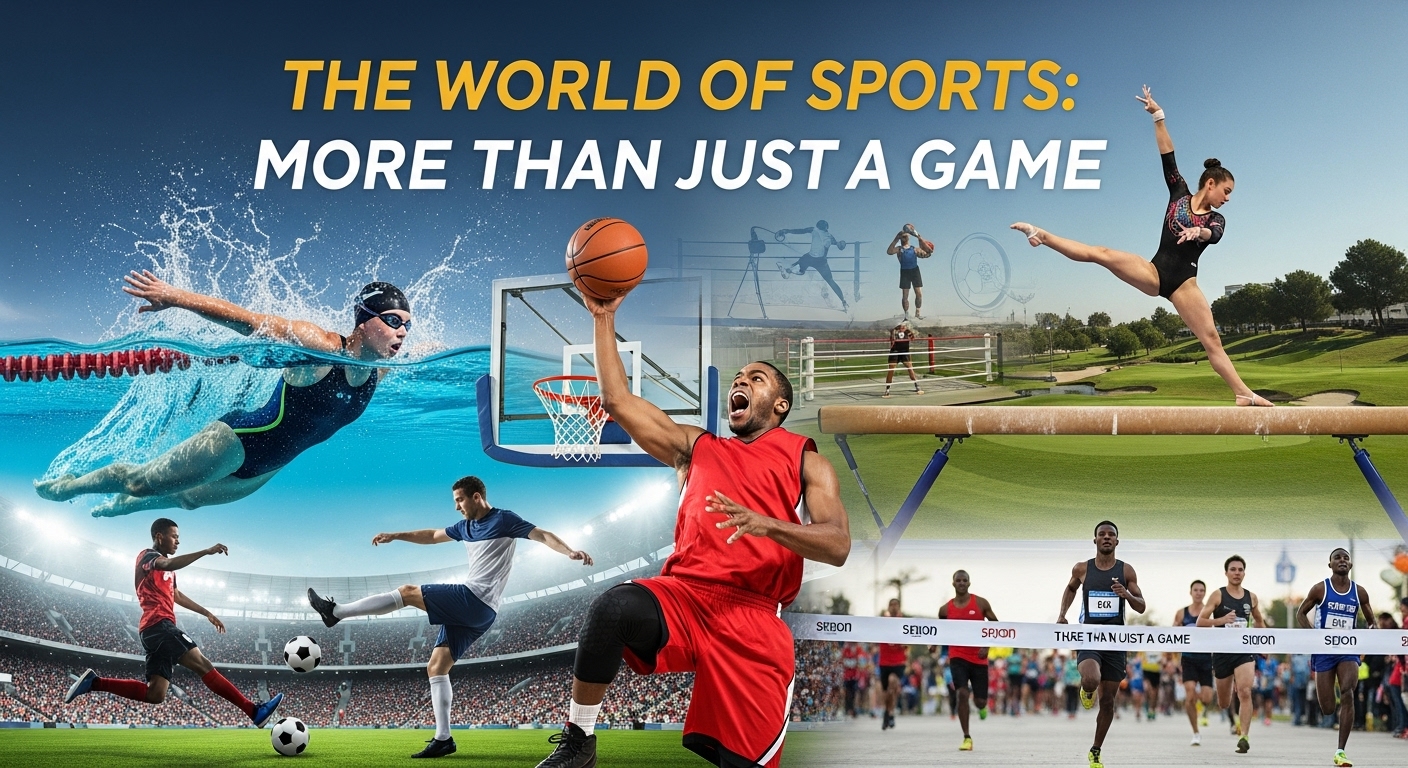
Sports have been an integral part of human society for centuries, transcending mere physical activity to become a reflection of culture, ambition, and identity. From the adrenaline-pumping arenas of professional leagues to casual neighborhood games, sports connect people across boundaries, generations, and social classes. This blog explores the multifaceted world of sports, its evolution, significance, and the profound impact it has on individuals and societies alike.
The Evolution of Sports Through History
The history of sports is as old as civilization itself. Ancient societies viewed physical competition not only as entertainment but also as a demonstration of strength, skill, and strategy. In Ancient Greece, the Olympic Games emerged as a celebration of athleticism and religious devotion, bringing together city-states in peaceful rivalry. Events such as running, wrestling, and chariot racing were highly regarded, often immortalized in sculptures and literature.
Similarly, in ancient China, sports like archery and martial arts were practiced as both training for warfare and a means to cultivate discipline. In medieval Europe, jousting and sword fighting were both forms of sport and a way for knights to demonstrate their prowess. The evolution of these activities into modern competitive sports reflects humanity’s desire to combine physical excellence with organized competition.
The Global Impact of Sports
Sports have a unique ability to unite people across diverse cultures. International events such as the FIFA World Cup, the Olympic Games, and the Cricket World Cup attract billions of viewers worldwide. These competitions foster a sense of national pride and shared experience, even among those who may never meet in person.
Beyond national boundaries, sports serve as a powerful tool for diplomacy and peacebuilding. Initiatives like “sports for development” leverage athletic programs to address social issues, promote equality, and provide opportunities for youth in underprivileged communities. By bringing people together on a common playing field, sports transcend political, cultural, and social barriers.
The Science Behind Athletic Performance
The achievements of elite athletes are the result of more than talent alone. Sports science plays a critical role in optimizing performance, preventing injuries, and extending athletic careers. Areas such as exercise physiology, biomechanics, nutrition, and psychology contribute to understanding how the human body functions under physical stress.
Modern training methods utilize data analytics to track performance metrics, from heart rate and oxygen consumption to reaction times and muscle fatigue. Nutritionists and sports psychologists design personalized strategies to ensure athletes maintain peak condition both physically and mentally. The synergy between scientific insight and rigorous practice has transformed sports into a precise and disciplined endeavor, where marginal gains can determine victory or defeat.
Popular Sports and Their Unique Appeal
Different sports captivate audiences for various reasons, often reflecting the culture and history of their regions. Soccer, or football, dominates globally due to its accessibility and simplicity. A ball and a field are all that’s needed to play, making it a sport for everyone, from professional athletes to children in rural communities.
Basketball, with its fast-paced action and high scoring, captivates fans through spectacular athletic feats and dramatic moments. The NBA has become a global phenomenon, influencing fashion, entertainment, and lifestyle beyond sports.
Cricket, with its deep-rooted traditions and strategic complexity, enjoys unparalleled popularity in countries like India, Australia, and England. Its diverse formats—from the rigorous Test matches to the dynamic Twenty20 games—offer varied experiences for players and spectators alike.
Other sports such as tennis, athletics, rugby, and swimming showcase individual brilliance and team coordination in unique ways. Each sport carries its own culture, rules, and fan base, reflecting the diversity of human interests and abilities.
The Role of Sports in Personal Development
Participation in sports extends far beyond physical fitness. Engaging in athletics fosters essential life skills such as teamwork, leadership, discipline, and resilience. Young athletes learn to handle victories and defeats, developing emotional intelligence and a strong work ethic.
Sports also serve as an outlet for stress and a means to improve mental health. Regular physical activity releases endorphins, enhancing mood and cognitive function. For many, sports provide a structured environment to build confidence, set goals, and cultivate perseverance.
Furthermore, sports offer opportunities for socialization and community involvement. Local leagues, clubs, and recreational centers bring people together, promoting inclusivity and camaraderie. These interactions strengthen social bonds and create a sense of belonging that extends beyond the game itself.
Economic and Commercial Impact
Sports have grown into a massive global industry, influencing economies in profound ways. Professional leagues, tournaments, and events generate billions in revenue from ticket sales, sponsorships, broadcasting rights, and merchandise. Cities invest heavily in infrastructure to host sporting events, which can boost tourism and local business.
Athletes themselves often become brands, influencing marketing, fashion, and lifestyle trends. The intersection of sports and commerce has created new career pathways, from sports management and analytics to media, coaching, and health sciences. This commercialization, while sometimes criticized for overshadowing the purity of the game, has undeniably expanded opportunities and visibility for athletes and sports communities.
Technology and Innovation in Sports
The integration of technology has transformed both participation and viewership of sports. Video-assisted refereeing, wearable fitness trackers, virtual reality training, and performance analytics have revolutionized the way athletes train and compete.
Fans also benefit from innovations such as live streaming, interactive apps, and immersive stadium experiences. Technology enhances engagement, allowing fans worldwide to follow games in real time and interact with teams and players on unprecedented levels.
Additionally, advancements in equipment design—lighter materials, ergonomic shoes, and aerodynamic gear—have elevated athletic performance. These innovations demonstrate how human ingenuity continues to push the boundaries of what is possible in sports.
Challenges in the Modern Sports World
Despite its many benefits, the sports world faces challenges. Doping, corruption, and match-fixing have marred the integrity of competitions. Financial disparities between clubs and leagues can create imbalances, making it difficult for smaller teams to compete.
Athlete health and well-being are also critical concerns. Intense schedules, injuries, and mental health pressures demand careful management. Ensuring fair play, inclusivity, and safety requires constant vigilance and proactive policies from governing bodies.
Another challenge lies in accessibility. While some sports enjoy global participation, others remain limited due to socioeconomic or geographic barriers. Promoting equitable access and opportunities for all remains a key priority for sports development initiatives.
Women in Sports: Breaking Barriers
The participation of women in sports has grown exponentially in recent decades, challenging traditional gender roles and stereotypes. Female athletes now compete at the highest levels in almost every discipline, inspiring millions and reshaping societal perceptions.
Events such as the FIFA Women’s World Cup and WNBA have showcased the talent, dedication, and competitiveness of women athletes. Advocacy for equal pay, representation, and resources continues, emphasizing that sports are a field where equality and merit should prevail. The rise of women in sports is not only a triumph of athleticism but also a cultural milestone toward inclusivity.
The Future of Sports
The future of sports promises continued evolution and innovation. Esports, combining gaming and competitive strategy, has emerged as a billion-dollar industry attracting a younger demographic. Hybrid formats and adaptive technologies may redefine traditional sports, making them more accessible and engaging for global audiences.
Sustainability will also shape the future, with eco-friendly stadiums, reduced carbon footprints, and environmentally conscious events becoming more prevalent. Sports organizations are increasingly aware of their social responsibilities, using their platforms to advocate for global issues such as climate change, diversity, and education.
Ultimately, the future of sports will blend tradition and modernity, combining the thrill of competition with technology, ethics, and social consciousness.
Conclusion: More Than a Game
Sports are far more than games played on fields, courts, or tracks. They are a reflection of human ambition, creativity, and collaboration. They inspire, challenge, and connect people across the globe, fostering physical, mental, and social well-being.
From historic competitions to modern technological innovations, sports continue to evolve while maintaining their timeless essence: the pursuit of excellence and the joy of participation. Whether as a player, coach, fan, or analyst, sports offer lessons in perseverance, strategy, and humanity. They remind us that despite differences, we can come together, celebrate talent, and experience the universal thrill of the game.
In a world often divided, sports remain one of the few unifying forces, proving that while rules, arenas, and players may change, the passion for competition and camaraderie is eternal.