
Introduction: Sports – More Than Just a Game
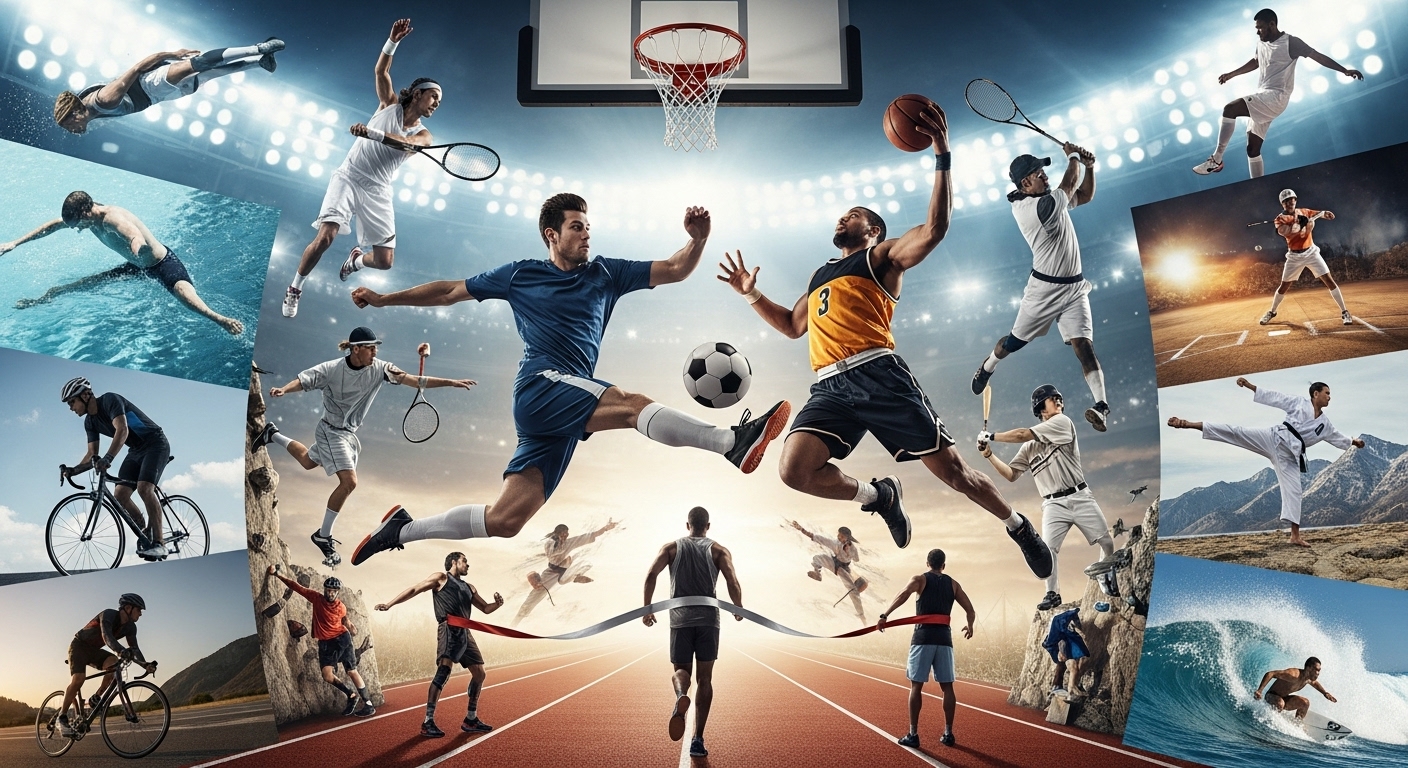
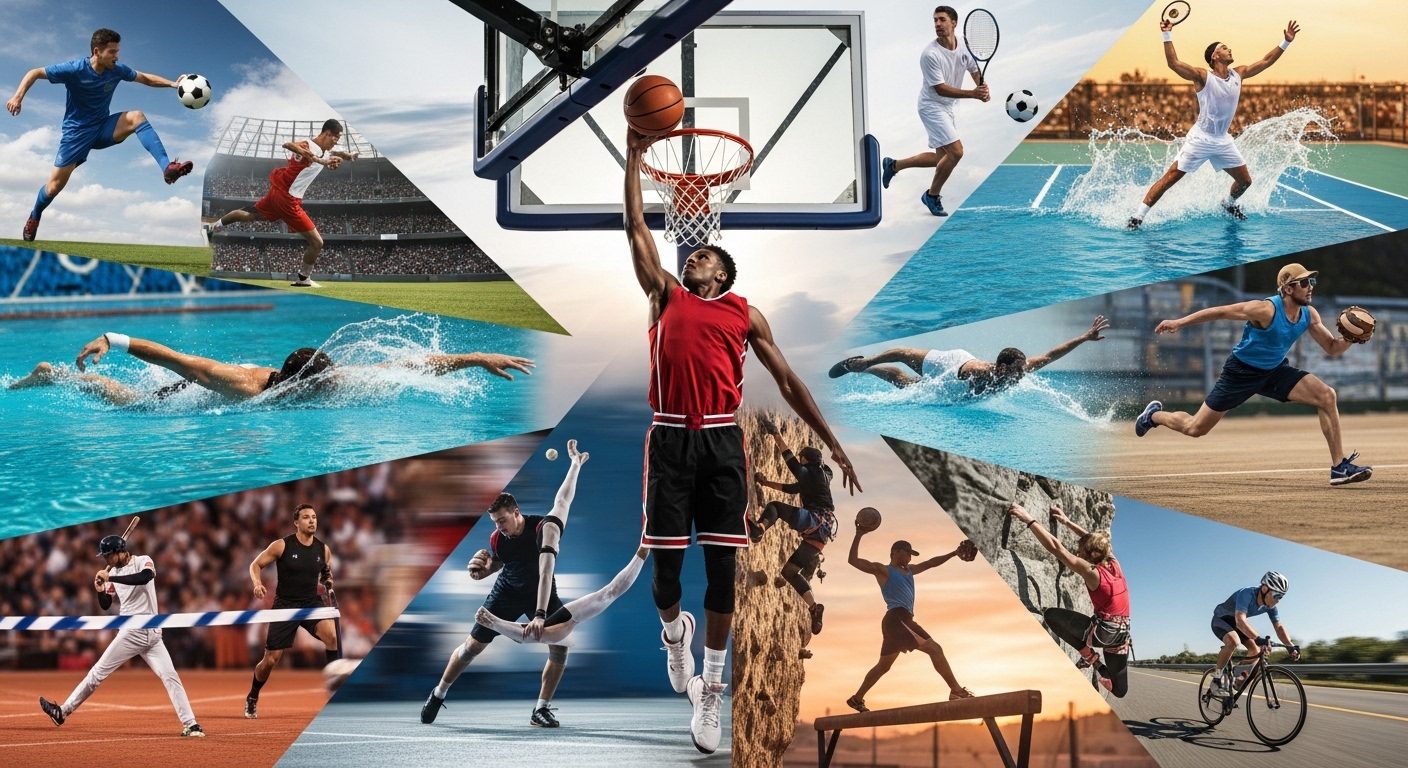
Sports, often seen as a simple form of entertainment or competition, are far more intricate than meets the eye. At their core, sports are a reflection of human passion, resilience, and the desire to push beyond limits. From the moment an athlete takes their first step onto the field, it’s clear that sports are not just about winning or losing—they are about life, growth, and the human spirit. In this blog post, we’ll explore the deeper, often overlooked aspects of sports, shedding light on their ability to influence personal development, culture, and society.
The Power of Sports to Build Identity
For many, sports play an important role in shaping identity. Whether as a player, coach, or fan, the connection to a particular sport often goes beyond just the activity itself. It’s about belonging to something larger than oneself. Think about the pride a person feels when their national team competes in an international event like the World Cup or the Olympics. It’s not merely about the players; it’s about the representation of a shared culture, history, and aspirations.
Sports also provide individuals with a platform to express themselves. From athletes’ personal styles on the court to the way they interact with fans, sports offer a unique space where people can showcase their passion, values, and vision. This sense of identity can often extend into everyday life, where the traits honed through sports—such as discipline, teamwork, and perseverance—shape the way individuals navigate the world.
Uniting People Through Common Passion
One of the most beautiful aspects of sports is their ability to unite people from diverse backgrounds. Sports create a universal bond, regardless of language, race, or geography. A football match in Brazil, a cricket game in India, or a basketball game in the United States all create a shared experience that transcends cultural and social boundaries.
This unity extends to the sense of camaraderie among teammates, where individual strengths are combined to form a collective force. On the flip side, sports also bring together spectators—creating an environment of shared excitement, joy, and even heartbreak. The global following of teams and athletes speaks to the universal language of sports and their ability to break down walls that might otherwise divide us.
The Psychological and Emotional Benefits of Sports
While the physical benefits of sports are well-documented—improving cardiovascular health, enhancing flexibility, and building muscle—the psychological benefits often go unnoticed. Engaging in sports helps individuals develop strong mental resilience. The challenges faced during competition, such as dealing with failure, staying focused, or performing under pressure, all play a pivotal role in strengthening mental toughness.
For many, sports are a form of therapy. The stress relief provided by physical activity is invaluable, especially in today’s fast-paced, high-pressure world. The endorphins released during exercise not only improve mood but also reduce feelings of anxiety and depression. For athletes, each victory or setback is a lesson in emotional management. In essence, sports offer a healthy outlet for emotions, allowing individuals to channel frustration, joy, anger, and pride in a constructive manner.
The Role of Sports in Personal Growth
Sports aren’t just about competing against others—they are also about self-improvement. Every match or game offers an opportunity to learn and grow, both on and off the field. The discipline required to train, the determination to keep going even when things get tough, and the focus needed to succeed all contribute to personal growth.
For children and adolescents, sports are especially important in the development of key life skills. Teamwork teaches collaboration, leadership nurtures responsibility, and overcoming obstacles fosters resilience. These qualities, once ingrained through sports, become invaluable assets in academic, professional, and personal endeavors. In a world that often emphasizes results over process, sports remind us that growth is just as important as achievement.
Sports as a Catalyst for Social Change
In addition to personal development, sports have the power to act as a platform for social change. Athletes often use their platforms to address pressing issues such as racial inequality, gender rights, and social justice. The influence of sports figures like Muhammad Ali, Serena Williams, and Colin Kaepernick demonstrates how sports can transcend the boundaries of the field, creating conversations that reach beyond the stadiums.
Moreover, sports have historically been an essential vehicle for bringing attention to social issues. Events like the 1968 Olympics, where athletes raised their fists in protest against racial discrimination, and the more recent Black Lives Matter movement, have shown how sports can fuel societal progress. By giving a voice to the marginalized, sports become an avenue for challenging norms, promoting inclusivity, and encouraging positive change.
The Everlasting Bond: Sports and Community
Sports are also an essential part of community building. From local leagues to school tournaments, sports help build a sense of belonging and pride within communities. They provide spaces for people to come together, whether they are participating or simply spectating, creating opportunities for social interaction and connection.
In a world where many people feel disconnected or isolated, sports offer a tangible way to foster community spirit. They give people something to rally around, whether it’s supporting a local team or volunteering for youth programs. For many individuals, sports represent a form of tradition—an event passed down from generation to generation. In this way, sports help preserve cultural heritage while simultaneously adapting to the needs of modern society.
Conclusion: The Timeless Impact of Sports
Sports are far more than just games to watch or play. They are a reflection of human resilience, a platform for social change, and a medium for personal growth. Whether it’s the joy of winning, the lessons learned in defeat, or the friendships formed along the way, sports leave a lasting imprint on those who engage with them. They teach us to strive for excellence, to work together, to rise above challenges, and to embrace the beauty of human connection.
In a world that often seems divided, sports remain a constant reminder of our shared humanity. They remind us that, despite our differences, we all have the capacity to come together in the name of something greater. And perhaps that’s why, at their core, sports are not just games—they are a celebration of life itself.