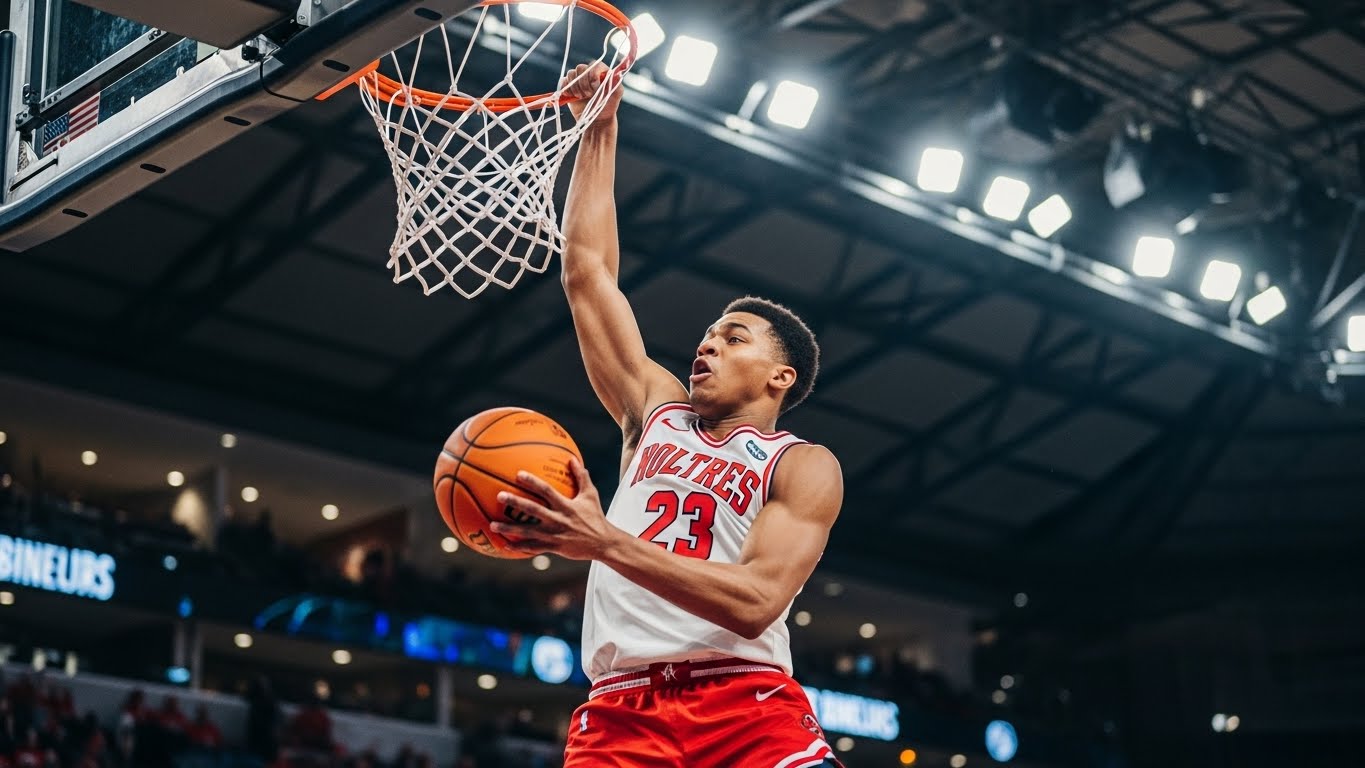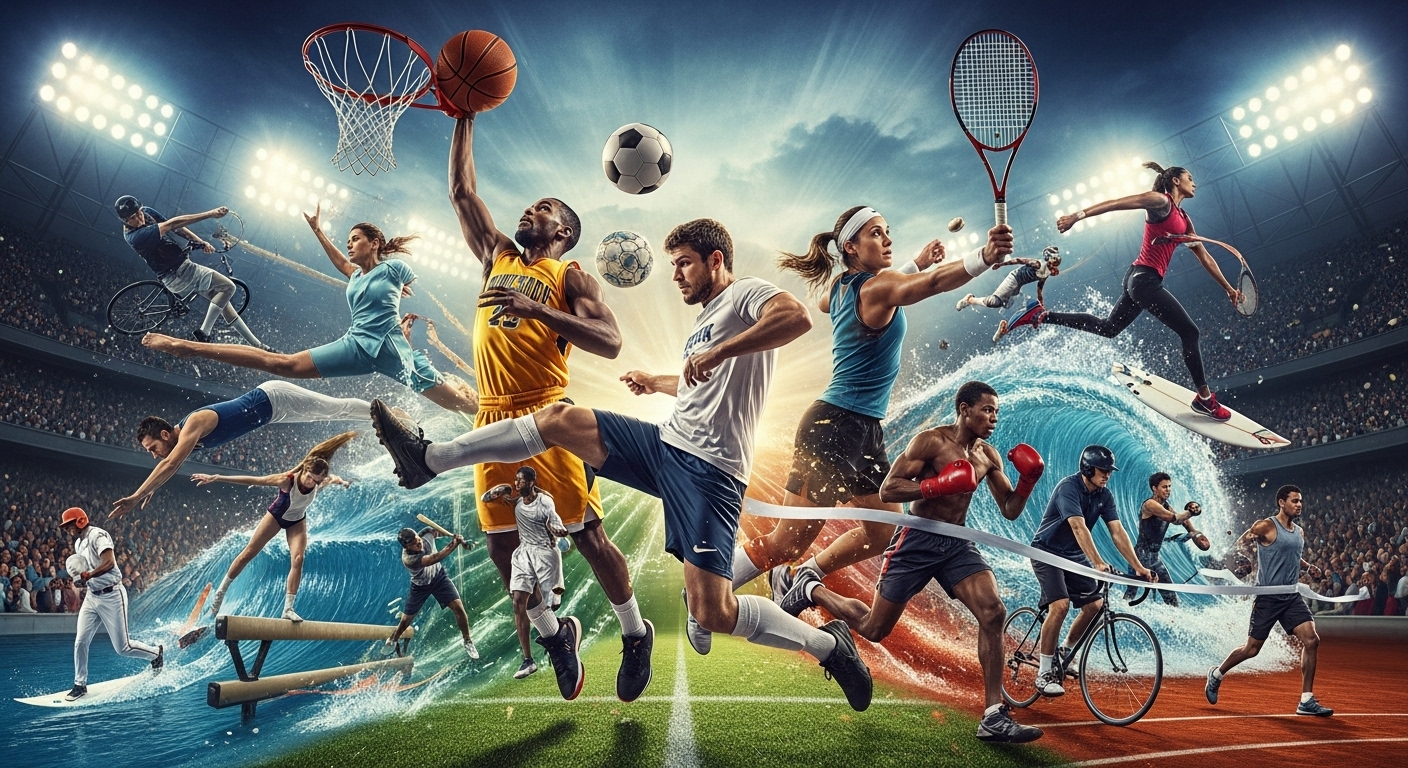

Sports have always been more than just games. They are reflections of human determination, teamwork, emotion, and the relentless pursuit of excellence. Whether it’s the roar of the crowd during a football final, the focused silence before a tennis serve, or the sheer intensity of a boxing ring, sports evoke emotions unlike anything else. They bring people together across boundaries of race, nationality, and language. This global phenomenon not only entertains but also inspires, educates, and shapes the identity of individuals and nations alike.
The Universal Language of Sports
Sports are one of the few universal languages in the world. No matter where you go, you can find people kicking a ball, running on a track, or swimming in open waters. This shared passion connects people from diverse backgrounds. Even if two fans do not speak the same language, their love for the game becomes their bridge. Sports transcend politics, religion, and culture, offering common ground where humanity meets.
The Olympic Games, for instance, serve as a reminder that competition does not have to divide—it can unite. Athletes from different countries come together with one goal: to push their limits and represent their nations with pride. The handshake after a fierce match or the mutual respect between competitors highlights that the true spirit of sports is rooted in honor and unity.
The Psychological Power of Sports
Sports have a profound psychological impact on both players and fans. For athletes, sports teach discipline, focus, and mental resilience. Success in any sporting discipline requires more than just physical ability—it demands mental toughness. A runner must fight against fatigue and doubt in the final moments of a race. A basketball player must stay composed when the game depends on one final shot.
For fans, sports offer a form of emotional release. Cheering for a favorite team brings excitement and belonging. The joy of victory and the agony of defeat become collective emotions shared by millions. Sports help people cope with challenges by providing motivation and inspiration. Watching an underdog rise to the top encourages others to believe that hard work can defy the odds.
Sports as a Catalyst for Social Change
Throughout history, sports have played a vital role in driving social change. They have provided platforms for breaking barriers and promoting equality. When Jackie Robinson became the first African American to play Major League Baseball, he did more than just change the game—he changed society’s perception of race. Similarly, female athletes like Serena Williams, Megan Rapinoe, and Billie Jean King have used their platforms to fight for gender equality and representation in sports.
Sports can also highlight global issues. Events like the World Cup or the Olympics often draw attention to topics such as human rights, sustainability, and inclusivity. Athletes use their visibility to advocate for causes beyond the field. Their voices resonate because they symbolize excellence achieved through dedication and integrity.
The Economics of Sports
Beyond entertainment and emotion, sports represent a massive economic industry. From ticket sales and broadcasting rights to merchandise and sponsorships, the sports economy generates billions annually. Cities compete to host major events like the Olympics or the FIFA World Cup, recognizing the enormous tourism and infrastructure benefits these occasions bring.
Sports teams function like businesses, with marketing strategies, brand partnerships, and community engagement initiatives. Athletes themselves have become brands, leveraging their fame for endorsements and entrepreneurial ventures. The growth of sports media has made stars out of players and coaches, while also fueling industries like sports analytics, technology, and data-driven training.
The business side of sports is evolving with technology. Virtual reality training, AI performance tracking, and wearable devices are transforming how athletes prepare. Sports streaming platforms have opened new revenue channels, allowing fans to watch games anywhere in the world. This economic dimension demonstrates how deeply sports are intertwined with modern life.
The Role of Technology in Sports
The influence of technology in sports cannot be overstated. From the introduction of instant replays and goal-line technology to the use of data analytics for player performance, technology has made sports fairer and more precise. Coaches and analysts now use wearable sensors and video analysis tools to improve strategies and reduce the risk of injuries.
Fans, too, benefit from technological advancements. Virtual reality experiences allow supporters to feel like they are in the stadium, even when watching from home. Social media gives athletes direct communication with their followers, creating a more personal connection. Esports, a completely digital form of competition, has emerged as a legitimate part of the sports world, drawing millions of viewers and massive prize pools.
The Importance of Teamwork and Leadership
Sports teach invaluable lessons about teamwork and leadership. Whether it’s a football team coordinating complex plays or a relay squad passing the baton with precision, success relies on trust and cooperation. Every team member, regardless of their role, contributes to the overall goal.
Great coaches and captains exemplify leadership under pressure. They motivate their players, create unity, and foster belief in shared success. In times of failure, they guide the team toward improvement rather than blame. These qualities are transferable to all areas of life—from business to education to personal relationships. Sports serve as a powerful training ground for building character and leadership skills.
The Role of Sports in Education
Sports are a vital part of education systems around the world. School and college sports programs not only encourage physical fitness but also nurture essential life skills. Students learn discipline, time management, teamwork, and how to handle both victory and defeat gracefully.
Athletic scholarships have made education accessible for talented students who might not otherwise afford it. College sports in particular have become a major cultural force, with young athletes balancing academics and performance. These programs instill a lifelong appreciation for fitness and competition, producing well-rounded individuals who contribute to society both on and off the field.
Women in Sports: Breaking Boundaries
The participation of women in sports has evolved significantly over the decades. From being marginalized or excluded entirely to now leading professional leagues and dominating international competitions, female athletes have proven their strength and skill time and again. Icons like Simone Biles, Marta Vieira da Silva, and Naomi Osaka have shown that excellence knows no gender.
Women’s sports have grown in viewership and investment, with organizations promoting equality in pay and coverage. However, challenges remain, including disparities in sponsorship and media representation. Continued advocacy is essential to ensure women receive equal recognition and opportunities. The rise of women coaches, referees, and executives marks a positive shift toward inclusivity in all aspects of sports.
Sports and National Identity
Few things unite a nation like sports. During major tournaments, citizens rally behind their teams with immense pride. Victories on the global stage often symbolize national progress and resilience. When a small country defeats a sporting giant, it becomes a story of hope and determination that transcends the game itself.
National teams carry the hopes of millions. Athletes become ambassadors, representing their country’s culture, discipline, and unity. Moments like the Olympic medal ceremonies or World Cup triumphs are engraved in a nation’s collective memory. Sports thus play an essential role in shaping and expressing national identity.
Health and Fitness: The Physical Benefits of Sports
Sports promote physical health and well-being in ways few other activities can. Regular participation reduces the risk of chronic diseases, strengthens muscles, and improves cardiovascular health. Moreover, sports help combat issues like obesity and mental stress.
For children and young adults, engaging in sports builds coordination, endurance, and confidence. For adults and seniors, it offers a means to stay active and social. Even casual sports like cycling, swimming, or yoga provide significant long-term benefits. The physical and mental connection established through regular sporting activity fosters a balanced, healthy lifestyle.
Sportsmanship and Ethics
At the heart of sports lies sportsmanship—the respect for opponents, officials, and the rules of the game. True champions win with humility and lose with grace. This ethical foundation distinguishes sports from mere competition. Cheating, doping, and unsportsmanlike conduct not only harm the individual but tarnish the integrity of the sport itself.
Fair play embodies the essence of sports: striving for excellence while respecting boundaries. Sportsmanship teaches honesty, empathy, and resilience—values that extend far beyond the playing field. These lessons are vital for developing responsible and respectful citizens.
Sports and Media Influence
Media has played an instrumental role in turning sports into a global spectacle. Television, radio, and digital platforms bring live events into millions of homes. Commentators and analysts amplify the excitement, while documentaries and interviews give fans insights into the lives of their favorite athletes.
Social media has revolutionized sports culture. Athletes can now share training routines, motivational messages, and personal moments directly with fans. This accessibility strengthens fan loyalty and creates a sense of intimacy. However, it also brings challenges such as scrutiny and online criticism, requiring athletes to manage their public image carefully.
The Future of Sports
The future of sports is evolving rapidly. As technology, science, and society continue to change, so too will the way we play, watch, and experience sports. Virtual reality tournaments, AI-powered training systems, and advanced analytics will redefine competition and performance.
Sustainability will also shape the future of sports. Eco-friendly stadiums, carbon-neutral events, and ethical sponsorships will become the norm. Inclusivity will expand, ensuring people of all abilities and backgrounds can participate. Sports will continue to be a force for unity, innovation, and inspiration.
Conclusion: The Endless Power of Sports
Sports embody the best of human potential. They showcase courage, skill, discipline, and heart. From the neighborhood playground to the world’s grandest arenas, the spirit of sports continues to inspire generations. It reminds us that while victory is sweet, the journey—the training, teamwork, and perseverance—is what truly defines greatness.
In every athlete’s story lies a reflection of humanity’s desire to overcome challenges. Sports celebrate life in motion, the thrill of competition, and the shared joy of achievement. Whether we play, watch, or cheer, sports connect us all in the pursuit of something greater—a shared love for excellence and the timeless spirit of competition.