Introduction: More Than Just a Game
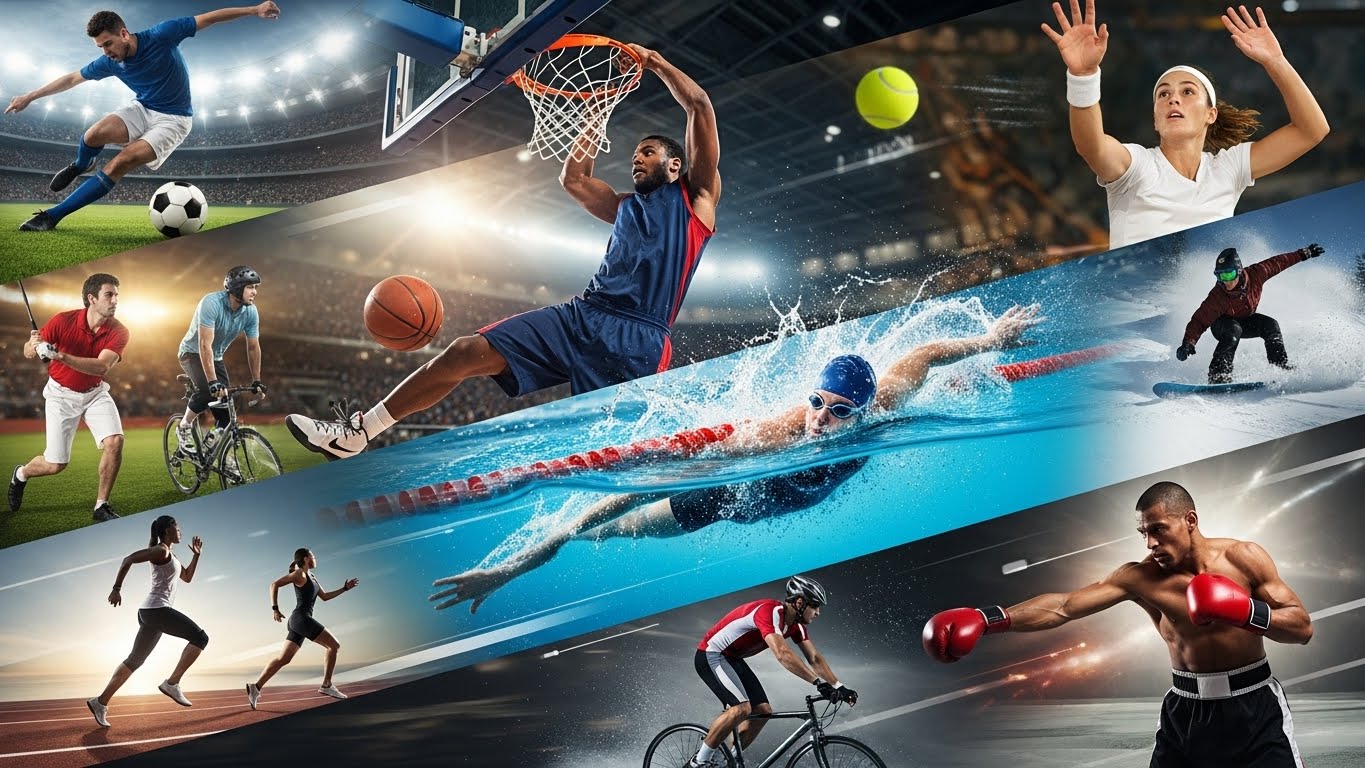
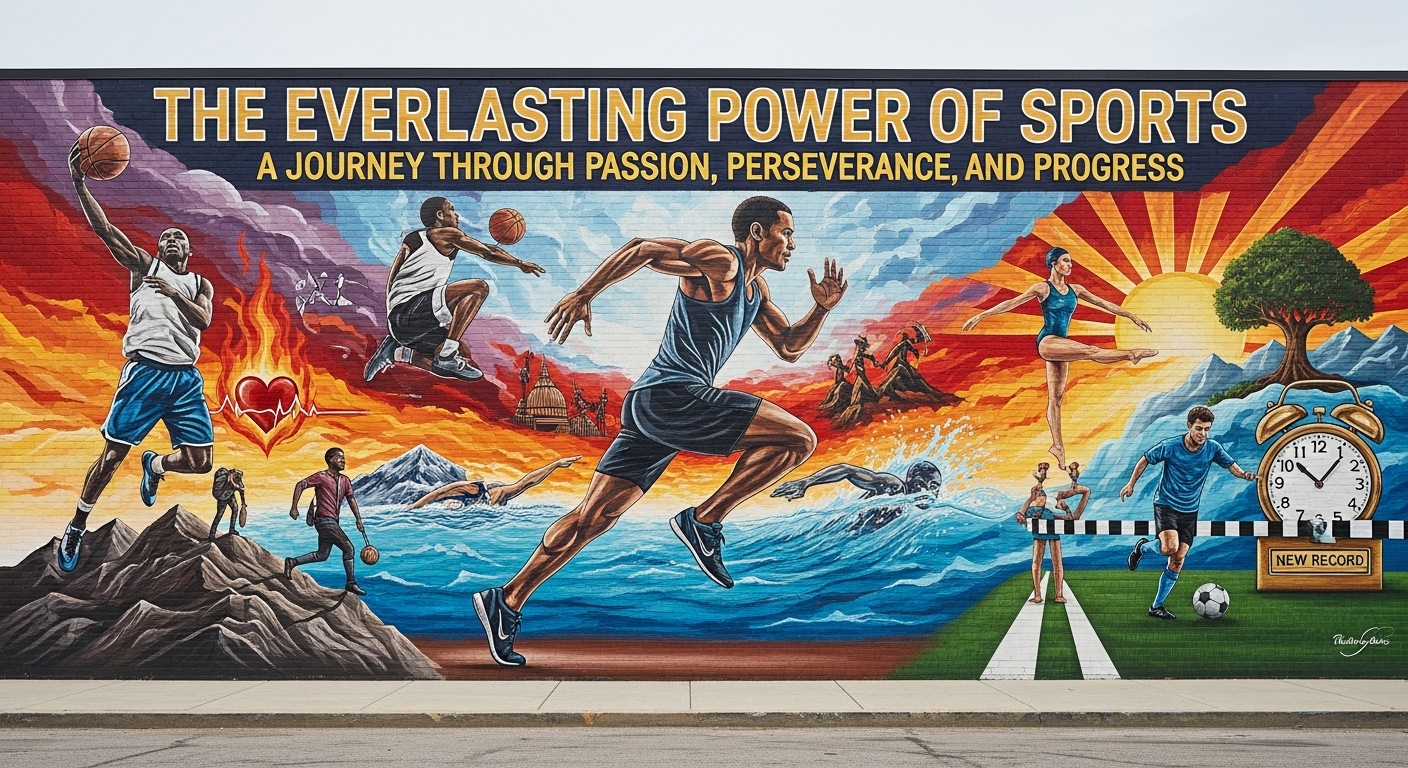
Sports have always been more than a contest of physical strength or tactical brilliance. From ancient civilizations to modern global leagues, sports reflect who we are as individuals and as societies. They carry stories of struggle, triumph, failure, and resilience. Whether played on dusty village grounds or in world-class stadiums, sports unite people across borders, languages, and beliefs. At their core, sports are a mirror of human ambition and emotion, teaching lessons that extend far beyond the final score.
The Historical Roots of Sports
The history of sports stretches back thousands of years. Ancient civilizations such as the Greeks, Romans, Chinese, and Egyptians used sports not only for entertainment but also for training warriors, honoring gods, and strengthening social bonds. The Olympic Games in ancient Greece were as much about cultural unity as athletic excellence. Over time, informal physical contests evolved into structured games with rules, officials, and institutions. This evolution reflects humanity’s desire for fairness, discipline, and shared standards, values that still define modern sports.
Sports as a Universal Language
One of the most powerful aspects of sports is their ability to communicate without words. A goal scored, a finish line crossed, or a last-second victory can be understood by anyone, anywhere. Sports provide a shared emotional experience that transcends cultural differences. Fans who may never speak the same language can still celebrate together or feel collective heartbreak. This universal language makes sports one of the strongest tools for global connection in an increasingly divided world.
The Role of Sports in Physical Health
At a fundamental level, sports promote physical well-being. Regular participation improves cardiovascular health, strengthens muscles, enhances flexibility, and boosts endurance. In an era dominated by sedentary lifestyles and digital screens, sports encourage movement and active living. For children and young adults, sports help develop coordination and healthy habits early in life. For adults, they offer a way to manage stress, maintain fitness, and improve overall quality of life.
Mental Strength and Emotional Resilience
Beyond physical benefits, sports play a critical role in mental health. Athletes learn how to cope with pressure, manage anxiety, and recover from failure. Losing a match can be painful, but it teaches acceptance and perseverance. Winning brings joy, but also humility and responsibility. Sports demand focus, discipline, and emotional control, qualities that are transferable to education, careers, and personal relationships. The mental toughness built on the field often becomes a lifelong asset.
Character Building Through Competition
Competition is at the heart of sports, but its true value lies in character development. Sports teach fairness, respect for opponents, and adherence to rules. Athletes learn the importance of teamwork, leadership, and trust. Individual brilliance may shine, but sustained success usually depends on collective effort. These lessons shape individuals into better teammates, colleagues, and citizens. Sports provide a safe environment to experience conflict, resolve differences, and grow through challenge.
Sports and Youth Development
For young people, sports can be transformative. They offer structure, purpose, and positive role models. Coaches often become mentors, guiding children not only in technique but also in life skills. Participation in sports can improve academic performance by instilling discipline and time management. It can also keep youth engaged in healthy activities, reducing exposure to negative influences. For many, sports open doors to education and opportunities that might otherwise remain inaccessible.
The Economic Impact of Sports
Sports are also a powerful economic force. Professional leagues, tournaments, and events generate employment, tourism, and business growth. From athletes and coaches to broadcasters, marketers, and event staff, millions of livelihoods depend on the sports industry. Major sporting events can transform cities, drive infrastructure development, and boost global visibility. While commercialization brings challenges, it also highlights the immense value sports hold in modern economies.
Sports as a Cultural Identity
In many regions, sports are deeply tied to cultural identity. A national team’s performance can influence collective pride and morale. Local clubs often represent history, tradition, and community spirit. Rivalries between teams are not just about competition but about heritage and belonging. Through chants, colors, rituals, and stories, sports preserve cultural narratives and pass them from one generation to the next.
Gender Equality and Inclusion in Sports
Sports have historically reflected societal inequalities, but they are also a powerful platform for change. The rise of women’s sports has challenged stereotypes and expanded opportunities. Athletes advocating for equal pay, representation, and respect have sparked important conversations worldwide. Inclusive sports programs now aim to involve people of all abilities, backgrounds, and identities. When sports become more inclusive, they send a message that talent and dedication matter more than gender, race, or physical limitations.
The Influence of Technology on Sports
Technology has transformed how sports are played, watched, and analyzed. Advanced training methods, performance tracking, and data analytics help athletes reach new levels of excellence. Refereeing decisions are increasingly supported by technology, aiming for fairness and accuracy. Fans can now experience sports through immersive broadcasts and real-time updates. While technology raises debates about tradition versus innovation, it undeniably shapes the future of sports.
Sportsmanship and Ethics
At their best, sports promote integrity and respect. Sportsmanship emphasizes fair play, honesty, and respect for rules and opponents. However, issues such as doping, corruption, and excessive commercialization challenge these ideals. Addressing these problems requires strong governance, education, and a renewed focus on values. When athletes and organizations uphold ethical standards, sports regain their power to inspire trust and admiration.
The Emotional Power of Sports
Few things evoke emotion like sports. A last-minute goal, an underdog victory, or a comeback after injury can move millions. These moments remind us of hope and possibility. Fans invest emotionally in teams and athletes, finding joy, escape, and connection. In times of crisis or hardship, sports can offer comfort and a sense of normalcy, proving their deep emotional significance.
Community Building Through Sports
At the grassroots level, sports bring communities together. Local tournaments, school matches, and neighborhood games create spaces for interaction and belonging. They encourage volunteerism, cooperation, and shared responsibility. Sports facilities often become community hubs where relationships are built and strengthened. Through collective support and participation, sports foster unity and social cohesion.
The Future of Sports
As society evolves, so will sports. Sustainability, mental health awareness, and inclusivity are becoming central themes. Future sports will likely balance tradition with innovation, competition with well-being, and entertainment with responsibility. The challenge will be to preserve the essence of sports while adapting to changing values and technologies. If guided wisely, sports can continue to inspire generations to come.
Conclusion: Why Sports Truly Matter
Sports matter because they reflect humanity at its best and worst, and offer a path toward growth. They teach us how to win with grace, lose with dignity, and strive with determination. They connect individuals, shape cultures, and build communities. Beyond trophies and titles, sports leave a lasting impact on character and society. In every cheer, every effort, and every shared moment, sports remind us that we are stronger together than alone.