Sports have always been more than just a form of entertainment. Across cultures and generations, they serve as a unifying force, a medium for personal growth, and a reflection of society itself. From local community leagues to international competitions, sports influence our lives in ways that transcend the physical act of playing. In this blog post, we will explore how sports impact physical health, mental well-being, social cohesion, and even life skills, making them a fundamental part of human development.
The Physical Benefits of Sports
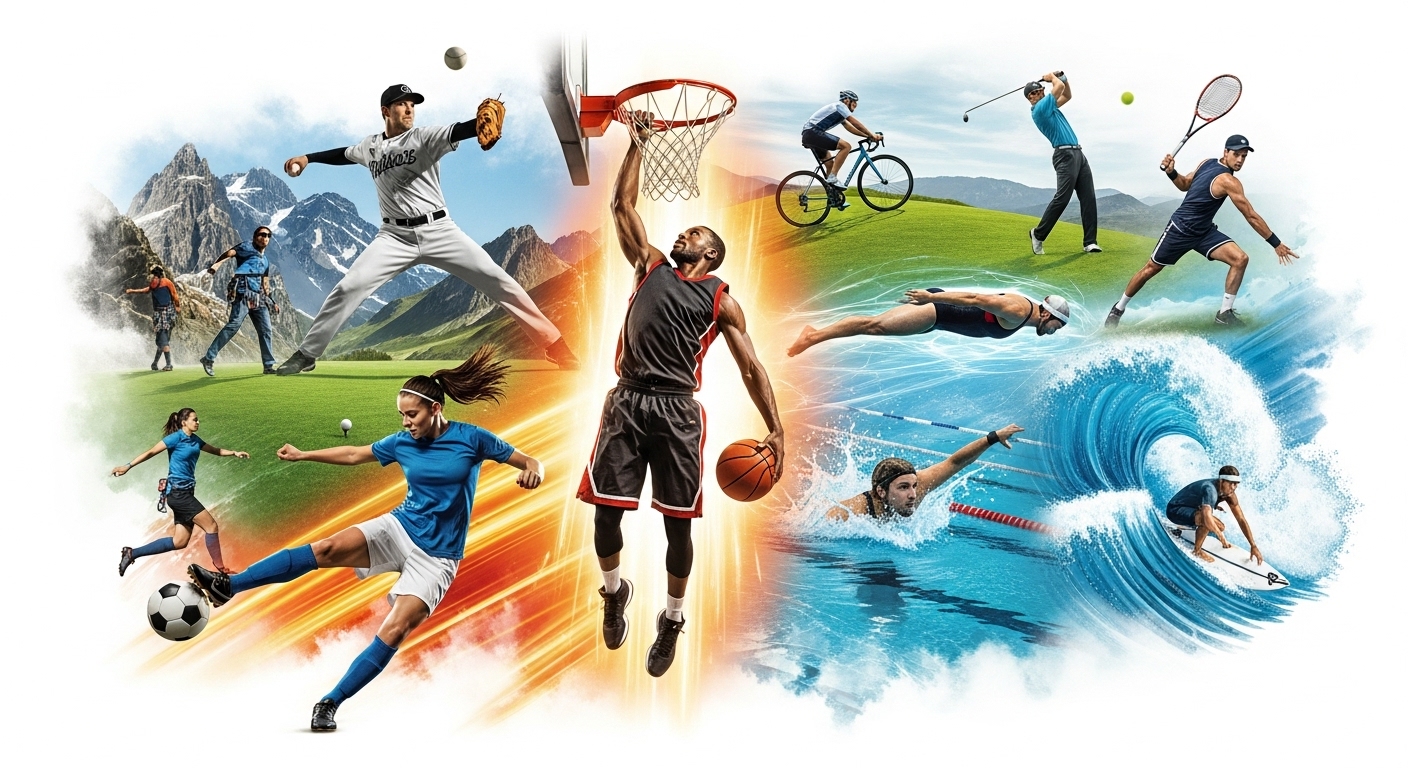
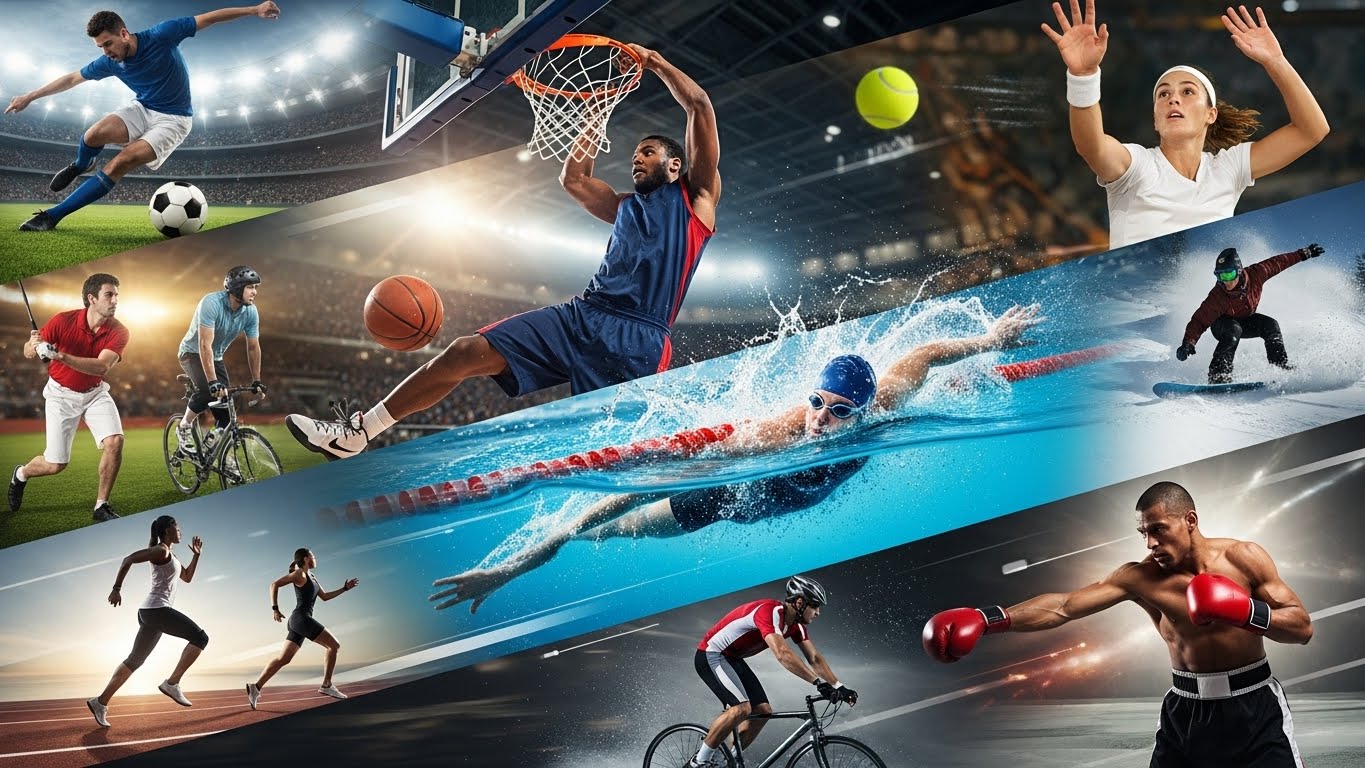
One of the most evident benefits of engaging in sports is the positive impact on physical health. Regular participation in sports improves cardiovascular health, strengthens muscles, enhances flexibility, and boosts endurance. Activities such as running, swimming, cycling, and team sports like football or basketball help maintain a healthy body weight and prevent chronic diseases such as diabetes, hypertension, and obesity. Sports also encourage better posture and bone health, particularly important as people age. Physical activity associated with sports triggers the release of endorphins, which are natural mood enhancers, contributing to overall well-being.
Sports also play a vital role in the development of children and adolescents. Engaging in physical activity during the formative years helps in building strong bones and muscles, improves coordination, and instills habits that lead to a lifetime of fitness. Moreover, sports can prevent childhood obesity, a growing concern in modern society. Schools that integrate sports into their curriculum often see students perform better academically because regular exercise improves concentration, memory, and cognitive function.
Mental Health and Emotional Resilience
While the physical benefits of sports are widely acknowledged, their impact on mental health is equally significant. Participation in sports reduces stress levels, combats anxiety, and alleviates symptoms of depression. The discipline required in sports fosters focus, perseverance, and patience, which are invaluable in daily life. The structured environment of sports allows individuals to channel their energy positively, offering a sense of purpose and accomplishment.
Team sports, in particular, provide opportunities to develop emotional resilience. Athletes learn to cope with failure, celebrate successes, and handle pressure gracefully. The challenges faced on the field often mirror real-life situations, teaching participants how to manage setbacks and maintain composure. Even for those involved in individual sports, the focus, goal-setting, and self-discipline required cultivate a strong mental framework that benefits all areas of life.
Social Connection and Community Building
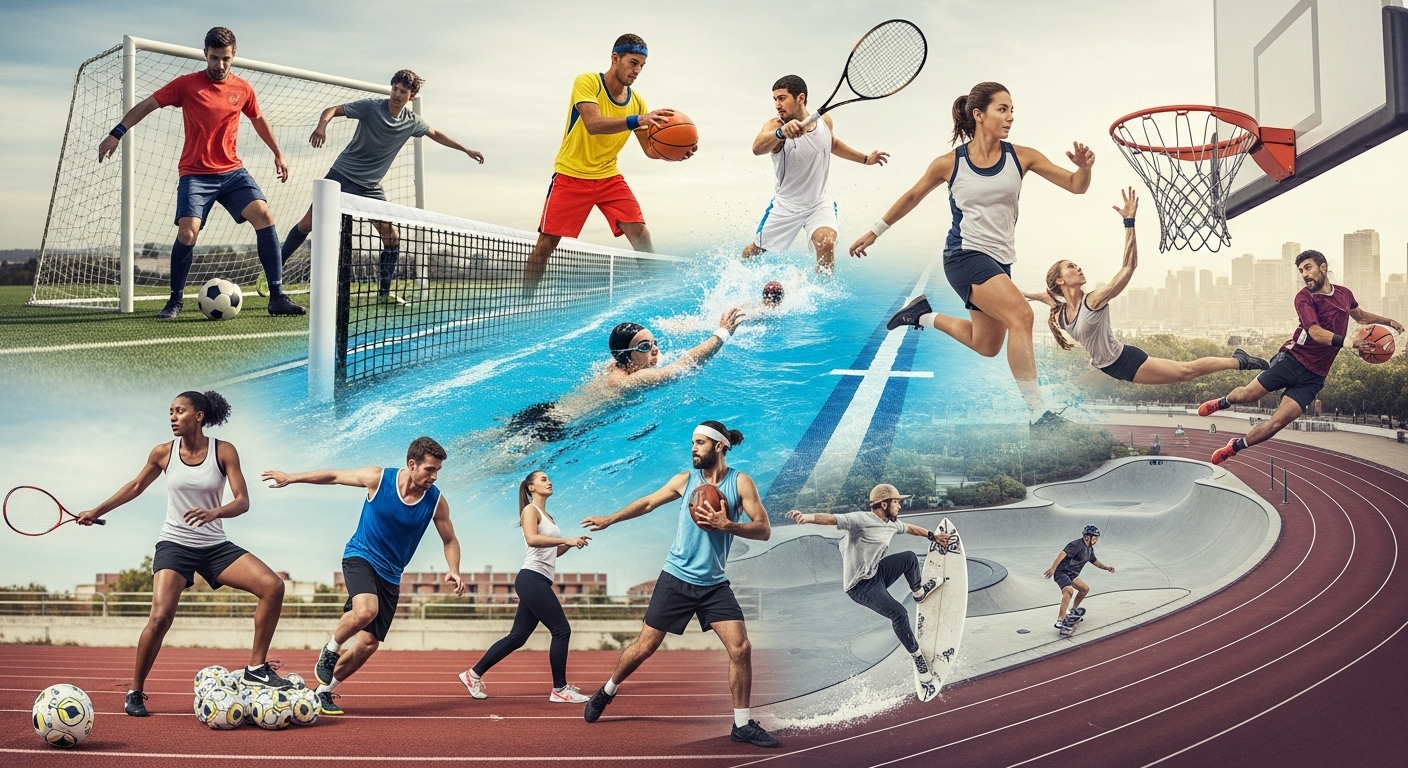
Sports are a universal language that connects people across diverse backgrounds. Local clubs, school teams, and professional leagues create opportunities for individuals to interact, collaborate, and form friendships. Team sports teach players the importance of communication, trust, and cooperation, fostering a sense of community. The shared experiences of training, competing, and celebrating victories help build strong social bonds that often extend beyond the game itself.
Major sporting events such as the Olympics or World Cup exemplify the unifying power of sports on a global scale. People from different nations and cultures come together to celebrate athletic excellence, promoting mutual respect and understanding. Even at the grassroots level, sports can act as a powerful tool for social inclusion, empowering marginalized communities and promoting gender equality. Programs that encourage youth participation in sports help break down social barriers, teaching tolerance and teamwork.
Life Skills and Personal Development
Engaging in sports contributes significantly to personal development by instilling critical life skills. Time management, goal-setting, discipline, and leadership are just a few of the attributes cultivated through sports participation. For young athletes, balancing academics and sports helps develop organizational skills and a strong work ethic. The challenges faced in competitive environments teach problem-solving, adaptability, and resilience, skills that are transferable to professional and personal life.
Sports also encourage a growth mindset. Athletes learn that failure is not the end but an opportunity to improve, innovate, and strive for excellence. This mindset fosters lifelong learning and the ability to embrace challenges rather than shy away from them. Additionally, the competitive nature of sports encourages self-reflection, self-evaluation, and continuous improvement, empowering individuals to pursue personal and professional growth consistently.
The Role of Sports in Education
Integrating sports into education is crucial for holistic development. Schools that prioritize physical education and extracurricular sports activities offer students a balanced approach to learning. Participation in sports enhances concentration, memory retention, and classroom behavior. Moreover, sports provide a platform for students to discover their strengths, build confidence, and develop leadership qualities. Educational institutions that encourage sports foster a culture of teamwork, respect, and perseverance, preparing students to navigate real-world challenges effectively.
Sports also teach students about fair play, ethics, and integrity. The rules of the game emphasize honesty, accountability, and respect for others. These values are essential for personal growth and responsible citizenship. Furthermore, exposure to diverse sports allows students to explore different interests, encouraging creativity, innovation, and critical thinking.
Sports and Gender Equality
Historically, sports were male-dominated, but the landscape has changed significantly in recent decades. Women’s participation in sports has grown, breaking stereotypes and challenging societal norms. Female athletes inspire younger generations to pursue their passions, proving that sports are for everyone regardless of gender. Encouraging gender equality in sports promotes inclusivity, respect, and diversity, creating a more balanced and equitable environment for all participants.
Moreover, women in leadership roles within sports organizations demonstrate the importance of representation and empowerment. Inclusive policies and equal opportunities ensure that talent is recognized and nurtured without bias, benefiting both individuals and the broader sporting community.
The Economic Impact of Sports
Beyond personal and social benefits, sports also have a significant economic impact. Professional leagues, sporting events, and sports tourism generate employment opportunities and contribute to local and national economies. Stadiums, training facilities, merchandise sales, and media coverage create a thriving ecosystem that supports millions of jobs globally. Additionally, successful athletes often invest in community programs, promoting education, health, and social welfare initiatives.
Sports also stimulate industries such as apparel, equipment manufacturing, nutrition, and fitness services. The demand for quality products and services fosters innovation and drives economic growth. At the same time, grassroots sports programs attract sponsorships and funding that benefit communities and encourage participation.
The Future of Sports: Innovation and Technology
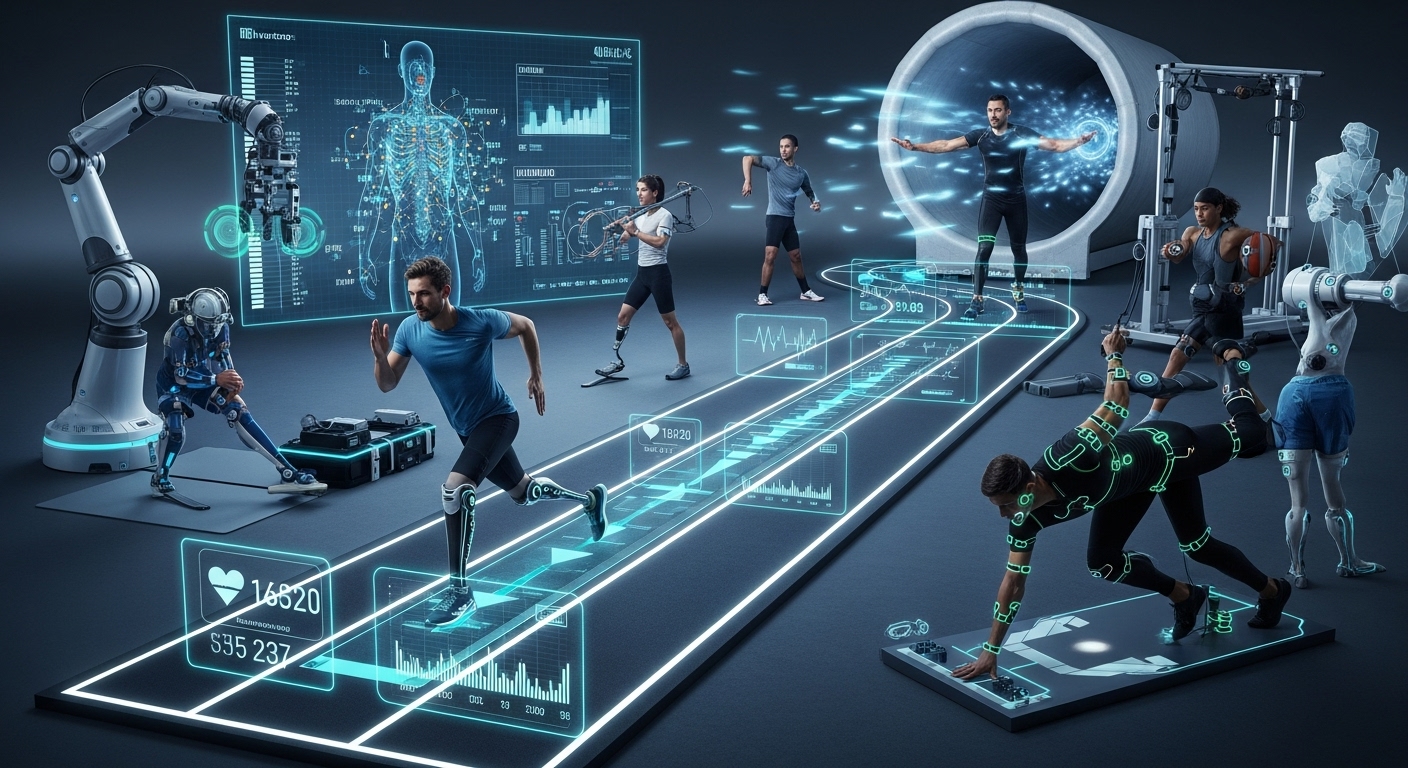
The evolution of sports is closely linked to innovation and technology. Advancements in wearable devices, performance analytics, virtual training, and injury prevention have transformed the way athletes train and compete. Technology enhances performance, reduces risks, and provides insights into health and fitness, making sports more accessible and efficient. Virtual reality and augmented reality are increasingly used to simulate game scenarios, improve strategy, and engage fans, creating immersive experiences that go beyond traditional viewing.
Sustainability is also becoming a priority in sports. Eco-friendly stadiums, renewable energy initiatives, and sustainable event management practices reflect a growing awareness of environmental responsibility. The integration of technology and sustainability ensures that sports will continue to thrive while minimizing their ecological footprint.
Sports as a Catalyst for Social Change
Sports have a unique ability to drive social change. Athletes often use their platform to raise awareness about important issues, advocate for justice, and inspire positive action. From promoting mental health awareness to supporting humanitarian causes, sports provide a powerful stage for influencing society. Programs that use sports as a tool for development, peace, and education have proven effective in improving lives and communities worldwide.
Sports can also foster cross-cultural understanding and diplomacy. International competitions encourage mutual respect, collaboration, and dialogue, contributing to global peace and cooperation. By promoting shared values and goals, sports act as a bridge between diverse communities, transcending political, social, and cultural boundaries.
Conclusion: More Than Just a Game
The impact of sports extends far beyond the playing field. They shape our physical health, mental resilience, social connections, and personal development. Sports teach essential life skills, promote inclusivity, and drive economic and social progress. They unite people, inspire generations, and act as a powerful tool for change. Whether played professionally or recreationally, sports offer opportunities for growth, learning, and enjoyment that enrich our lives in countless ways.
Ultimately, sports are not just a game—they are a reflection of our potential, a celebration of human achievement, and a testament to the values that bind us together. By embracing the multifaceted benefits of sports, individuals and communities can unlock their full potential, fostering a healthier, stronger, and more connected world. Sports remind us that through teamwork, perseverance, and dedication, anything is possible, making life not only more competitive but profoundly meaningful.