Sports have always been more than just physical competition. They serve as a platform where individuals push their limits, societies come together, and cultures intertwine. Over time, sports have evolved from simple pastimes to highly organized global spectacles with profound societal implications. From ancient civilizations to the modern-day sports leagues we see today, the journey of sports is a story of transformation, influence, and endless possibilities. In this blog post, we will explore how sports have evolved over the years, their impact on society, and how they continue to shape the world we live in.
The Ancient Roots of Sports
The origins of organized sports date back to ancient times. While games and physical competitions were certainly part of human life long before, it was in ancient civilizations that sports began to take a more structured and competitive form. One of the most well-known early sporting events was the Olympic Games in ancient Greece, which began in 776 BC. These games were held in honor of the Greek gods, particularly Zeus, and were an important part of Greek culture. Athletes competed in events such as running, wrestling, and chariot racing, with the winners achieving fame and honor in their communities.
Similar forms of physical contests were also found in other ancient civilizations. In ancient Rome, gladiatorial games and chariot races were popular, often held in massive arenas like the Colosseum. These spectacles were not only a form of entertainment but were deeply embedded in Roman society and politics. Even in the Americas, the Maya and Aztec civilizations had their own ball games, which carried spiritual and cultural significance.
However, it was the Greeks and Romans who laid the foundation for the formalization of sports. These early competitions began to evolve beyond simple demonstrations of strength and skill into more structured forms of play. This process would continue over the centuries, eventually giving rise to the organized, professional sports we recognize today.
The Birth of Modern Sports
The modern era of sports as we know it began in the late 19th and early 20th centuries. The Industrial Revolution brought with it many changes, including increased leisure time for the working class. With more free time on their hands, people sought new forms of entertainment and recreation. This was the perfect environment for the birth of modern sports.
In the United Kingdom, sports such as football (soccer), rugby, and cricket became institutionalized, with standardized rules and organized competitions. The Football Association, established in 1863, is often credited with creating the modern rules of soccer. As these sports grew in popularity, they began to spread to other countries, thanks to the increasing mobility of people and the global influence of the British Empire.
Meanwhile, across the Atlantic, the United States saw the rise of sports like baseball, basketball, and American football. These sports quickly gained a foothold in American society, with professional leagues being formed and games drawing large crowds. In the early 20th century, sports began to move from the local level to national and international stages, laying the groundwork for the commercialized and professionalized sports leagues we know today.
The Commercialization of Sports
As sports grew in popularity, they began to evolve into multi-billion-dollar industries. This shift was fueled by the expansion of media technology, particularly television, which brought sports into living rooms across the world. The first live televised sports event in 1936—coverage of the Berlin Olympics—marked a turning point, and from that moment on, the media played an increasingly crucial role in the evolution of sports.
The commercialization of sports reached new heights in the mid-20th century. As TV networks grew in influence, they saw sports as a powerful medium for attracting viewers and generating advertising revenue. Major events like the Super Bowl, the World Cup, and the Olympic Games became broadcasted spectacles, watched by millions (sometimes billions) of viewers worldwide. The 1980s and 1990s saw the rise of sports sponsorships, as major brands like Coca-Cola, Nike, and Adidas recognized the massive global reach of sports and began associating their brands with top athletes and teams.
The explosion of cable television in the 1980s allowed sports networks like ESPN to thrive, broadcasting games around the clock and reaching a global audience. With sports leagues like the NBA, NFL, and MLB signing multimillion-dollar broadcasting deals, the financial scale of sports grew rapidly. This commercialization brought about the age of the sports celebrity—athletes like Michael Jordan, Tiger Woods, and Serena Williams became household names, transcending their respective sports and becoming cultural icons.
The Rise of International Sports
While many sports began in specific regions or countries, they quickly expanded globally. The spread of sports was facilitated by the advent of international competitions, where athletes from different nations could compete on equal footing. The Olympic Games, held every four years, became the premier event for showcasing athletic excellence on a global stage. The 20th century saw the Olympics evolve from a European-centered event to a truly international spectacle, with athletes from every corner of the world participating.
The FIFA World Cup (first held in 1930) became the world’s most-watched sporting event, uniting millions of fans in support of their national teams. Football (soccer) became the world’s most popular sport, played and watched by billions of people. Rugby, basketball, cricket, and tennis also gained significant followings, with international competitions further cementing their place in the global sports landscape.
This globalization of sports has not only helped spread different games around the world but has also increased the cultural exchange between nations. Sports became a platform for nations to showcase their pride and for individuals to represent their countries on the international stage. For many athletes, competing in events like the Olympics or the World Cup is the culmination of years of training, sacrifice, and national dedication.
The Social Impact of Sports
Beyond entertainment and competition, sports have long had a significant social impact. They have the power to bring people together, transcending political, racial, and geographical divides. Whether it’s the sense of community felt by fans of a local team or the national pride inspired by an Olympic gold medal, sports unite individuals from all walks of life.
One of the most profound ways sports have influenced society is through their role in social movements. Athletes have often used their platforms to speak out on issues of racial inequality, gender discrimination, and human rights. The iconic moment when Tommie Smith and John Carlos raised their fists during the 1968 Olympics in protest of racial injustice remains one of the most powerful examples of sport’s ability to spark social change.
More recently, athletes like Colin Kaepernick and LeBron James have used their status to highlight racial injustice and inequality. In doing so, they’ve shown that sports can be a powerful tool for raising awareness and fostering change. The global Black Lives Matter movement, for example, gained significant momentum through the participation of athletes who used their platforms to speak out against police brutality and racism.
Sports have also played an essential role in gender equality. The rise of women’s sports leagues and the increased visibility of female athletes have helped challenge traditional gender norms. Sports like women’s soccer, basketball, and tennis have gained widespread recognition, and female athletes have become prominent role models for young girls worldwide.
The Role of Technology in Modern Sports
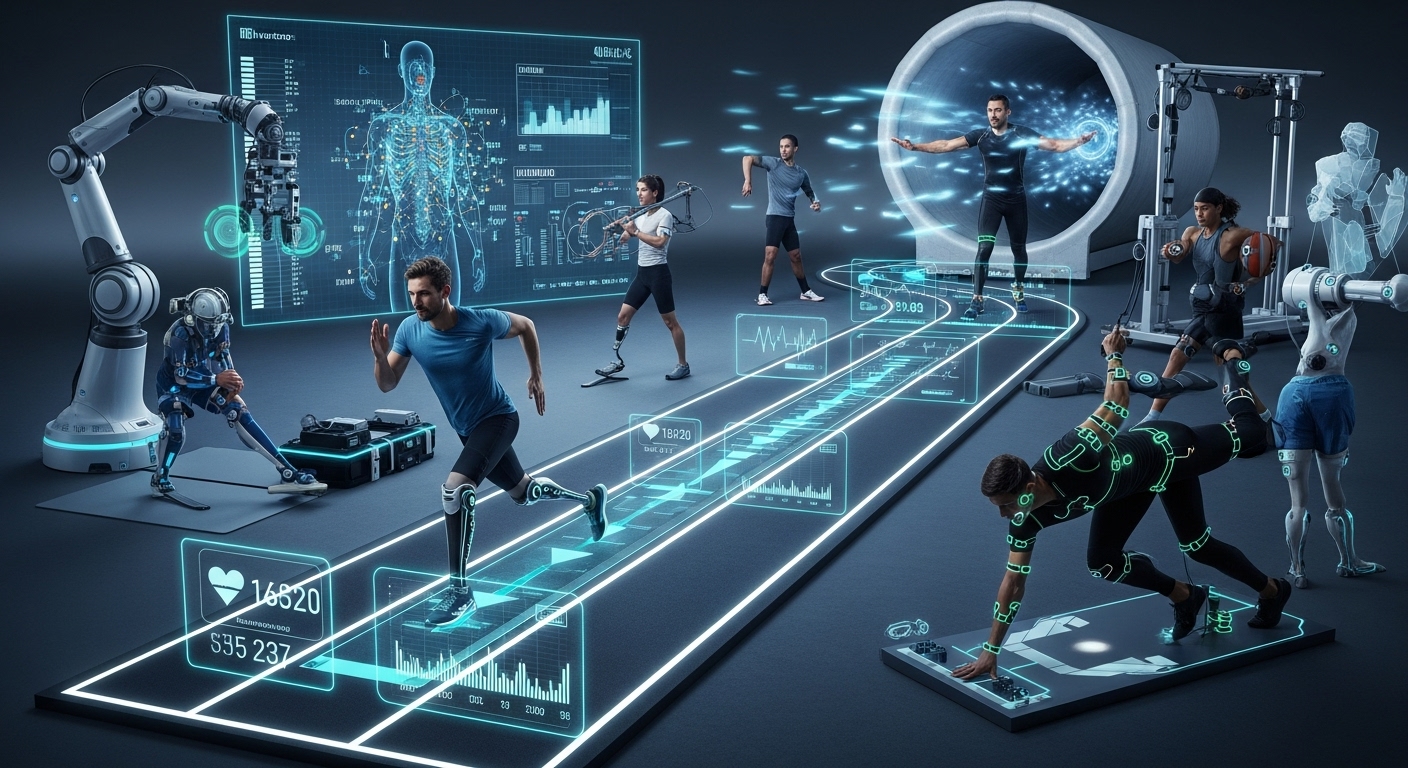
As sports continue to evolve, technology plays an ever-growing role in their development. From advances in sports equipment to data analytics, technology is changing how athletes train, how games are played, and how fans engage with their favorite teams.
In training, athletes now use advanced technology like wearables to track performance metrics such as heart rate, speed, and endurance. These devices provide valuable insights into an athlete’s physical state, helping coaches and trainers optimize their routines. Video analysis tools allow teams to review gameplay from multiple angles, improving strategies and techniques.
One of the most significant technological advancements in sports is the use of virtual reality (VR) and augmented reality (AR). VR is increasingly being used to simulate game scenarios, allowing athletes to train in a controlled yet realistic environment. Fans can also benefit from AR, as it provides immersive viewing experiences and real-time statistics during live events. Video Assistant Referees (VAR) in soccer and Hawk-Eye technology in tennis have made sports more accurate and fair, ensuring that critical decisions are made with the utmost precision.
Social media platforms like Instagram, Twitter, and YouTube have become central to how fans experience sports. Athletes use these platforms to interact directly with their fans, while sports organizations promote events and share behind-the-scenes content. Streaming services like Twitch and YouTube allow fans to watch live games, access highlights, and even participate in interactive experiences, making sports more accessible than ever before.
The Future of Sports
Looking ahead, the future of sports is bright and filled with potential. The integration of new technologies will continue to shape the way we experience and play sports. Esports, which involves competitive video gaming, has already grown into a multi-billion-dollar industry. It is expected to keep expanding, attracting younger audiences and integrating with traditional sports in ways never seen before.
Sustainability will also become a major focus in the sports industry. With growing concerns about climate change and environmental responsibility, sports organizations are increasingly looking for ways to reduce their carbon footprints. From energy-efficient stadiums to sustainable merchandise, the industry is taking steps toward a greener future.
The globalization of sports is expected to continue, with more nations embracing sports and fostering the development of local leagues and competitions. Women’s sports will also continue to grow, with more attention being paid to increasing representation and equality across all levels.
Conclusion
Sports have always had the power to inspire, entertain, and bring people together. From their humble beginnings in ancient civilizations to their current status as global industries, sports have been at the forefront of cultural, social, and technological change.