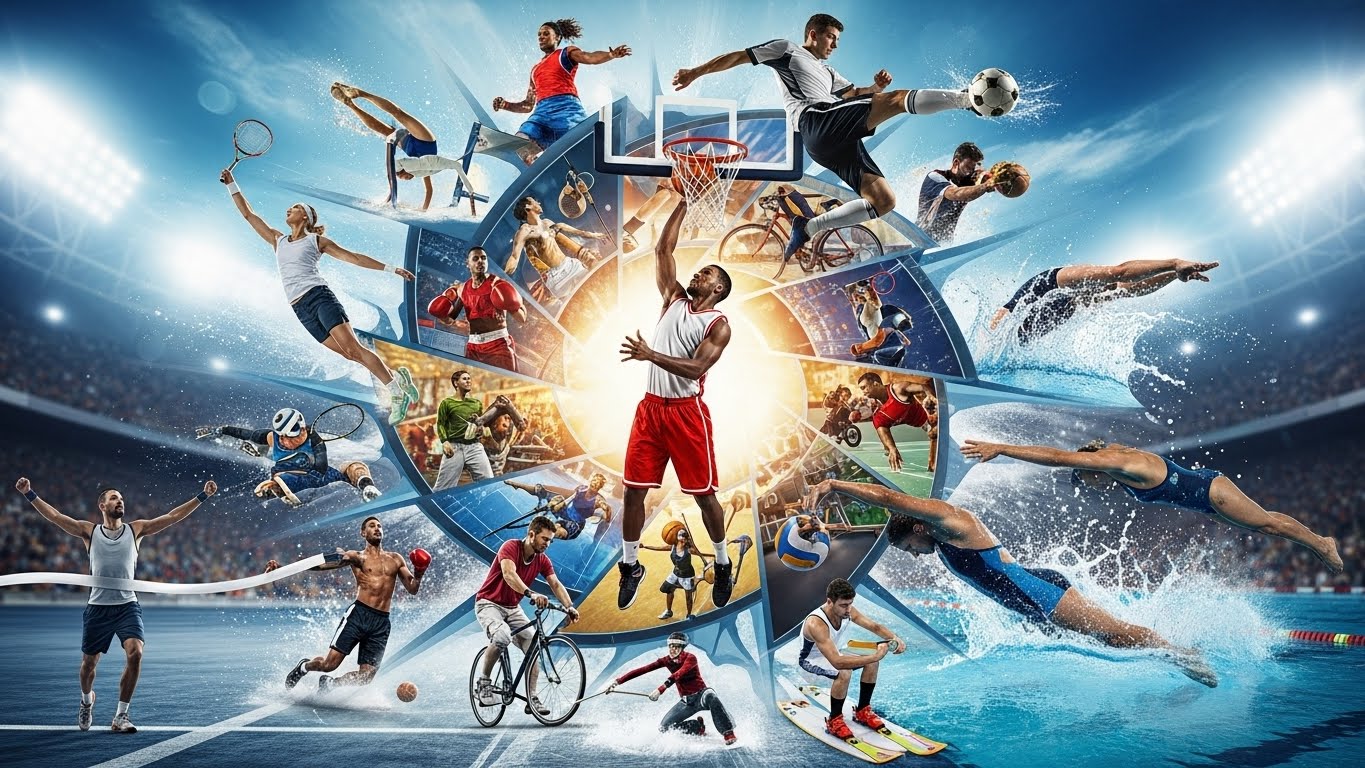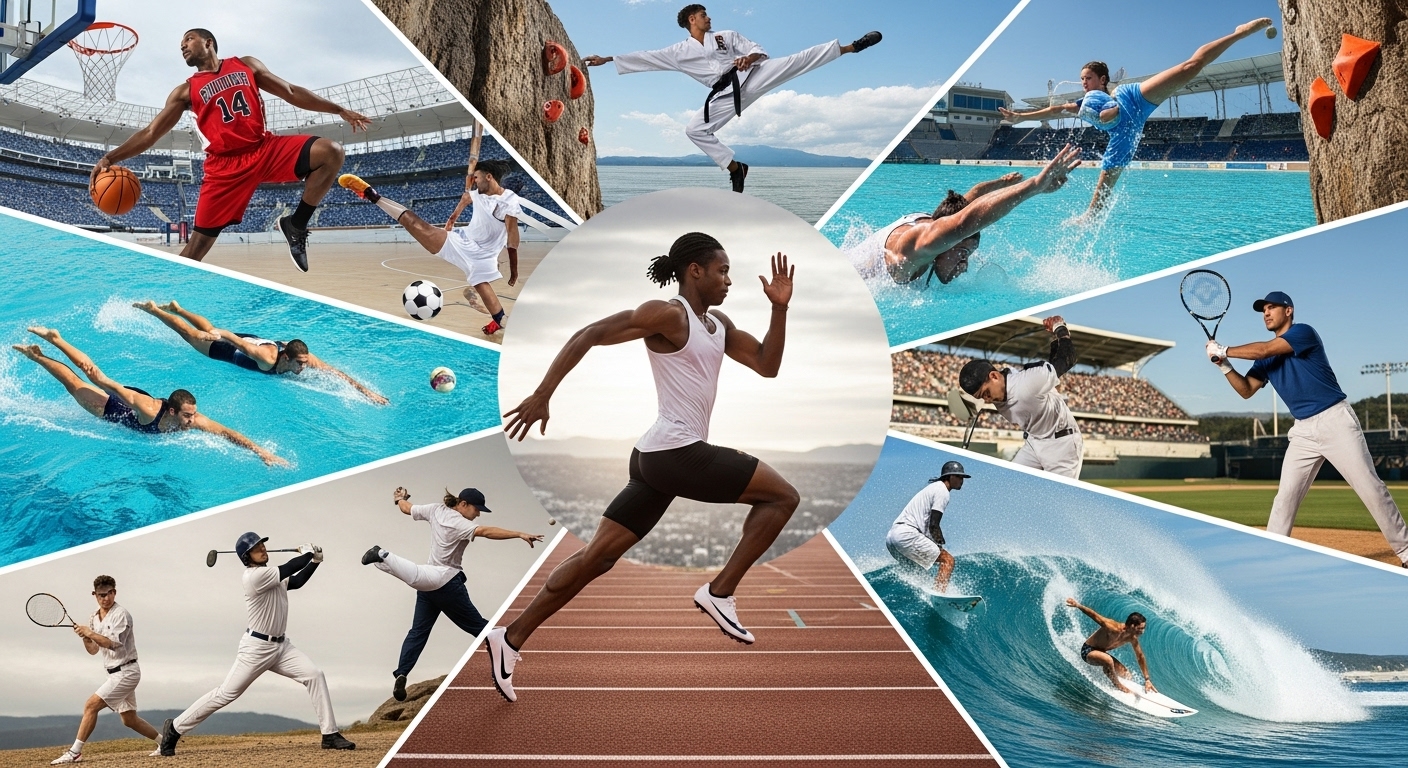
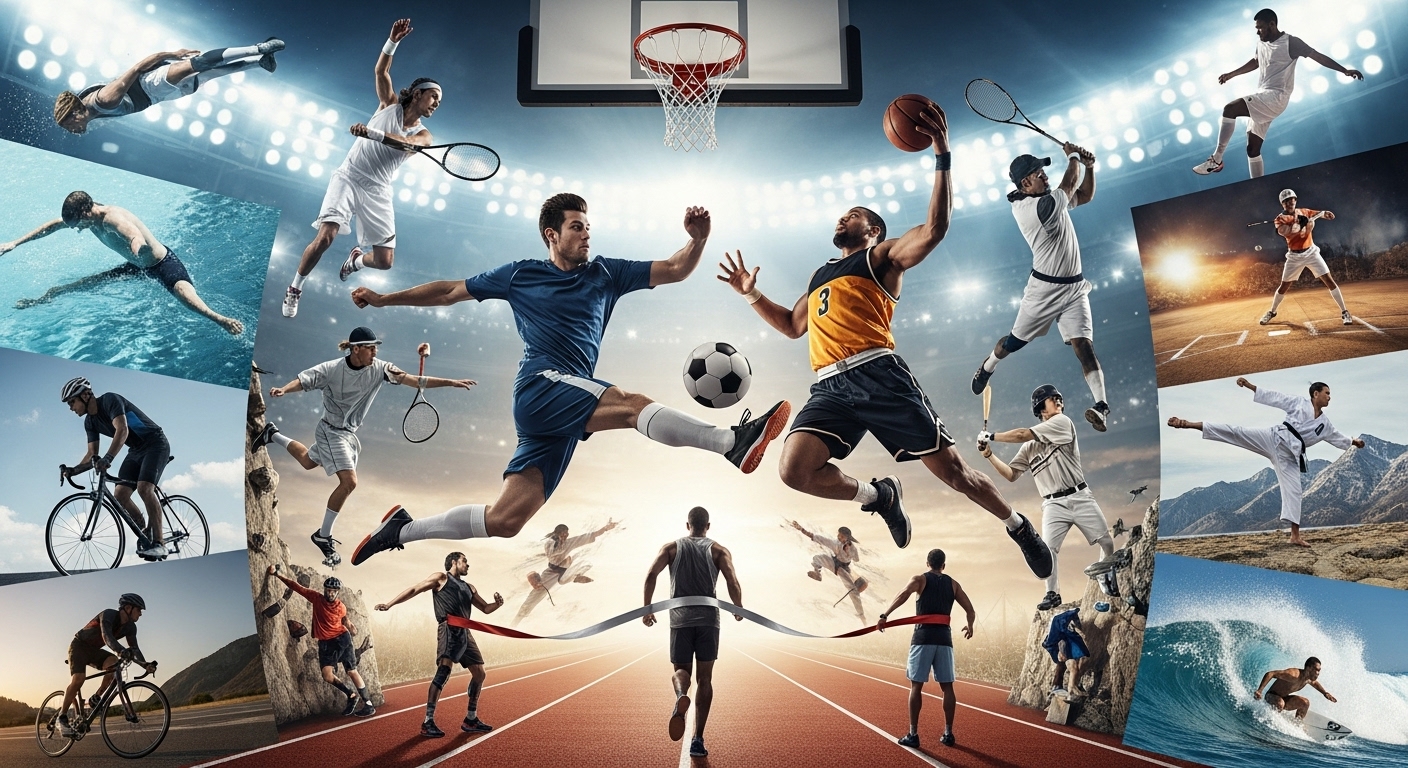
Sports have been an integral part of human culture for centuries. From ancient times to the modern era, sports have not only served as a source of entertainment but also as a powerful tool for social bonding, physical fitness, and personal development. The world of sports is vast and diverse, encompassing countless games, disciplines, and competitions, each with its unique rules, history, and fan base. In this article, we will explore the significance of sports, its various forms, the impact on society, and the personal benefits it offers to individuals.
The History and Evolution of Sports
The history of sports is as old as civilization itself. Ancient societies engaged in physical contests not only for leisure but also for preparation for war, religious rituals, and community bonding. The earliest records of organized sports can be traced back to civilizations like Mesopotamia, Ancient Egypt, and Greece. The Greeks, in particular, played a pivotal role in shaping modern sports through events such as the Olympic Games, which began in 776 BC. These games celebrated athletic prowess and brought together participants from different city-states, fostering a sense of unity and competition.
Over time, sports evolved with societies. The Roman Empire introduced gladiatorial contests, which emphasized spectacle and entertainment, while medieval Europe witnessed the rise of jousting and archery tournaments. The Industrial Revolution brought significant changes to sports, making them more organized and accessible to the general public. Clubs, leagues, and formal competitions emerged, laying the foundation for the structured sports world we know today.
Types of Sports
Sports can be broadly categorized into several types, each appealing to different interests, skills, and physical abilities.
Team Sports
Team sports involve groups of players working together to achieve a common goal. Popular examples include football, basketball, cricket, rugby, and hockey. These sports not only test physical abilities but also emphasize teamwork, strategy, and communication. Team sports foster a sense of camaraderie and collective responsibility, teaching participants how to collaborate and support each other under pressure.
Individual Sports
Individual sports focus on personal performance and competition. Examples include tennis, swimming, boxing, athletics, and gymnastics. Success in individual sports relies heavily on personal discipline, mental strength, and self-motivation. Athletes often dedicate countless hours to perfecting their skills, demonstrating the power of focus and perseverance.
Adventure and Extreme Sports
Adventure and extreme sports appeal to thrill-seekers and adrenaline enthusiasts. Activities like rock climbing, skydiving, surfing, and snowboarding push physical limits and often involve risk. These sports test courage, resilience, and decision-making under challenging conditions. They also foster a deep connection with nature and the environment.
Mind and Precision Sports
Some sports emphasize mental acuity, precision, and strategy over physical strength. Chess, archery, shooting, and golf are examples of sports that require concentration, planning, and patience. Success in these disciplines highlights the importance of mental sharpness and emotional control in achieving excellence.
The Social Impact of Sports
Sports have a profound impact on society, influencing cultural norms, social interactions, and even politics.
Building Communities
Sports bring people together. From local clubs to international tournaments, they create opportunities for social interaction and community building. Fans gather to watch games, celebrate victories, and share their passion. These interactions foster a sense of belonging and strengthen social bonds.
Promoting Equality
Sports can be a powerful tool for promoting equality and breaking down social barriers. Initiatives to include women, people with disabilities, and marginalized groups in sports have highlighted the importance of inclusion. Events like the Paralympics and Women’s World Cup showcase talent and dedication, inspiring millions and challenging societal stereotypes.
Economic Influence
Sports contribute significantly to the global economy. Professional leagues, sponsorships, merchandise sales, and tourism generate billions of dollars annually. Major events like the Olympics and FIFA World Cup create employment, stimulate local businesses, and promote international trade. The economic ripple effect of sports highlights its importance beyond mere entertainment.
Diplomacy and International Relations
Sports often play a role in international diplomacy. Friendly competitions can foster goodwill between nations, while sporting events provide a platform for countries to showcase their culture and achievements. Instances of athletes acting as ambassadors or participating in peace-promoting initiatives underline the unifying power of sports.
Physical and Mental Benefits of Sports
Engaging in sports offers a wide range of physical and mental benefits, contributing to overall well-being.
Physical Fitness
Regular participation in sports enhances cardiovascular health, strengthens muscles and bones, improves flexibility, and boosts overall stamina. Activities like running, swimming, and cycling help maintain a healthy weight and reduce the risk of chronic diseases. Team sports also improve coordination, agility, and balance.
Mental Health
Sports are excellent for mental health. Physical activity releases endorphins, which reduce stress and anxiety while enhancing mood. Participation in sports also fosters resilience, focus, and discipline, helping individuals manage challenges in other areas of life. Moreover, sports provide a sense of achievement and boost self-esteem, especially when goals are met through dedication and hard work.
Cognitive Benefits
Many sports improve cognitive abilities, including memory, strategic thinking, and problem-solving skills. Activities like chess, fencing, or martial arts require mental agility and quick decision-making. Even physical sports like basketball and football demand rapid analysis of situations, tactical thinking, and anticipation of opponents’ moves.
The Role of Sports in Education
Sports play a crucial role in education, both formally and informally. Schools and universities often include sports in their curricula to promote physical health, teamwork, and leadership skills. Participation in sports teaches students discipline, time management, and goal-setting. In many cases, sports serve as a pathway for scholarships and higher education opportunities, enabling talented individuals to pursue academic and athletic excellence simultaneously.
Famous Sporting Events Around the World
Certain sporting events have transcended national boundaries and captured global attention.
The Olympics
The Olympic Games are the pinnacle of athletic achievement. Held every four years, they bring together athletes from around the world to compete in a wide range of sports. The Olympics celebrate unity, excellence, and the human spirit. The Games have evolved to include both summer and winter events, offering a platform for showcasing talent across diverse disciplines.
FIFA World Cup
Football, or soccer, is the most popular sport globally, and the FIFA World Cup is its most prestigious tournament. Held every four years, the World Cup draws billions of viewers worldwide. It fosters national pride, intense competition, and unforgettable moments that become part of sporting history.
Wimbledon and Grand Slam Tournaments
Tennis enthusiasts eagerly follow the Grand Slam tournaments, including Wimbledon, the US Open, the Australian Open, and the French Open. These events attract the world’s top players and showcase incredible skill, endurance, and strategy. Wimbledon, with its rich history and unique traditions, remains one of the most iconic sporting events.
Super Bowl and NBA Finals
In the United States, the Super Bowl and NBA Finals are major highlights in the sporting calendar. These events combine high-level competition with entertainment, drawing millions of viewers and generating significant economic activity. They are also cultural phenomena, influencing fashion, advertising, and social trends.
The Influence of Sports Icons
Athletes often become cultural icons, inspiring millions through their talent, dedication, and personal stories. Legends like Muhammad Ali, Serena Williams, Lionel Messi, and Usain Bolt have transcended their respective sports, becoming symbols of perseverance, courage, and excellence. Sports icons influence fashion, philanthropy, and social causes, highlighting the broader societal impact of sports.
Technology and Sports
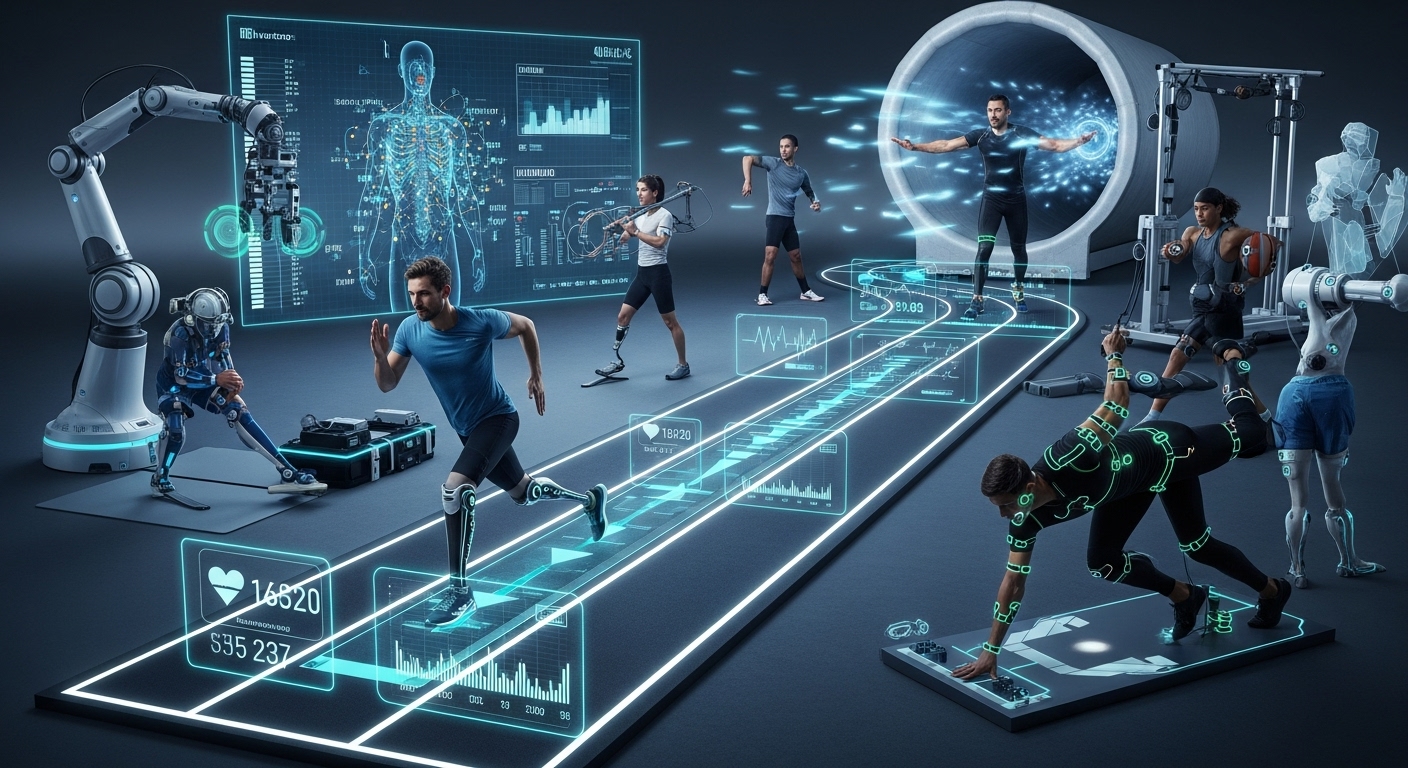
Technology has revolutionized sports in multiple ways, from training and performance analysis to fan engagement. Wearable devices, video analysis, and artificial intelligence help athletes optimize their training and prevent injuries. Technology also enhances the spectator experience through live streaming, virtual reality, and real-time statistics. Furthermore, innovations in sports equipment improve safety and performance, allowing athletes to push the boundaries of human potential.
Challenges in the World of Sports
Despite its many benefits, sports face challenges that need attention. Issues like doping, corruption, and match-fixing undermine the integrity of competitions. Inequalities in funding and opportunities can limit participation for certain groups. Additionally, the intense pressure to perform can lead to mental health issues among professional athletes. Addressing these challenges requires a combination of regulation, education, and ethical commitment from all stakeholders.
Sports and Cultural Identity
Sports often reflect cultural identity and values. Different countries and regions have sports that hold historical and social significance. For example, cricket is deeply ingrained in South Asian culture, while ice hockey holds prominence in Canada. Sporting traditions contribute to a sense of pride and belonging, connecting people to their heritage and community.
The Future of Sports
The future of sports is bright, with evolving trends and innovations shaping its trajectory. Esports, or competitive video gaming, has emerged as a new dimension, attracting millions of players and viewers worldwide. Inclusivity and accessibility initiatives are expanding opportunities for women, people with disabilities, and marginalized groups. Sustainability is becoming a priority, with eco-friendly stadiums, renewable energy, and reduced carbon footprints gaining attention. The fusion of technology, inclusivity, and environmental awareness will define the next era of sports.
Conclusion
Sports are more than just games; they are a reflection of human spirit, culture, and ambition. They unite communities, inspire individuals, and drive social, economic, and cultural progress. Whether it is a casual game among friends, a local tournament, or a global championship, sports have the power to teach life lessons, promote health, and foster unity. In a world that often feels divided, sports remind us of the shared values of teamwork, perseverance, and fair play. Engaging in sports, appreciating its history, and celebrating its heroes enrich our lives and connect us to the broader human experience.
The world of sports continues to evolve, offering endless opportunities for excitement, growth, and inspiration. It invites everyone, regardless of age, background, or skill level, to participate, watch, and be a part of something larger than themselves. Through sports, humanity celebrates its strength, creativity, and unyielding spirit.